New Century Healthy Diet and Weight Loss
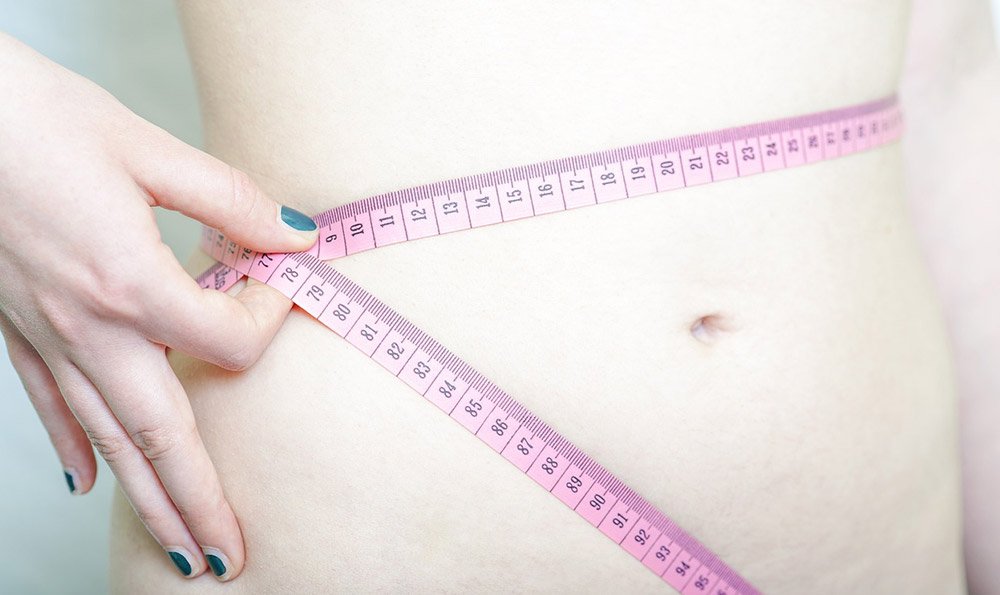
In recent years, the topic of healthy diet and weight loss has become increasingly important, as people are becoming more conscious of the impact of their diet on their overall health. In this article, we will explore the key aspects of a healthy diet, as well as the benefits of maintaining a healthy weight. By understanding these principles, individuals can make informed choices and adopt a healthier lifestyle.
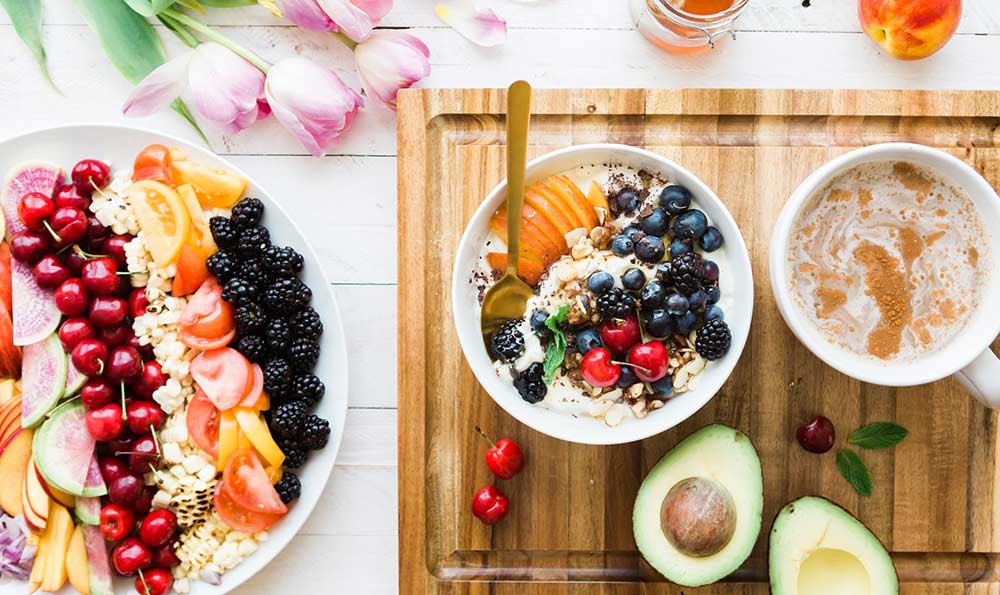
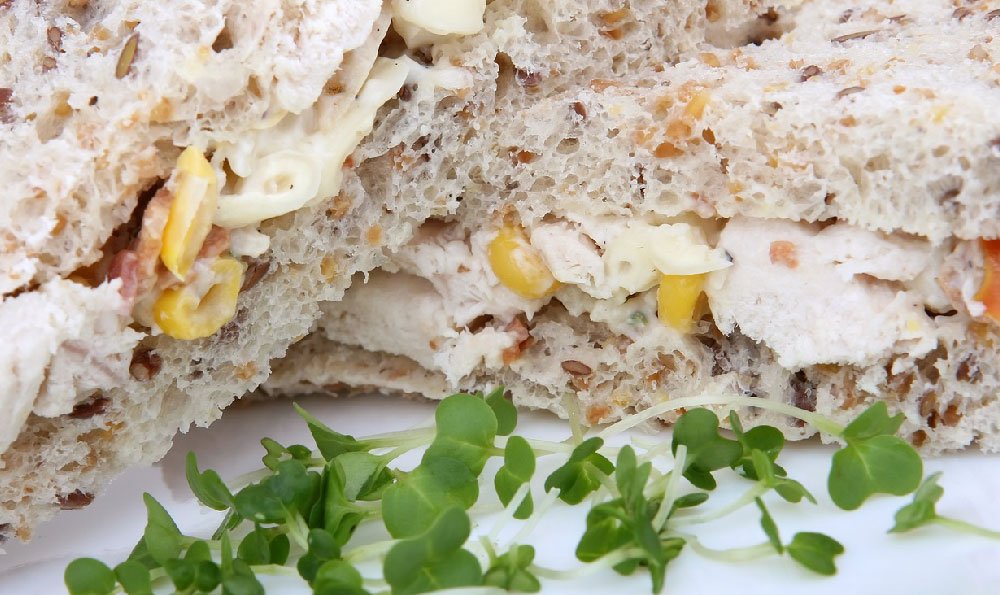
To begin with, a healthy diet is defined as a balanced and varied eating plan that provides all the necessary nutrients for the body to function properly. It includes a variety of fruits, vegetables, whole grains, lean proteins, and healthy fats. These foods are rich in vitamins, minerals, and antioxidants, which promote good health and reduce the risk of chronic diseases such as heart disease and diabetes.
Furthermore, a healthy diet should also be low in added sugars, unhealthy fats, and sodium. Excessive intake of these components has been linked to weight gain, obesity, and various health problems. By minimizing their consumption, individuals can maintain a healthy weight and reduce the risk of developing chronic diseases.
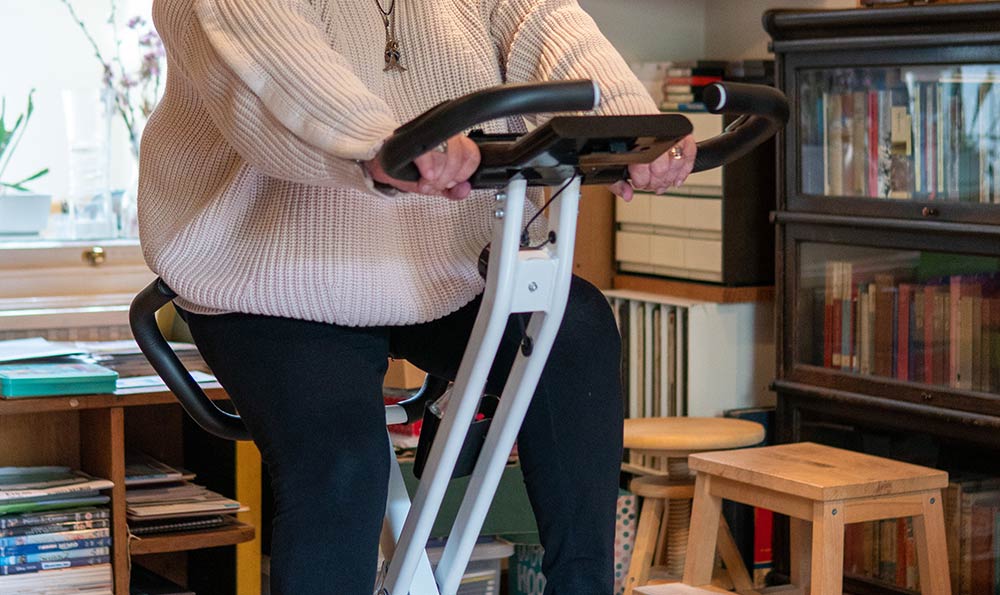
In addition to a healthy diet, regular physical activity is crucial for maintaining a healthy weight. Exercise not only burns calories, but it also helps build muscle and increase metabolism. By incorporating regular physical activity into their daily routine, individuals can achieve weight loss and improve their overall health.
Another key aspect of a healthy diet for weight loss is portion control. It is important to eat appropriate portion sizes to avoid overeating and maintain a healthy weight. This can be achieved by using smaller plates, measuring food portions, and being mindful of hunger and fullness cues.
Moreover, it is important to note that crash diets or extreme restrictions in food intake are not recommended for long-term weight loss. These approaches can result in nutrient deficiencies, muscle loss, and a slowed metabolism. Instead, gradual and sustainable weight loss should be the goal, achieved through a combination of a healthy, balanced diet and regular physical activity.
Additionally, it is worth mentioning that a healthy diet and weight loss are not only beneficial for physical health but also for mental well-being. Studies have shown that a healthy lifestyle can improve mood, reduce stress, and enhance cognitive function. By adopting a healthy diet and maintaining a healthy weight, individuals can improve their overall quality of life.
In conclusion, a healthy diet and weight loss are essential for good health. By following a balanced and varied eating plan, individuals can obtain all the necessary nutrients while maintaining a healthy weight. Regular physical activity, portion control, and a gradual approach to weight loss are also important factors to consider. By making these lifestyle changes, individuals can improve their overall well-being and enjoy the benefits of a healthy and fulfilling life.
Healthy Eating and Weight Loss
Healthy eating plays a crucial role in weight loss and maintaining a healthy lifestyle. It is important to have a balanced diet that provides all the necessary nutrients for the body while keeping calorie intake in check. This article will provide objective and factual information on the importance of healthy eating for weight loss.

Firstly, a balanced diet includes a variety of food groups such as fruits, vegetables, whole grains, lean proteins, and healthy fats. These food groups provide essential vitamins, minerals, and fiber that promote overall health. Incorporating a range of nutrient-rich foods into one's diet helps to ensure that the body receives the necessary nutrients for proper functioning.
Secondly, portion control is a key aspect of healthy eating for weight loss. It is important to be mindful of the quantity of food consumed. Eating smaller portions helps to control calorie intake and prevents overeating. One effective way to manage portion sizes is by using smaller plates and bowls, which visually make the portion look larger.
Furthermore, it is essential to limit the intake of unhealthy foods high in added sugars, saturated fats, and sodium. These foods often contribute to weight gain and increase the risk of developing chronic diseases. Instead, opting for healthier alternatives can make a significant difference. For example, replacing sugary drinks with water or unsweetened beverages helps to reduce calorie intake.
In addition to eating a balanced diet, regular physical activity is crucial for weight loss. Exercise not only burns calories but also boosts metabolism and improves overall fitness. Incorporating activities such as walking, jogging, swimming, or cycling into one's routine can have a positive impact on weight management.
Moreover, it is important to be aware of emotional eating and find healthy ways to cope with stress or negative emotions. Many people turn to food for comfort, which can lead to weight gain. Finding alternative activities like yoga, meditation, or engaging in hobbies can help to manage emotional well-being without resorting to food.
Furthermore, staying hydrated is essential for weight loss and overall health. Drinking an adequate amount of water helps to control hunger and cravings, as well as supports digestion and metabolism. It is recommended to drink at least eight glasses of water per day.
Additionally, it is advisable to plan meals in advance to avoid unhealthy food choices or impulsive eating. Planning meals ahead allows for healthier options to be readily available and reduces the temptation to grab convenient but unhealthy snacks.
Moreover, it is important to practice mindful eating. This involves paying attention to the flavors, smells, and textures of food, as well as eating slowly and savoring each bite. Mindful eating helps to prevent overeating and allows for a better connection with the body's hunger and fullness cues.
Lastly, it is important to remember that healthy weight loss is a gradual process. It is not about quick fixes or extreme diets but rather establishing sustainable habits. Setting realistic goals and making gradual changes to one's eating habits is key to long-term success.
In conclusion, adopting a healthy eating plan is essential for weight loss and overall well-being. By incorporating a balanced diet, managing portion sizes, being mindful of food choices, engaging in regular physical activity, and addressing emotional eating, individuals can achieve and maintain a healthy weight.
健康饮食不运动可以减肥吗
在当今社会,减肥成为了很多人的追求目标。人们经常思考如何通过改变饮食习惯来减肥,而不必进行大量的运动。饮食是否足以达到减肥的目的,这是一个备受争议的问题。本文将客观、清晰地探讨这个问题,并帮助读者更好地了解健康饮食和运动之间的关系。
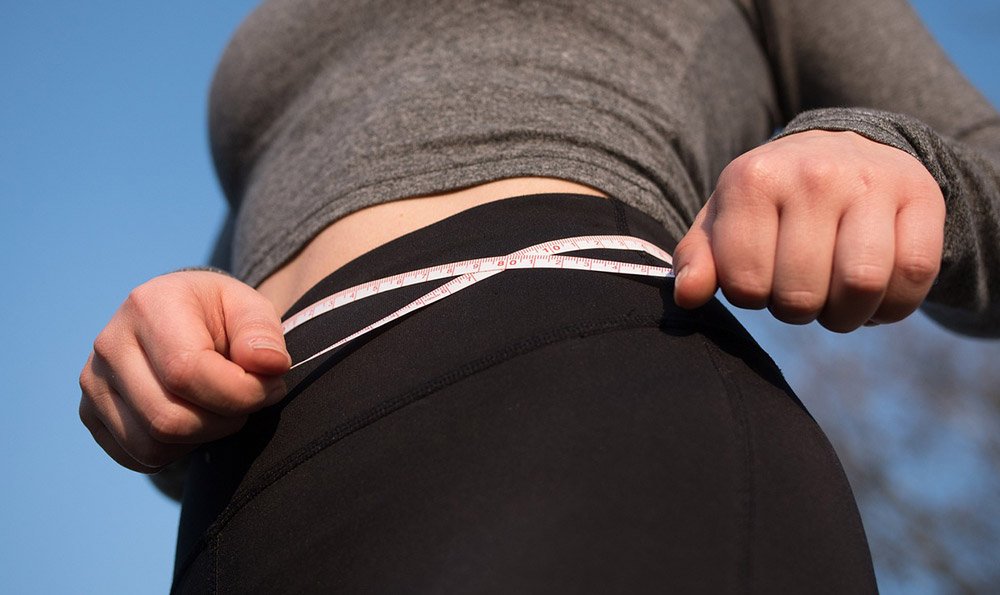
让我们来看一下健康饮食对减肥的影响。饮食是人体所需营养的重要来源,合理的饮食搭配可以帮助人们维持健康的体重。一个健康的饮食应该包含适量的蛋白质、碳水化合物、脂肪和纤维。蛋白质可以帮助人们增加饱腹感,减少进食的量;碳水化合物可以提供能量,但应该选择低GI(血糖指数)的食物,以避免产生过多的脂肪;脂肪是人体必需的,但应以健康的脂肪为主,如橄榄油和鱼油;纤维可以促进消化,避免便秘等问题。通过控制饮食摄入量和合理选择食物,人们可以减少热量摄入,从而达到减肥的目的。
饮食减肥并不意味着不进行运动。运动在减肥过程中也起着重要的作用。健身教练们普遍认为,饮食与运动相结合可以取得更好的减肥效果。运动可以增加人体的代谢率,促进脂肪燃烧,加速减肥的进程。运动还可以提高肌肉的含量,增加基础代谢率,即在休息状态下消耗的热量。通过进行适当的有氧运动,如慢跑、游泳或骑自行车,人们可以增加热量消耗,进一步促进减肥效果。
运动可以改善身体的形态和线条。只通过饮食减肥,很难达到健美的身体比例。运动可以塑造身体的曲线,使人获得更紧实的身材。适当的运动还可以增强心肺功能,提高人体的耐力和抵抗力,改善整体健康状况。
饮食和运动的比重在减肥过程中是可以调整的。根据个人的情况和需求,可以根据实际情况进行分配。对于一些身体情况较为特殊的人群,如肥胖症患者或有运动障碍的人群,重点放在饮食上可能更为合适。而对于那些已经健康并且能够进行运动的人群,饮食和运动的结合可能是更好的选择。
健康饮食和运动在减肥过程中都很重要。饮食控制可以通过减少热量摄入和选择健康的食物来实现。运动可以提高代谢率,增加热量消耗,并改善身体形态。选择合适的饮食和运动结合方式,可以取得更好的减肥效果,同时也能够提高身体的健康水平。无论是饮食还是运动,都应该根据个人情况制定合理的计划,并持之以恒地坚持下去。