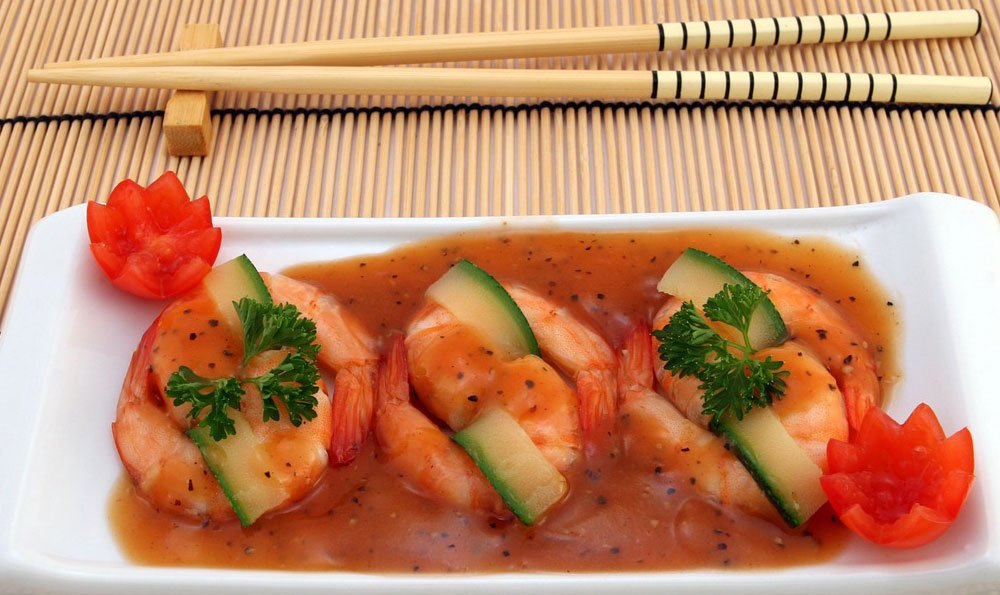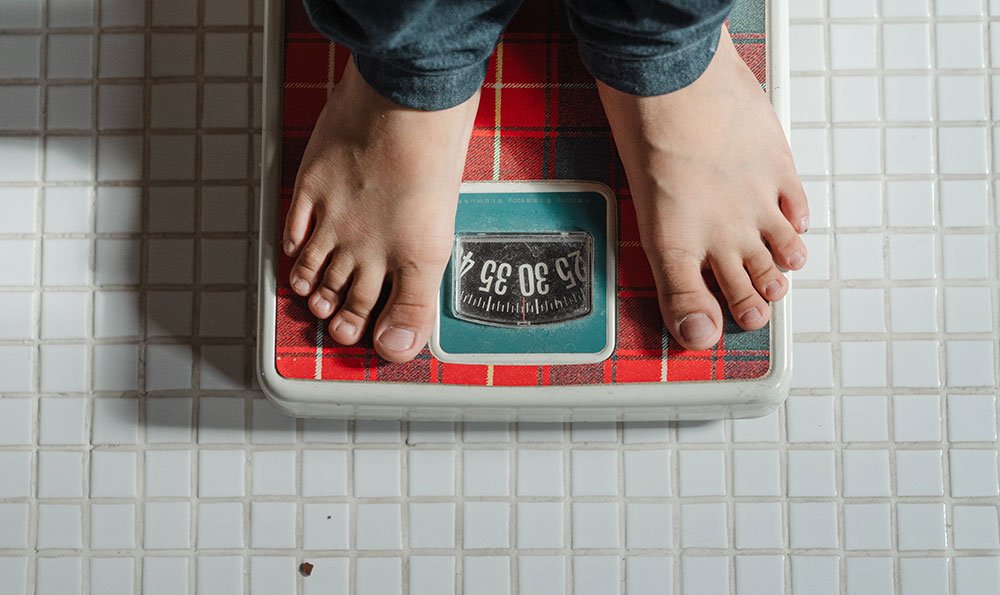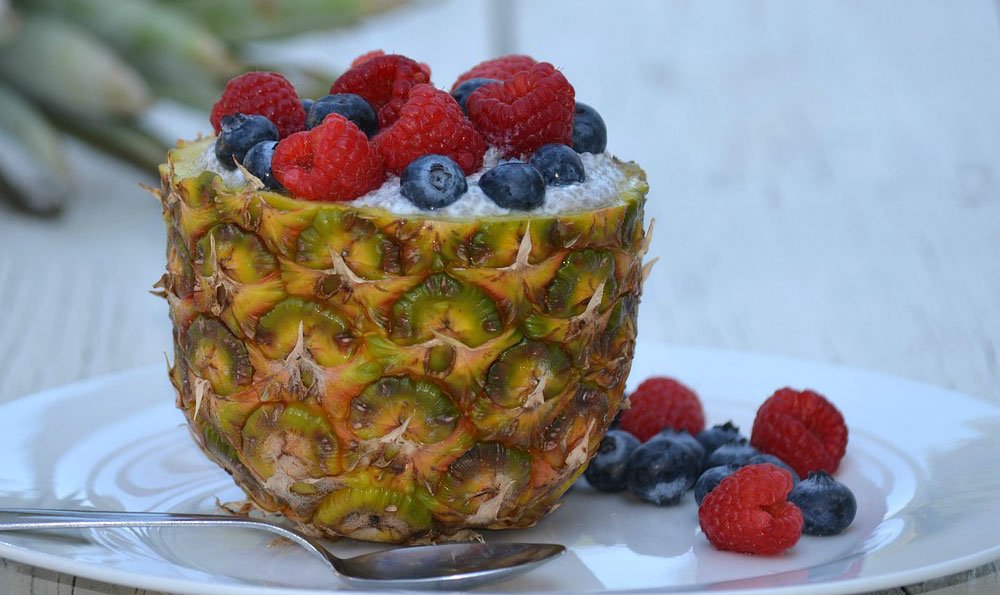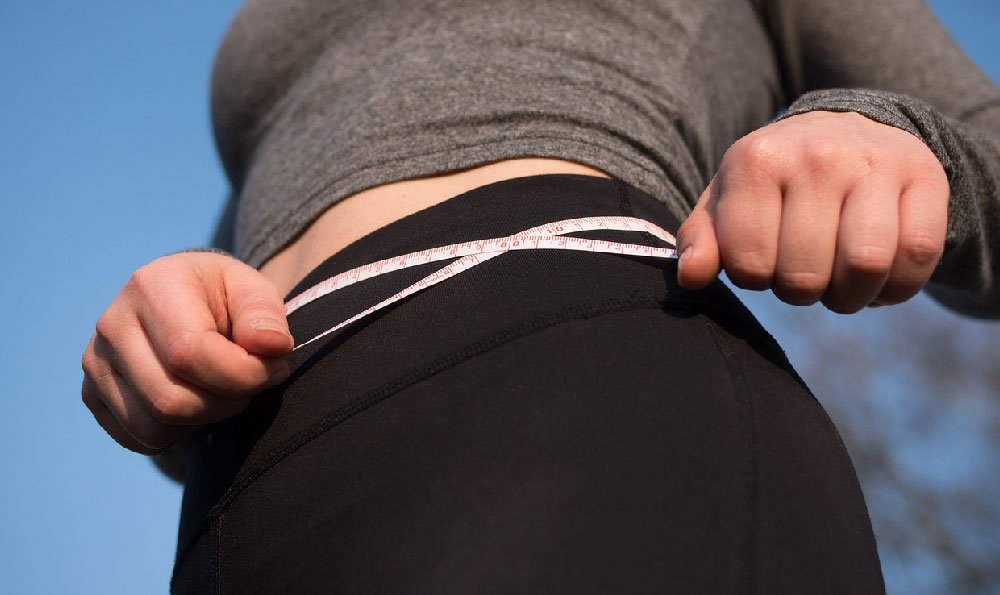
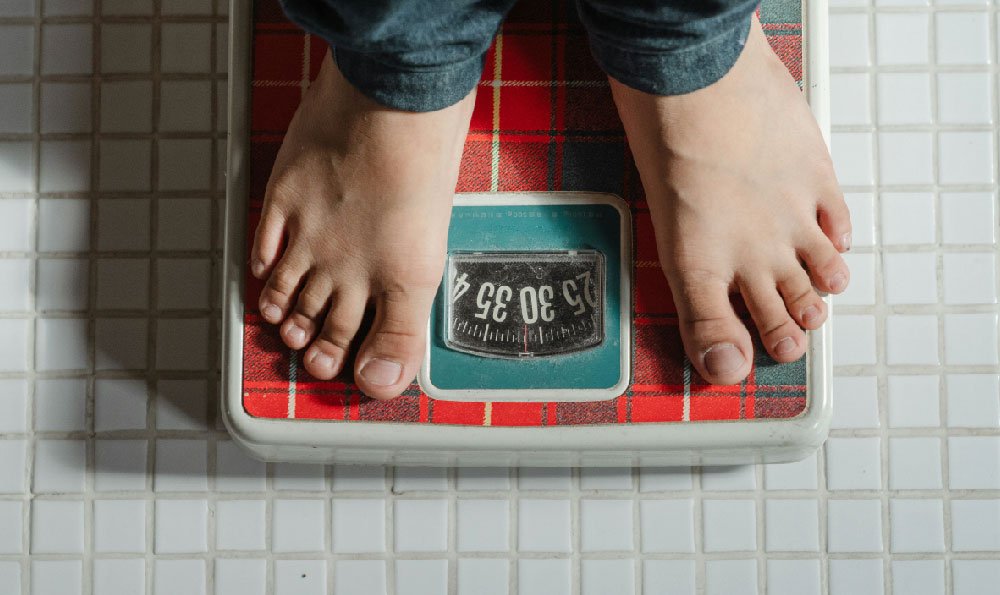
电饭煲减肥餐是指利用电饭煲烹饪健康低热量的食物以达到减肥目的的一种饮食方式。电饭煲这个厨房小工具的出现,为减肥者提供了一个方便快捷的烹饪方式,而饭前饭后的减肥原则也成为了许多人追求理想体型的选择。本文将通过定义电饭煲减肥餐、分类电饭煲减肥餐、举例电饭煲减肥餐以及比较电饭煲减肥餐与其他减肥方法的优势等方式,为读者全面介绍电饭煲减肥餐 饭前饭后减肥的相关知识。
一、定义电饭煲减肥餐
电饭煲减肥餐是指通过准确控制烹饪时间和温度,利用电饭煲烹饪低热量、高纤维、均衡营养的食物,达到健康减肥的饮食方式。借助电饭煲减肥餐,人们可以更加方便地控制每餐的热量摄入,从而实现减肥的目标。
举例:
1. 电饭煲减肥餐的典型例子是以蔬菜和瘦肉为主料的蒸菜,这种菜肴制作简单,营养丰富,热量低,能满足身体所需的营养,同时避免高热量食物的摄入。
2. 另外一个例子是利用电饭煲煮粥,添加适量的蔬菜和豆类,制作成营养丰富、低热量的粥,既能充饥,又能减肥。
二、分类电饭煲减肥餐
根据烹饪方式和成分的不同,电饭煲减肥餐可以分为蒸餐、煮餐和煮粥等不同类型。蒸餐以蔬菜和瘦肉为主料,烹饪时间较短,能够保留食材的原汁原味,使食物更加健康。煮餐多采用高纤维的食材,如蔬菜、豆类等,烹饪时间较长,能使食材更加软糯可口。煮粥则以谷类为主,添加适量的蔬菜和肉类,既能保持粥的口感,又能保证营养的摄入。
比较:
与其他减肥方法相比,电饭煲减肥餐具有一些独特的优势。电饭煲减肥餐可以保持食材的营养成分,不会因为烹饪方式而造成营养流失。电饭煲减肥餐的烹饪时间和温度可以精确控制,避免了过度加热和油炸等高热量烹饪方式的使用,减少了摄入热量的同时保证了食物的口感和营养。电饭煲减肥餐的制作过程相对简单,不需要太多烹饪技巧,适合广大减肥者使用。
电饭煲减肥餐是一种方便、健康、低热量的减肥饮食方式。通过定义、分类、举例和比较等方法,本文全面介绍了电饭煲减肥餐 饭前饭后减肥的相关知识。希望读者可以通过掌握电饭煲减肥餐的原理和制作技巧,实现自己的减肥目标,拥有健康美丽的身体。
饭前饭后减肥
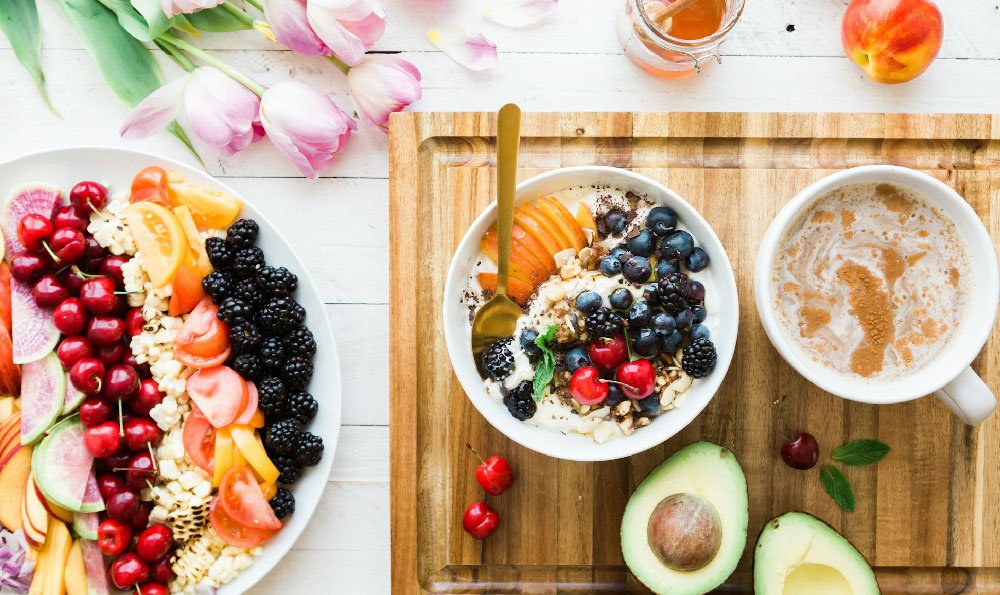
在追求健康和美丽的现代社会,减肥成为了很多人的共同目标。而其中一个备受关注的方法就是“饭前饭后减肥”。本文将通过定义、分类、举例和比较等方法,客观、专业、清晰和系统地阐述“饭前饭后减肥”的相关知识。
一、定义
所谓“饭前饭后减肥”,即指在饭前或饭后采取一些合理的饮食措施,以实现减肥的目的。这种方法通过控制食物的摄入时间和种类,达到减少热量摄入、促进新陈代谢、增加饱腹感等效果。
二、分类
根据实施的时间点不同,饭前饭后减肥可以分为两类:饭前减肥和饭后减肥。
1.饭前减肥
饭前减肥是指在进餐之前的一段时间内采取控制饮食的措施,例如节制食量、选择低热量的食物、增加蔬菜和水果的摄入等。这样可以有效减少饭前的能量摄入,从而帮助减肥。
2.饭后减肥
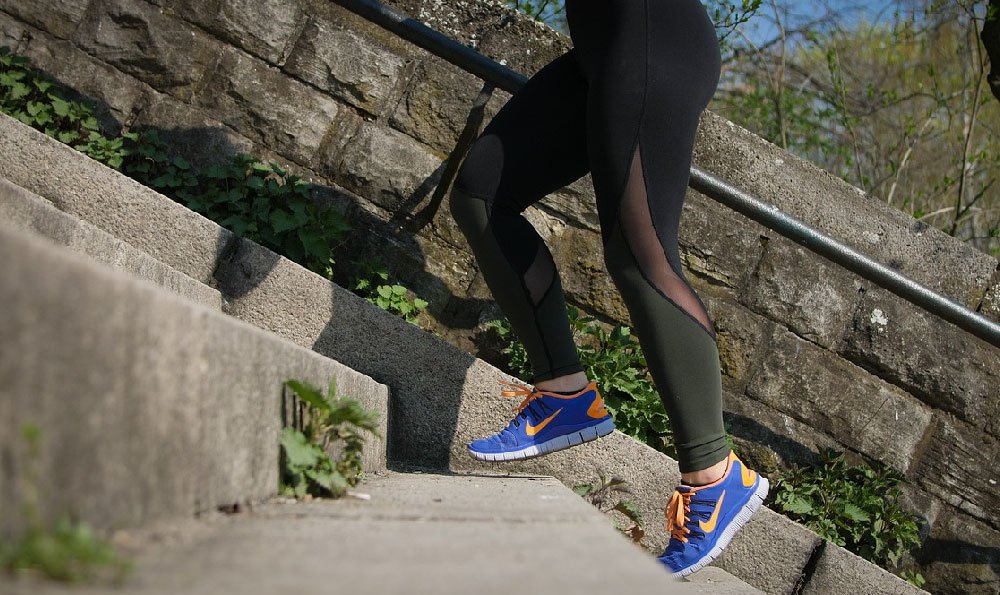
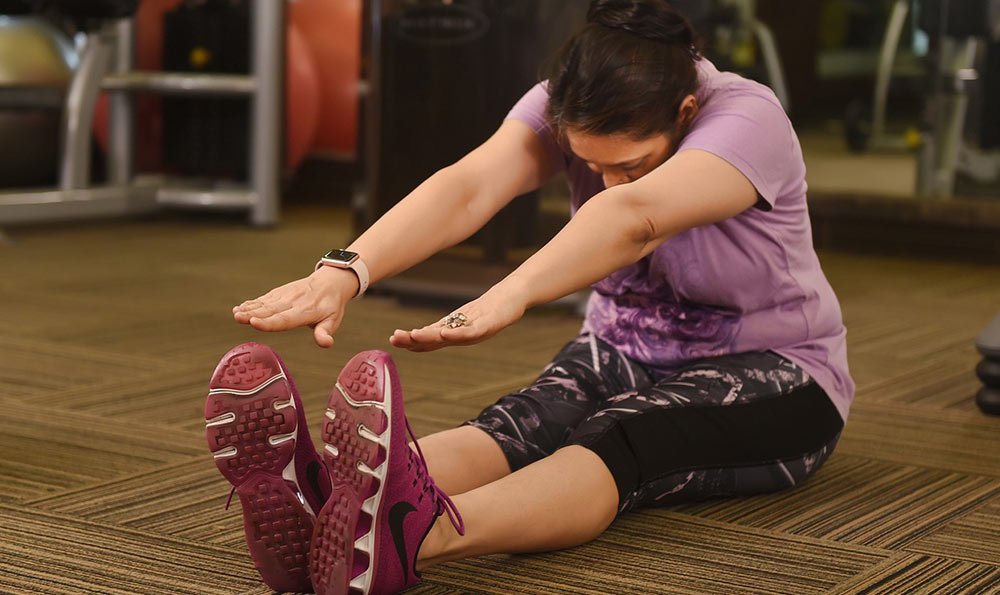
饭后减肥则是在进餐之后的一段时间内进行相关的控制措施。这可能包括控制饭后零食的摄入、适量进行运动、保持饱腹感等。通过这些措施,可以消耗多余的能量,避免能量堆积,从而实现减肥效果。
三、举例
以具体的案例来说明“饭前饭后减肥”的效果和方法。
1.饭前减肥案例
小明每天晚上饭前都喜欢吃很多零食和高热量的食物,导致体重逐渐增加。为了改变这种情况,他开始在饭前半小时进行运动,如散步或做简单的瑜伽。他也在饭前吃一小碗蔬菜沙拉来增加饱腹感。经过一个月的时间,小明发现自己的体重逐渐下降。
2.饭后减肥案例
小红每次饭后总是喜欢吃一些高糖高脂的零食,导致脂肪堆积。为了改变这个习惯,她开始在饭后半小时内进行快走或跳绳等有氧运动,以消耗额外的能量。她也在饭后喝一杯温水或无糖茶来增加饱腹感。经过一段时间,小红发现自己的身体逐渐瘦身。
四、比较
对比“饭前减肥”和“饭后减肥”的效果和适用情况,可以帮助读者选择适合自己的方式来减肥。
1.饭前减肥 vs. 饭后减肥
饭前减肥适合那些喜欢早餐丰盛和午餐丰盛的人,可以通过在饭前控制食量、选择低热量的食物等方式,减少热量的摄入。而饭后减肥适合那些喜欢晚餐丰盛和不喜欢早餐的人,可以通过在饭后进行运动、控制零食摄入等方式,消耗多余的能量。
2.效果比较
饭前减肥的效果更多体现在阻止能量摄入过多,避免能量堆积,适合控制体重的人群。而饭后减肥的效果则更多体现在消耗多余能量,促进新陈代谢,适合减脂塑形的人群。
“饭前饭后减肥”是一种利用合理的饮食措施在进餐前或进餐后实现减肥的方法。通过定义、分类、举例和比较等方法的阐述,我们可以了解到不同的减肥方式对于不同人群的适用性和效果。在选择减肥方法时,可以结合自身的习惯和需求,灵活运用“饭前饭后减肥”的原则,实现健康减肥的目标。
减少饭量减肥

在当今社会,越来越多的人追求身体健康和良好的体型。减肥成为了大众关注的焦点之一。而减少饭量减肥作为一种常见的减肥方法,受到了广大人群的关注和实践。本文将客观、专业、清晰地介绍减少饭量减肥的相关知识。
减少饭量减肥是指通过减少每餐的摄入量来达到减肥的目的。根据减少饭量的不同程度,可以将其分为三类:轻度减少饭量、中度减少饭量和重度减少饭量。
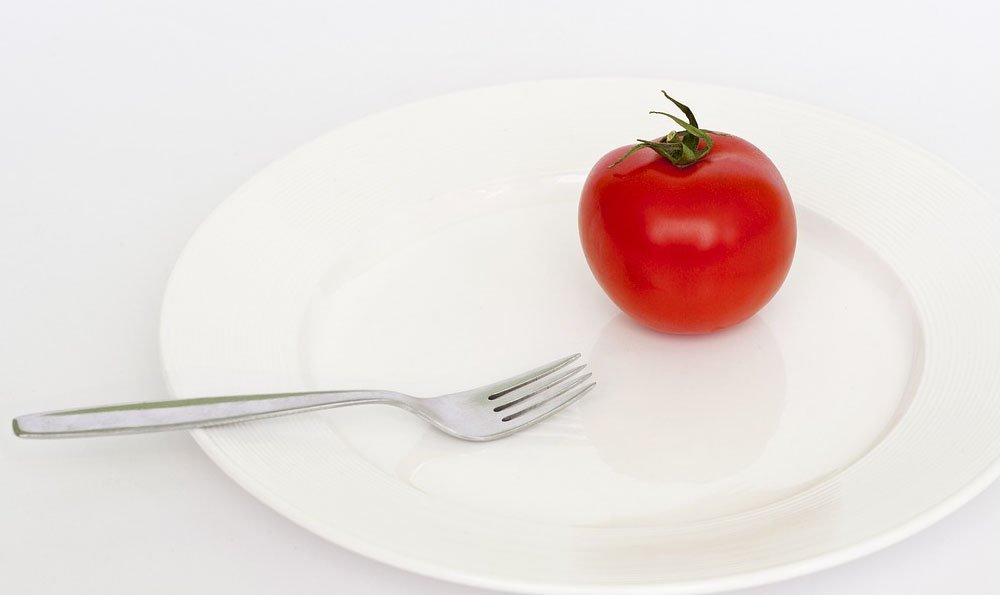
轻度减少饭量是指每餐减少少量的食物摄入,并在饭前饭后配合适量的运动。这种方法适用于那些体重稍微超标或者希望保持良好体型的人群。通过控制饭量,可以减少卡路里的摄入,从而达到减肥的效果。将正常餐量减少10%,每天仅减少100卡路里,一年下来就可减少约5公斤的体重。
中度减少饭量是指每餐减少适量的食物摄入,并配合适当的运动来增加能量消耗。这种方法适用于那些存在明显超重或肥胖问题的人群。通过减少饭量,可以进一步降低热量摄入,促进脂肪的分解和消耗。举个例子,每天减少20%的饭量,可以减少200卡路里的摄入,相当于一周减少0.2公斤的体重。
重度减少饭量是指每餐大幅度减少食物摄入,并配合有氧运动和力量训练来加速脂肪的燃烧。这种方法适用于那些需要快速减肥或者存在严重肥胖问题的人群。通过极端减少饭量,可以快速降低热量摄入,从而迅速减轻体重。每天减少30%以上的饭量,可以减少300卡路里以上的摄入,一周内减去1公斤以上的体重。
与其他减肥方法相比,减少饭量减肥具有以下优势:它相对简单易行,不需要特殊的食材或设备,适合大部分人群。减少饭量不会对身体造成负担或损害,只要控制得当,可以保持营养平衡。通过减少饭量减肥,可以培养良好的饮食习惯和控制食欲的能力,有助于长期保持健康体重。
减少饭量减肥是一种常见且有效的减肥方法。通过减少饭量,可以降低热量摄入,促进脂肪分解和消耗,从而达到减肥的效果。无论是轻度、中度还是重度减少饭量,都需要与适当的运动结合,保持营养平衡。减少饭量减肥是一种可行的方式,值得人们尝试和实践。
Reducing Food Intake for Weight Loss
Introduction:
In today's society, an increasing number of people are pursuing good health and a slim figure. Losing weight has become one of the focus areas for the general public. As a commonly used weight loss method, reducing food intake has attracted attention and practice from a wide range of people. This article aims to objectively, professionally, and clearly introduce the relevant knowledge of reducing food intake for weight loss.
Main Body:
Reducing food intake for weight loss refers to the method of achieving weight loss by reducing the amount of food consumed in each meal. According to the degree of reduction in food intake, it can be divided into three categories: mild reduction, moderate reduction, and severe reduction.
Mild reduction refers to reducing a small amount of food intake in each meal and combining it with moderate exercise before and after meals. This method is suitable for those who are slightly overweight or those who want to maintain a good body shape. By controlling food intake, calorie intake can be reduced, thereby achieving the desired weight loss effect. For example, reducing the normal meal size by 10% and reducing 100 calories per day can result in a weight loss of about 5 kilograms in a year.
Moderate reduction refers to reducing an appropriate amount of food intake in each meal and combining it with proper exercise to increase energy consumption. This method is suitable for those who are significantly overweight or obese. By reducing food intake, further reduction in calorie intake can be achieved, promoting fat breakdown and consumption. For example, reducing food intake by 20% per day can lead to a reduction of 200 calories, equivalent to a weight loss of 0.2 kilograms per week.
Severe reduction refers to a substantial reduction in food intake in each meal, combined with aerobic exercise and strength training to accelerate fat burning. This method is suitable for those who need rapid weight loss or have severe obesity problems. By drastically reducing food intake, calorie intake can be significantly reduced, resulting in rapid weight loss. For example, reducing food intake by more than 30% per day can reduce calorie intake by over 300 calories, resulting in a weight loss of over 1 kilogram in a week.
Compared with other weight loss methods, reducing food intake for weight loss has the following advantages: firstly, it is relatively simple and easy to follow, without the need for special ingredients or equipment, making it suitable for most people. Secondly, reducing food intake does not burden or harm the body. As long as it is controlled properly, a balanced diet can be maintained. Thirdly, reducing food intake for weight loss can help cultivate good eating habits and the ability to control appetite, contributing to long-term maintenance of a healthy weight.
Conclusion:
In conclusion, reducing food intake for weight loss is a common and effective weight loss method. By reducing food intake, calorie intake can be reduced, promoting fat breakdown and consumption, thus achieving weight loss. Whether it is mild, moderate, or severe reduction in food intake, it needs to be combined with appropriate exercise and maintaining a balanced diet. Reducing food intake for weight loss is a feasible method worth trying and practicing.