减肥是很多人的目标,而减肥运动是最常见也是最有效的减肥方法之一。不同的减肥运动方式有着不同的效果,本文将从定义、分类、举例和比较等方面来阐述“减肥运动效果好”的相关知识。通过本文的介绍,读者将能够了解到几种减肥运动的优势和适用场景,为选择适合自己的减肥运动提供参考。
一、有氧运动
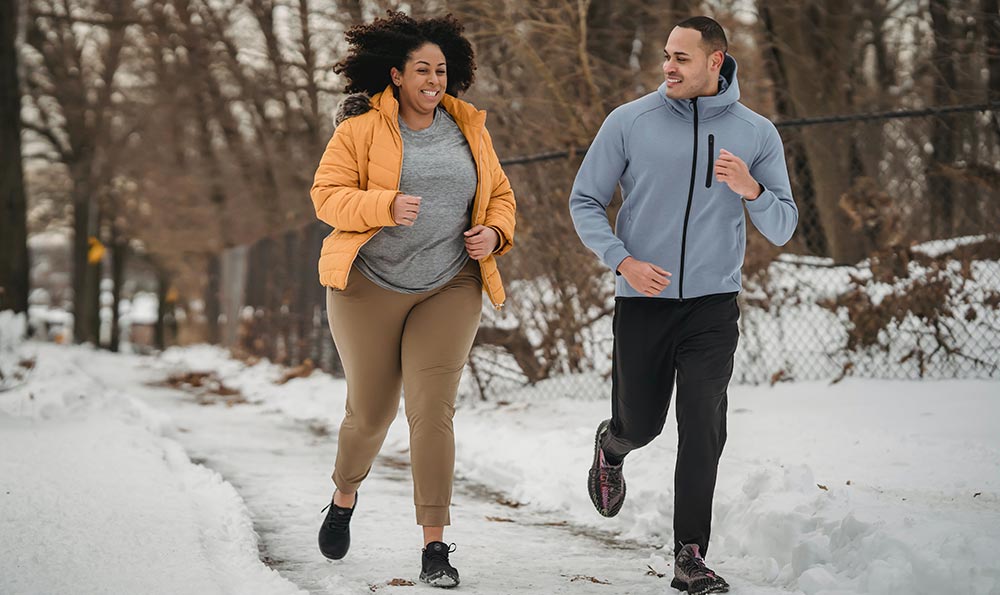
有氧运动是指通过氧气供给,使身体能够长时间保持中低强度的运动状态。这种运动可以增强心肺功能,促进脂肪燃烧,达到减肥的效果。常见的有氧运动包括跑步、骑自行车和游泳等。举个例子,跑步是一种简单且容易上手的有氧运动,可以有效消耗体内多余脂肪。与其他减肥方法相比,有氧运动减肥效果较为稳定,适合那些希望在长期运动中逐渐减肥的人群。
二、高强度间歇训练
高强度间歇训练是一种通过交替进行高强度运动和休息的方式来进行锻炼的方法。这种训练方式可以提高代谢率,增加肌肉质量,并且在训练后的恢复期间仍然消耗卡路里。举个例子,著名的Tabata训练就是一种高强度间歇训练,通过每次进行20秒的高强度运动和10秒的休息来锻炼身体。与有氧运动相比,高强度间歇训练更加紧凑高效,适合那些时间有限但仍希望达到理想减肥效果的人群。
三、力量训练
力量训练是一种通过负重训练来增加肌肉力量和肌肉质量的运动方式。虽然力量训练本身不会直接消耗大量脂肪,但增加肌肉量可以提高基础代谢率,进而促进脂肪燃烧。举个例子,举哑铃是一种常见的力量训练方式,通过重复的举起和放下哑铃来锻炼肌肉。与有氧运动和高强度间歇训练相比,力量训练的减肥效果较为间接,适合那些希望塑造身材和提高代谢率的人群。
减肥运动效果的好坏取决于个人的需求和适应情况。有氧运动适合那些希望持续长期进行减肥的人,高强度间歇训练适合时间有限但仍希望快速减肥的人,力量训练适合那些希望塑造身材和提高代谢率的人。在进行减肥运动前,建议咨询专业人士的意见,并根据自身情况选择适合的减肥运动方式。通过科学合理地进行减肥运动,相信每个人都可以获得理想的减肥效果。
减肥运动效果好吗
减肥一直是很多人关注的热门话题,尤其是在现代社会,越来越多的人意识到保持健康和塑造好身材的重要性。而减肥运动作为一种常见的减肥方法,备受关注。本文将客观、专业、清晰和系统地分析减肥运动对身体的效果,并探讨其是否具备良好的减肥效果。
减肥运动可以分为有氧运动和无氧运动两大类。有氧运动主要包括慢跑、游泳、跳绳等,可以提高心肺功能,促进脂肪燃烧,达到减肥的效果。慢跑是一种有效的有氧运动,可以酸解体内的脂肪储备,促进身体燃烧热量,从而减少体重。游泳也是一种全身性的有氧运动,可以锻炼身体各个部位的肌肉,帮助减少脂肪堆积。
无氧运动主要包括力量训练和高强度间歇训练。力量训练可以增加肌肉的质量,提高基础代谢率,从而在运动和休息状态下都能持续消耗大量热量。举重是一种常见的力量训练,通过增加肌肉质量,提高身体的代谢水平,从而在休息状态下也能燃烧更多的脂肪。高强度间歇训练可以提高代谢水平,加速脂肪的燃烧,达到减肥的效果。举例来说,踏步运动是一种高强度间歇训练,通过快速踏步和慢速踏步的交替进行,可以提高心率,促进脂肪的燃烧。
减肥运动效果并不仅仅取决于运动类型,还与个体差异和运动量有关。不同的身体构成和基础代谢率等因素会对减肥运动的效果产生影响。运动量的大小也会直接影响减肥效果。如果运动量不足,减肥效果可能会不明显。为了达到理想的减肥效果,个体应根据自身情况制定合理的减肥计划,并保持持续的运动。
减肥运动具备良好的减肥效果。无论是有氧运动还是无氧运动,都可以通过促进脂肪燃烧和提高代谢水平来达到减肥的目的。减肥运动的效果还与个体差异和运动量有关。个体应根据自身情况选择适合自己的运动类型和运动量,制定合理的减肥计划,并坚持进行下去。只有坚持合理的减肥运动,才能取得良好的减肥效果,并达到健康减肥的目标。
参考译文:
Is exercise effective for weight loss?
Introduction:
Weight loss has always been a hot topic for many people, especially in modern society where more and more people realize the importance of maintaining health and shaping a good figure. Exercise is a commonly used method to lose weight and has attracted much attention. This article will objectively, professionally, clearly, and systematically analyze the effects of exercise on the body and explore whether it has a good weight loss effect.
Body:
Exercise for weight loss can be divided into two categories: aerobic exercise and anaerobic exercise. Aerobic exercise includes jogging, swimming, and rope skipping, which can improve cardiovascular function, promote fat burning, and achieve weight loss. For example, jogging is an effective aerobic exercise that can break down fat reserves in the body and promote calorie burning, thereby reducing weight. In addition, swimming is a whole-body aerobic exercise that can exercise muscles in various parts of the body and help reduce fat accumulation.
Anaerobic exercise mainly includes strength training and high-intensity interval training. Strength training can increase muscle mass, improve the basal metabolic rate, and continuously burn a large amount of calories during exercise and rest. For example, weightlifting is a common strength training that can increase muscle mass, improve the body's metabolic level, and burn more fat even at rest. High-intensity interval training can increase the metabolic rate, accelerate fat burning, and achieve weight loss. Stepping exercise is an example of high-intensity interval training, and it can increase heart rate, promote fat burning through alternating fast and slow steps.
However, the effectiveness of weight loss exercise is not only determined by the type of exercise but also related to individual differences and exercise volume. Different body composition and basal metabolic rate factors can affect the effectiveness of weight loss exercise. At the same time, the amount of exercise directly affects the weight loss effect. If the exercise volume is insufficient, the weight loss effect may not be obvious. Therefore, in order to achieve the desired weight loss effect, individuals should develop a reasonable weight loss plan and maintain consistent exercise based on their own situation.
Conclusion:
In conclusion, exercise is effective for weight loss. Both aerobic and anaerobic exercises can achieve weight loss by promoting fat burning and increasing metabolic rate. However, the effectiveness of weight loss exercise is also related to individual differences and exercise volume. Individuals should choose suitable types and amounts of exercise based on their own circumstances, develop a reasonable weight loss plan, and stick to it. Only by adhering to a reasonable weight loss exercise can good weight loss results be achieved and the goal of healthy weight loss be reached.
减肥运动效果好还是饮食效果好?
减肥是现代人普遍关注的话题,而减肥方法众多。减肥运动和饮食控制是最为常见且有效的两种方法。但问题是减肥运动效果好还是饮食效果好?本文将客观、系统地探讨这一问题,并通过定义、分类、举例和比较等方法来阐述减肥运动和饮食控制的相关知识。
我们来定义减肥运动和饮食控制。减肥运动指的是通过增加身体活动量来消耗更多的热量,从而达到减肥的目的。常见的减肥运动包括跑步、游泳、健身等。而饮食控制则是通过控制饮食摄入,减少热量摄入来实现减肥。饮食控制可以包括限制高热量食物的摄入,增加蔬果的摄入等。
我们可以将减肥运动和饮食控制进行分类来更好地比较它们的效果。从时间上看,减肥运动通常需要较长的时间才能见效,而饮食控制则可以较快地看到效果。从消耗热量的角度来看,减肥运动消耗的热量更多,而饮食控制只能通过限制摄入的方式减少热量。从健康角度考虑,减肥运动对身体的肌肉、心血管系统等都有好处,而过度饮食控制可能导致营养不良等问题。
举例来看,对于一个减肥目标是减掉10斤体重的人来说,如果只通过减肥运动来达到目标,他可能需要每天长时间的运动来消耗热量,但效果可能并不明显。而如果他同时进行饮食控制,减少高热量食物的摄入,那么减肥效果可能更为明显。
减肥运动和饮食控制并不是完全独立的,而是可以相互配合的。对于一些体力较差的人或者年纪较大的人来说,减肥运动可能较为困难,此时饮食控制就成为了更好的选择。而对于一些运动能力较强的人来说,减肥运动可以通过增加身体活动量来达到减肥的目的。
减肥运动和饮食控制都有其优点和缺点。减肥运动效果好与饮食控制效果好并不矛盾,而是取决于个人的实际情况。在选择减肥方法时,我们可以根据自己的身体状况和需求来合理选取减肥运动和饮食控制的结合方式,以达到最佳的减肥效果。