
早餐是一天中最重要的一餐,特别对于想要减肥的人来说更是如此。早餐可以帮助调节身体的新陈代谢,增加能量消耗。早餐还可以提供大量的能量和营养物质,让人在一天的工作和学习中保持精力充沛。如果不吃早餐,身体就会进入节食状态,这会导致新陈代谢降低,进而影响减肥效果。
二、午餐的控制
午餐是一天中最丰盛的一餐,但对于减肥来说也需要注意控制。在午餐时,应选择低热量和高蛋白质的食物,比如瘦肉、鱼类、豆腐等。应尽量避免油腻和高糖的食物,比如油炸食品和甜点。控制午餐的热量摄入量有助于控制体重,保持健康的减肥进程。
三、晚餐的轻食原则
晚餐是一天中最容易吃得过多的一餐,容易对减肥造成困扰。为了保持健康的减肥饮食,晚餐的原则是选择低热量、高纤维和富含蛋白质的食物。可以选择蔬菜、水果、鱼类等来代替高热量的主食和肉类。晚餐时间也要合理安排,最好在晚上6点到7点之间吃晚餐,以便给身体充足的消化和休息时间。
四、加餐的适度补充
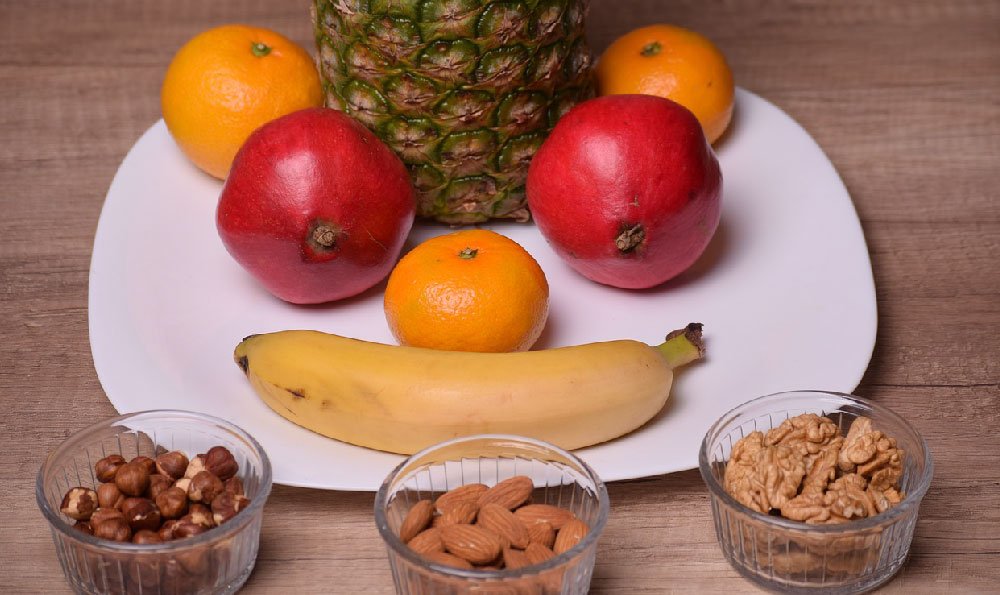
在进行减肥饮食的过程中,有时会感到饥饿,这时可以适当进行加餐。但加餐要注意适度,选择低热量和高纤维的食物,比如水果、坚果和酸奶等。避免选择高糖和高脂肪的零食,以免增加不必要的热量摄入。
五、饮食时间和运动结合
饮食时间与运动结合是健康减肥的重要一环。在饮食时间上,可以在早餐后和午餐后进行一些简单的有氧运动,比如散步或慢跑,促进脂肪燃烧。运动后的饮食时间也需要合理控制,可以选择高蛋白质的食物来恢复肌肉和增加饱腹感。
六、科学的减肥饮食计划
对于想要减肥的人来说,制定一个科学的减肥饮食计划是至关重要的。这个计划应该包括合理的食物选择、规律的饮食时间和适度的运动。减肥饮食时间的重要性不可忽视,只有通过科学的饮食时间安排,才能更好地实现健康减肥的目标。
健康的减肥饮食时间是减肥过程中不可忽视的一部分。通过合理的早餐、控制午餐和轻食晚餐,加上适度的加餐和科学的运动结合,可以实现健康减肥的目标。制定一个科学的减肥饮食计划,根据个人情况合理安排饮食时间,才能在减肥的道路上走得更远。
健康减肥的方法有哪些

健康减肥已成为许多人关注的话题。在现代社会中,营养丰富的食物和缺乏运动的生活方式导致了肥胖现象的普遍存在。探索健康减肥的方法成为了许多人的追求。本文将介绍几种有效的健康减肥方法。
【合理饮食】
饮食是减肥过程中最重要的一环。合理控制饮食总量是减肥的关键。减少每天摄入的卡路里数量,使其少于身体所需,才能消耗体内的脂肪。注意均衡摄入各种营养素。蛋白质、碳水化合物、脂肪、维生素和矿物质等都是人体所需的养分,不能偏食或挑食。选择低热量、高纤维和高蛋白的食物。蔬菜、水果、全麦产品和瘦肉等食物都是减肥的好选择。
【适量运动】
除了控制饮食,适量的运动也是健康减肥的重要方法。运动能够加速新陈代谢,提高脂肪燃烧速度。根据个人情况选择适合自己的运动方式,如散步、跑步、游泳、瑜伽等。坚持每周进行三至五次,每次持续三十至六十分钟的有氧运动,对减肥效果更佳。
【健康的生活习惯】
健康的生活习惯对减肥同样重要。保持良好的睡眠质量。睡眠不足会导致代谢紊乱,增加肥胖风险。合理的饮水量也是减肥的关键。足够的水分有助于新陈代谢,促进脂肪燃烧。减少吸烟和酗酒的习惯,保持情绪稳定也对减肥有帮助。
【科学减肥方法】
除了饮食、运动和生活习惯外,科学的减肥方法也可以加快减肥效果。可以尝试一些有效的减肥产品或辅助措施,如减肥药物或特殊饮食。选择时要慎重,并在专业医生的指导下进行。
【心理调适】
心理状态对减肥同样重要。建立正确的减肥观念,树立积极的心态,减少过度执着和焦虑情绪。通过与家人、朋友或心理咨询师的交流,寻求帮助和支持,有助于保持积极的减肥心态。
【结论】
健康减肥的方法是多方面的。合理饮食、适量运动、健康的生活习惯、科学的减肥方法和正确的心态是减肥的关键。每个人都可以根据自身情况选择合适的方法来减肥,注意坚持,并在实践中不断总结和改进,最终达到健康减肥的目标。
Healthy Weight Loss
Introduction:

Maintaining a healthy weight is crucial for overall well-being. In today's world, where an increasing number of people struggle with obesity, it is important to adopt effective and sustainable approaches to weight loss. This article aims to explore the various aspects of healthy weight loss, presenting factual information and supporting data.
Part 1: The Importance of Healthy Weight Loss
Obesity has become a global health concern, leading to an array of ailments such as heart disease, diabetes, and certain types of cancer. Healthy weight loss can significantly reduce the risk of these diseases, improving overall health and longevity. By shedding excess pounds, individuals can alleviate strain on their joints, boost metabolism, and enhance mental well-being.
Part 2: Balanced Diet and Portion Control
A key component of healthy weight loss is following a balanced diet. This entails consuming a variety of nutrient-rich foods such as fruits, vegetables, lean proteins, and whole grains. Portion control is equally important, as it helps maintain calorie intake within healthy limits. By practicing mindful eating and being aware of portion sizes, individuals can achieve sustainable weight loss without depriving themselves of essential nutrients.
Part 3: Regular Physical Activity
Engaging in regular physical activity is vital for weight loss. Exercise not only burns calories but also builds muscle, contributing to a higher metabolic rate. Incorporating activities such as brisk walking, jogging, cycling, or strength training into daily routines can significantly assist in achieving weight loss goals. Additionally, regular exercise improves cardiovascular health, strengthens bones, and enhances overall fitness.
Part 4: Hydration and Optimal Sleep
Proper hydration plays a significant role in weight loss. Drinking an adequate amount of water helps suppress appetite, boosts metabolism, and aids in digestion. Moreover, getting enough quality sleep is essential for weight management. Inadequate sleep disrupts hormone levels, leading to increased hunger and cravings. By prioritizing hydration and ensuring sufficient sleep, individuals can optimize their weight loss efforts.
Part 5: Avoidance of Fad Diets and Quick Fixes
There is a plethora of fad diets and quick-fix solutions claiming to guarantee rapid weight loss. However, these approaches often lack scientific evidence and can have detrimental effects on health. Restrictive diets, excessive supplementation, or extreme calorie restrictions can lead to nutrient deficiencies, muscle loss, and a slowed metabolism. It is crucial to prioritize sustainable lifestyle changes rather than relying on temporary and potentially harmful methods.
Part 6: Wellness Support and Long-Term Goals
While embarking on a weight loss journey, it is essential to seek support from healthcare professionals, registered dietitians, or support groups. These resources can provide personalized guidance, monitor progress, and offer motivation to maintain healthy habits. Additionally, setting realistic and long-term goals is key to sustainable weight loss. Slow and gradual progress, accompanied by consistent healthy choices, is more effective than rapid and temporary changes.
Conclusion:
Healthy weight loss is a multifaceted process that involves a balanced diet, regular physical activity, adequate hydration, optimal sleep, and a focus on long-term well-being. By adopting these approaches and avoiding fad diets or quick fixes, individuals can achieve sustainable and beneficial weight loss. Prioritizing one's health and making informed choices are the cornerstones of a successful weight loss journey.