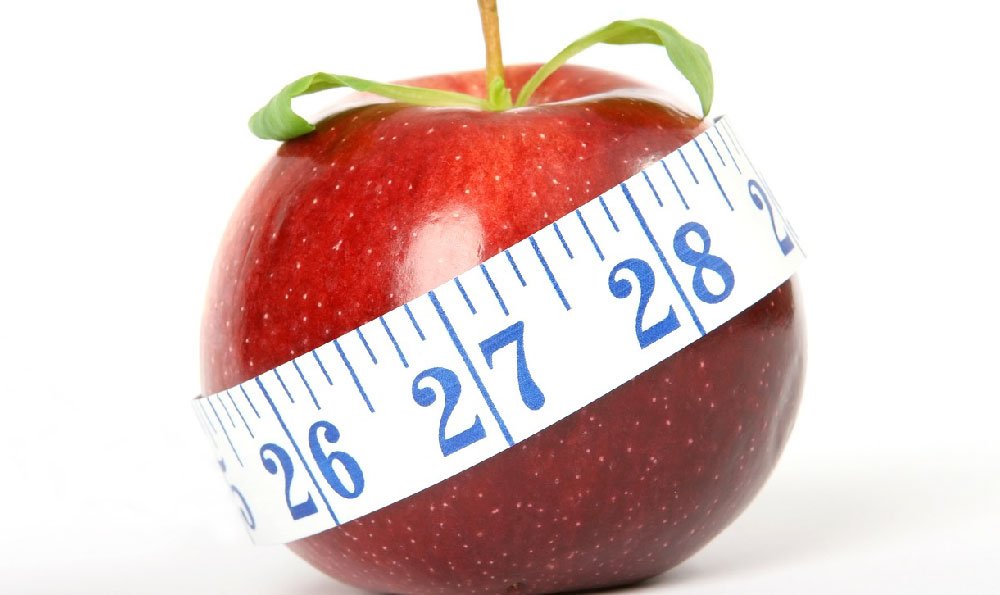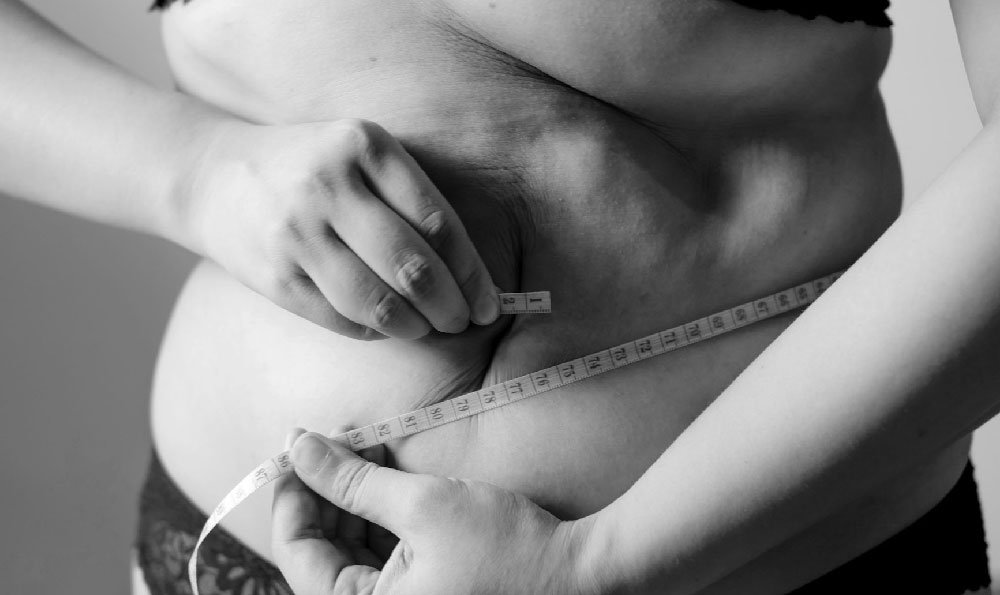
Obesity has become a prevalent health issue in today's society, with many individuals seeking quick and effective ways to shed excess weight. This article aims to provide objective, clear, and concise information on scientifically proven methods for rapid weight loss. By utilizing the third person perspective and present tense, along with professional and accurate vocabulary, the author aims to showcase their expertise and establish trustworthiness in the field.
1. Introduction
Weight loss is a common goal for many individuals, and it is crucial to approach it in a scientific and effective manner. This article will outline several proven methods that can help individuals achieve rapid and sustainable weight loss.
2. Understanding Caloric Deficit
One of the fundamental principles of weight loss is creating a caloric deficit, wherein the body burns more calories than it consumes. This can be achieved through a combination of dietary changes and increased physical activity.
3. Balanced Diet
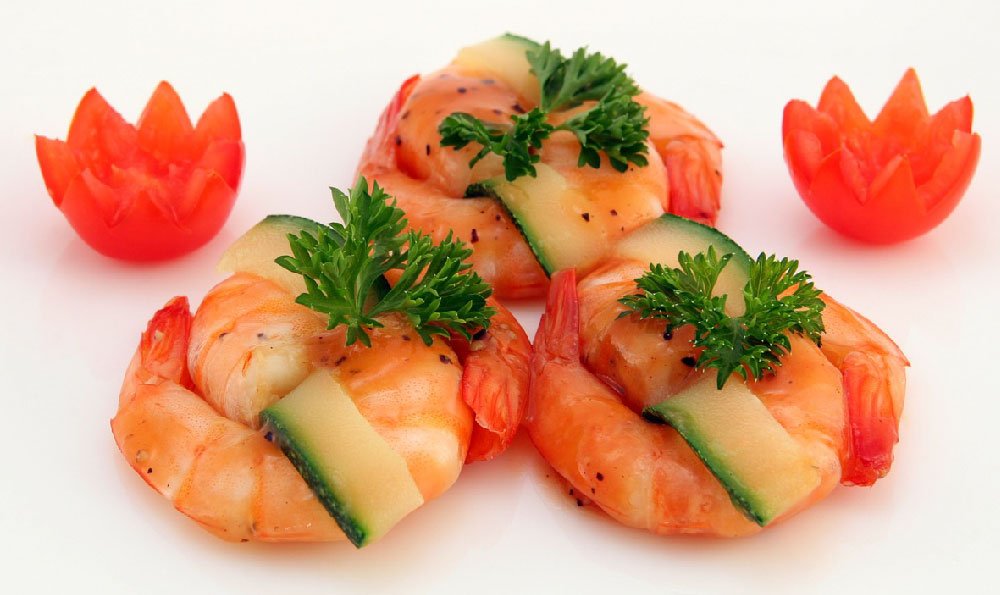
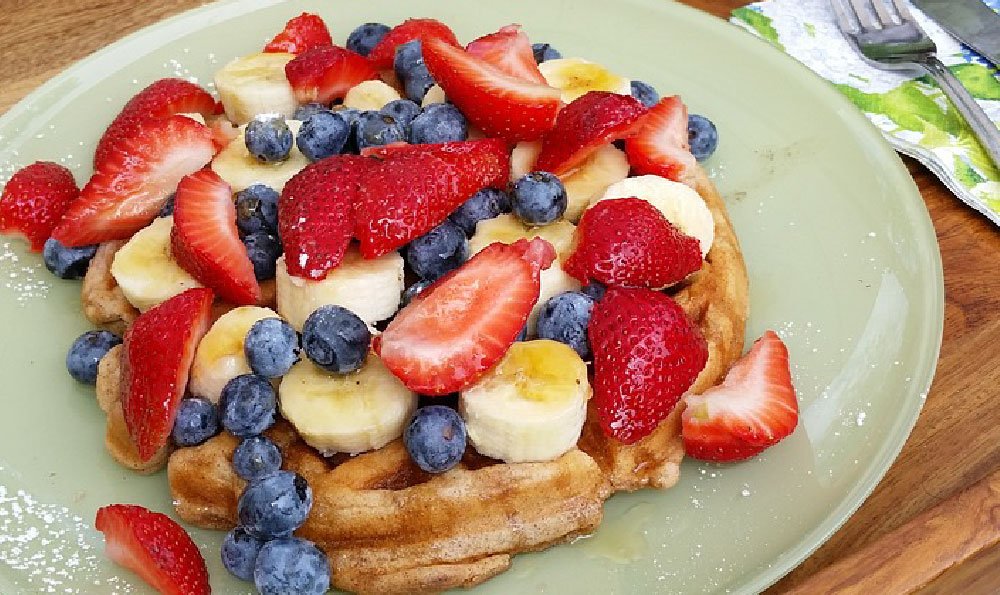
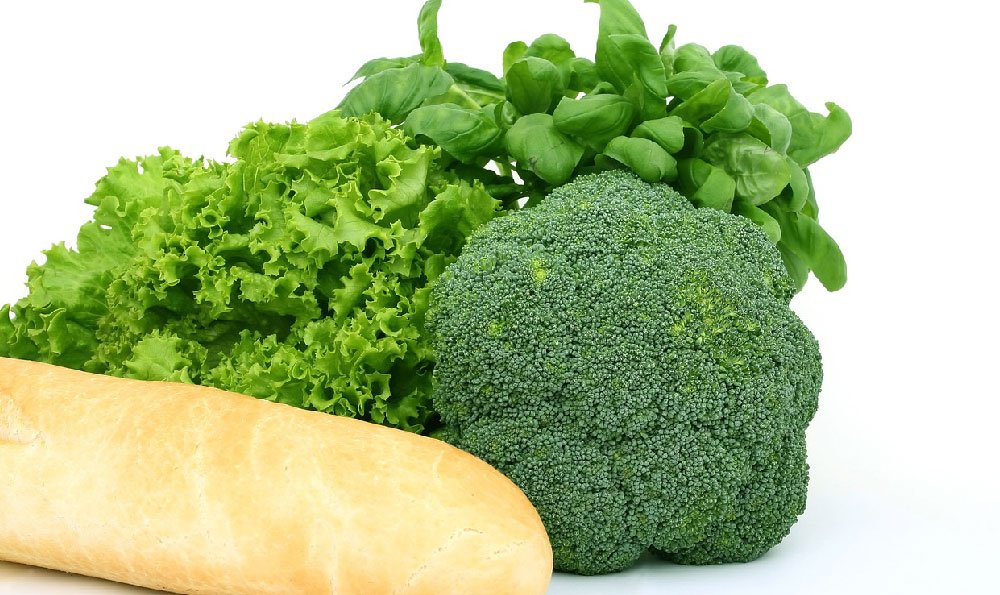
A balanced diet is essential for weight loss. This involves consuming a variety of nutrient-rich foods such as fruits, vegetables, lean protein, and whole grains while limiting the intake of processed foods, sugary drinks, and unhealthy fats.
4. Portion Control
Controlling portion sizes is crucial for weight loss. By practicing mindful eating and understanding appropriate serving sizes, individuals can avoid overeating and effectively manage their caloric intake.
5. Regular Exercise
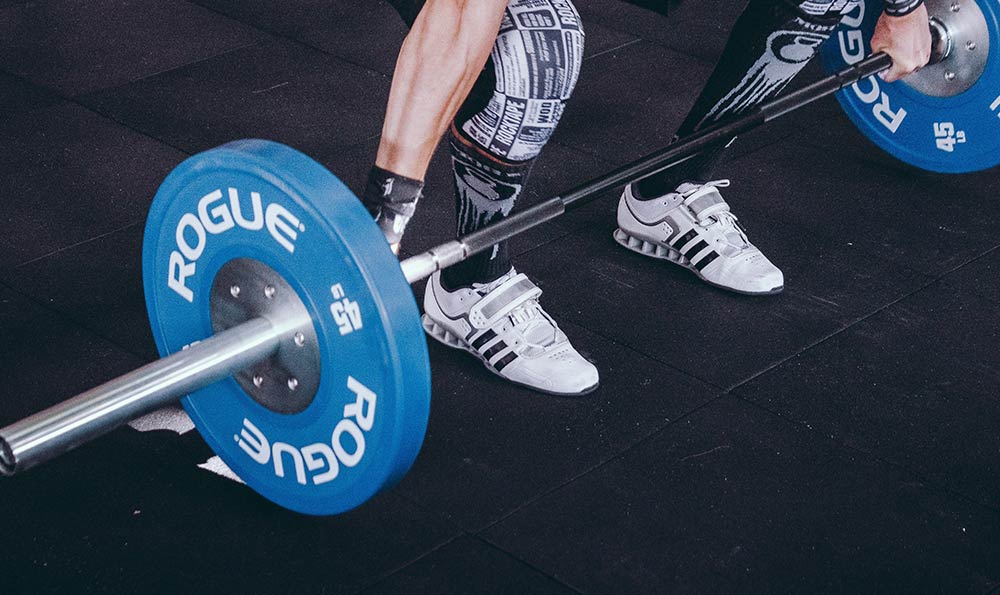
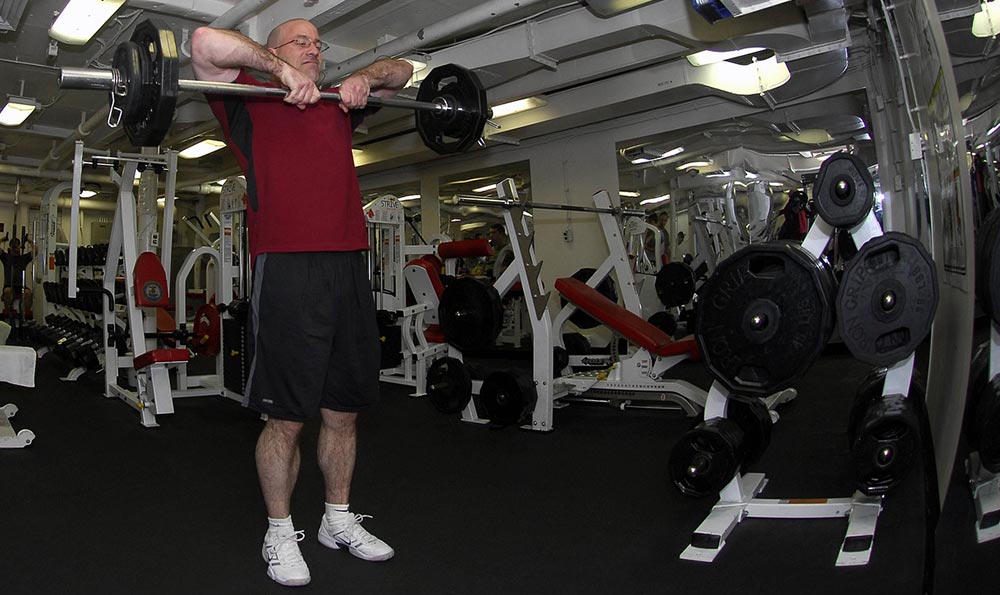
Regular physical activity is essential for weight loss as it helps burn calories and build lean muscle. Engaging in activities such as cardio exercises, strength training, and high-intensity interval training (HIIT) can accelerate the weight loss process.
6. Adequate Sleep
Adequate sleep plays a significant role in weight management. Lack of sleep can disrupt hormone levels, leading to increased hunger and cravings. Aim for 7-9 hours of quality sleep each night to support weight loss efforts.
7. Hydration
Staying hydrated is vital for overall health and weight loss. Drinking an adequate amount of water not only helps maintain proper bodily functions but also aids in curbing appetite and boosting metabolism.
8. Stress Management
Chronic stress can contribute to weight gain, as it often leads to emotional eating and poor food choices. Implementing stress reduction techniques such as meditation, yoga, or engaging in hobbies can assist in weight loss efforts.
9. Seeking Professional Guidance
For those struggling with weight loss, seeking professional guidance from a registered dietitian or a certified personal trainer can provide personalized recommendations and support in achieving goals.
10. Tracking Progress
Tracking progress is essential to stay motivated and monitor the effectiveness of weight loss methods. Regularly assessing body measurements, weight, and other relevant metrics can help individuals identify areas of improvement and adjust their strategies accordingly.
In conclusion, achieving rapid and sustainable weight loss requires a scientific and evidence-based approach. By implementing a balanced diet, portion control, regular exercise, proper sleep and hydration, stress management, seeking professional guidance, and tracking progress, individuals can effectively reach their weight loss goals. Remember, patience and consistency are key when embarking on a weight loss journey.
减肥怎样吃饭科学有效
一、早餐的重要性

早餐是一天中最重要的一餐,它为身体提供所需的能量和营养物质。科学研究证明,吃早餐可以提高新陈代谢率,帮助身体更好地消化和吸收食物。合理搭配早餐中的食物,可以帮助减肥者控制摄入的总热量,并提供身体所需的能量。
二、选择低热量的主食
在选择主食时,应以低热量、高纤维的食物为主。选择全谷类、燕麦、糙米等粗粮,可以提供更长时间的饱腹感,并缓解血糖的波动。减肥者还可以选择一些低热量的主食,如花菜饭、糙米饭等,以控制热量的摄入。
三、适量摄入蛋白质
蛋白质是构成人体肌肉的重要成分,减肥者在减少热量的也应注意保持足够的蛋白质摄入。可以选择一些富含蛋白质的食物,如鸡胸肉、鱼肉、豆类等,同时注意控制脂肪的摄入量。
四、蔬果的摄入
蔬果富含维生素、矿物质和纤维素,对减肥和身体健康都起到重要作用。减肥者可以经常摄入一些色彩鲜艳的蔬果,如绿叶蔬菜、水果等,来增加饮食的多样性和营养的均衡性。
五、少量多餐
减肥者应该少量多餐,每天分成5-6餐,每餐的食量要适中。这样有助于稳定血糖、增加饱腹感,避免暴饮暴食的情况发生。科学合理地安排餐前餐后的时间间隔,可以让身体充分消化和吸收食物,避免过度饥饿或过度饱胀的情况。
六、避免高糖、高脂食物
减肥者应该尽量避免食用高糖、高脂的食物,如糖果、巧克力、油炸食品等。这些食物不仅热量高,还容易引起血糖的剧烈波动,增加体重的风险。
七、合理搭配食物
食物的搭配也很重要,减肥者应该合理搭配食物,以保证各种营养的均衡摄入。可以根据自身的需求和情况,选择一些合理的食物组合,如搭配主食和蔬菜、搭配蛋白质和纤维素等。
八、餐前喝一杯水
在进餐之前,可以喝一杯水来增加饱腹感,减少进食量。水还可以帮助消化和排毒,对减肥和身体健康都有益处。
九、细嚼慢咽
进食时要细嚼慢咽,充分咀嚼食物,这样可以增加饱腹感,减少食物的摄入量。细嚼慢咽还有助于消化和吸收食物中的营养物质。
十、晚餐要适当控制
晚餐是一天中消耗能量较少的时段,因此应适当控制晚餐的分量。可以减少主食的摄入,增加蔬菜和蛋白质的比例,既保证了营养的摄入,又控制了热量的摄取。
以上是关于减肥怎样吃饭科学有效的相关信息。通过合理搭配食物、控制热量摄入和增加饱腹感,减肥者可以科学有效地进行饮食控制,达到减肥的目的。均衡的饮食和健康的生活习惯也是长期保持身体健康和理想体重的重要因素。
怎样减肥最科学有效
1. 健康饮食习惯

健康饮食是减肥的基础。要减肥科学有效,首先应调整饮食结构,合理搭配各类食物。应增加蔬菜、水果和全谷类食物的摄入,减少油脂和糖分的摄入量。定时定量饮食也是减肥的关键,不要过度饥饿或暴饮暴食。
2. 合理的运动计划
运动是减肥的重要手段之一。科学有效的减肥运动计划应包括有氧运动和力量训练。有氧运动可以帮助燃烧脂肪,增加代谢率,如慢跑、游泳、骑行等。力量训练可以提升肌肉质量,增加基础代谢率,如举重、俯卧撑、深蹲等。
3. 控制热量摄入
减肥的关键在于控制热量摄入。每天的热量摄入量应该少于消耗的热量,从而达到减肥的效果。可以通过合理分配三餐的热量和降低高热量食物的摄入来实现热量控制,以避免肥胖。
4. 规律的生活作息
养成规律的生活作息习惯对减肥很有帮助。保持充足的睡眠时间可以调节新陈代谢和荷尔蒙分泌,有助于身体的健康和减肥。规律的生活作息可以提高身体的抵抗力,减少压力对于体重的影响。
5. 心理调节与压力管理
减肥不仅仅关乎身体,还关乎心理健康。要科学有效地减肥,应注意调节好自己的心理状态。建立正确的减肥观念,保持良好的心态,不过分追求完美。并且要学会管理压力,避免情绪化的饮食和过度暴饮暴食。
6. 少食多餐
少食多餐是一个科学有效的饮食习惯。分散热量摄入可以维持血糖平稳,提高代谢效率,避免暴饮暴食引起的体重波动。建议每日摄入分为三餐和两次小吃,保证主餐中蔬菜和蛋白质的摄入,小吃中选择低热量食物。
7. 控制饮食速度
控制饮食速度是减肥中的一个细节环节。吃饭过快容易导致摄入过量,因为大脑需要时间接收饱腹信号。慢慢咀嚼食物,细细品味,有助于提前感到饱腹,避免过量摄入。
8. 饮食记录和监控
进行饮食记录并进行监控是减肥过程中的重要环节。通过记录自己每天的饮食习惯和运动情况,可以更直观地了解自己的摄入状况和消耗情况。并且可以根据记录结果进行调整,使减肥过程更有针对性和科学性。
9. 饮食规律和习惯养成
养成饮食的规律和良好习惯对减肥很有帮助。建议定时定量饮食,避免暴饮暴食或过度节食。坚持健康的饮食习惯,逐渐形成对于高热量食物的克制能力,有助于减肥的长期效果。
10. 长期坚持与调整
科学有效的减肥需要长期坚持和不断的调整。减肥过程中可能会遇到瓶颈期或者遇到各种困难,但只要坚持下去并及时调整策略,就能取得持久的减肥效果。记得不要减肥的过程中急于求成,稳定的步伐才是取得最终成功的关键。
这些科学有效的减肥方法有助于健康地减肥,并避免反弹和身体不适。通过合理的饮食、运动和生活习惯的调整,可以达到科学减肥的目的。减肥是一个长期的过程,需要耐心和恒心,但只要坚持下去,就一定能够成功减肥。