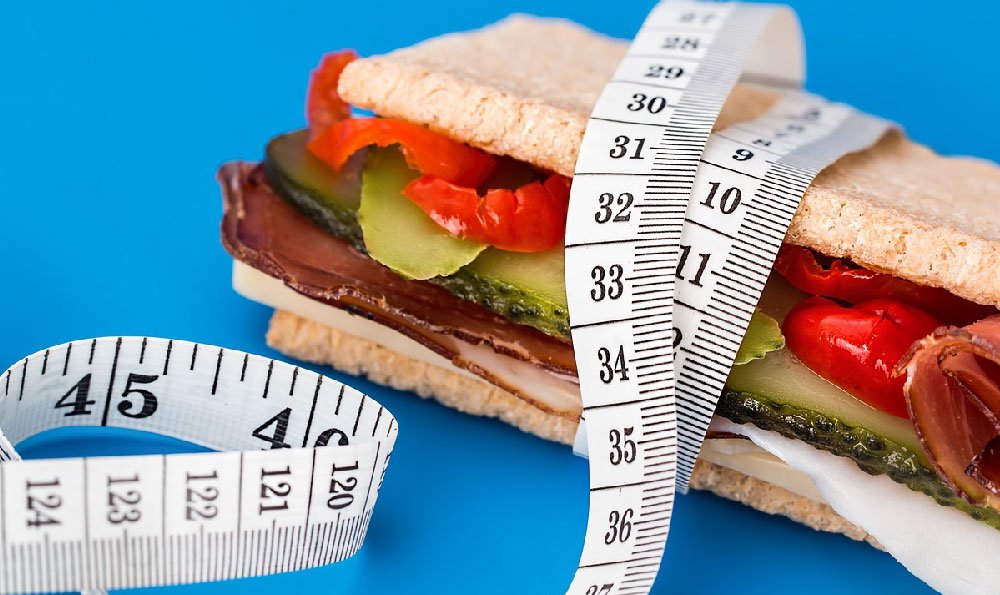
暴食两天减肥法是一种快速减肥的方法,但其效果和长期可持续性值得怀疑。这种方法通常被一些人追捧,因为它可以在短时间内减掉一些体重。这种减肥方法主要通过限制食物的摄入量,而非改变饮食习惯和生活方式。它缺乏可持续性和健康性。

暴食两天减肥法的原理是,在两天内摄入过量的食物,然后在接下来的几天内限制食物摄入量。这种方法的支持者认为,通过这种“摄入与限制”的交替方式,可以刺激新陈代谢,加速脂肪燃烧。这一理论缺乏科学依据。
暴食两天减肥法可能造成营养不平衡。在两天内摄入大量食物后,接下来限制食物摄入,会导致身体无法获得足够的营养,尤其是维生素和矿物质。长期以往,这可能会导致健康问题。
暴食两天减肥法并不能改变饮食习惯和生活方式。减肥不仅仅是短期内减掉体重,更重要的是保持健康的饮食和运动习惯。这种减肥方法只是暂时性的,并不能帮助人们建立良好的饮食习惯和健康的生活方式。
暴食两天减肥法可能会引发心理问题。大量摄入食物后的罪恶感和限制食物摄入所带来的压力,可能会导致暴饮暴食的恶性循环。这种不健康的心理状态对身体和心理健康都会造成负面影响。
暴食两天减肥法并不是一种可持续的减肥方法。长期以往,人们很有可能无法坚持这种极端的饮食模式,而且一旦恢复正常饮食,体重很有可能会反弹。
暴食两天减肥法虽然在短期内能够减掉一些体重,但其效果和健康性是值得怀疑的。减肥应该是一个健康和可持续的过程,而不仅仅是追求短期效果。建议采取健康的饮食习惯和适度的运动来达到理想的体重和健康状态。
暴食两天多久能瘦回去
每个人都有时候会放纵一下,享受一些美食,但是暴食过后多久才能瘦回去呢?这是一个受到很多人关注的问题。下面将通过一些事实和信息来解答这个问题。

暴食两天多久能瘦回去取决于多种因素,包括个人的新陈代谢、饮食习惯和运动水平等。每个人的身体和代谢过程都不相同,因此无法给出一个具体的时间范围。暴食所造成的体重增加主要是因为摄入的卡路里超过了消耗的卡路里。要恢复原来的体重,就需要适当控制饮食并增加运动量,以消耗多余的卡路里。
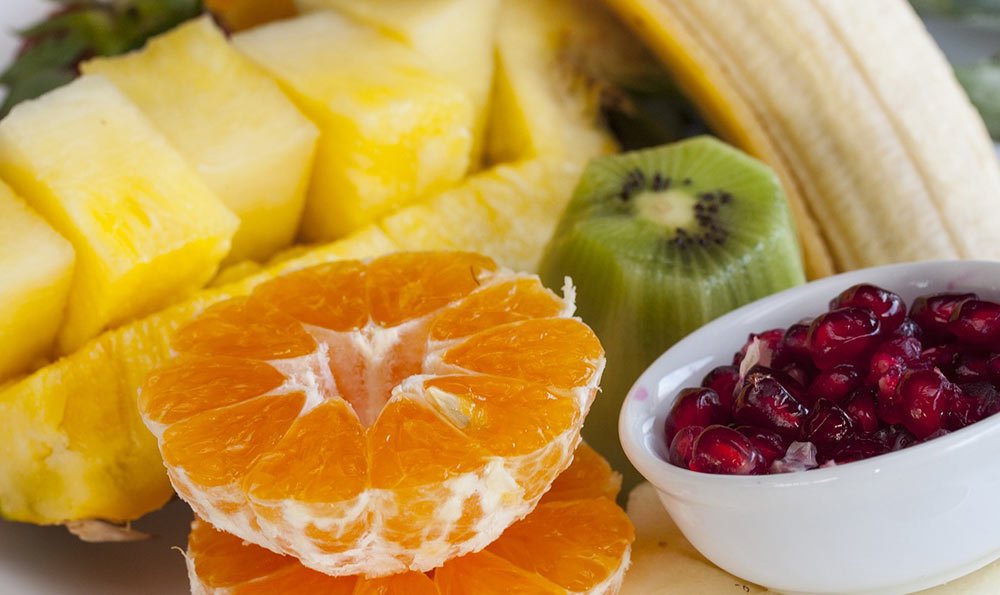
为了恢复健康的体重,推荐采取一些科学的方法。要重新调整饮食习惯,避免暴食的情况发生。建议每天摄入均衡的营养,包括蔬菜、水果、全谷物和健康的蛋白质来源。控制食物的份量也是很重要的。可以采用分餐法,分多次进食而不是一次吃太多。要避免高糖和高脂肪的食物,选择低热量和高纤维的食物有助于控制体重。
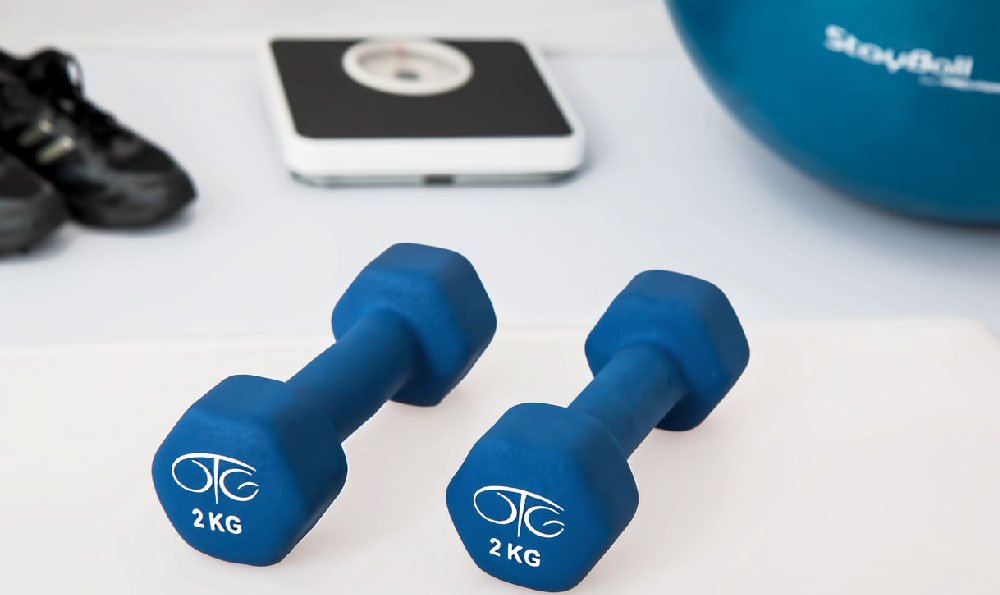
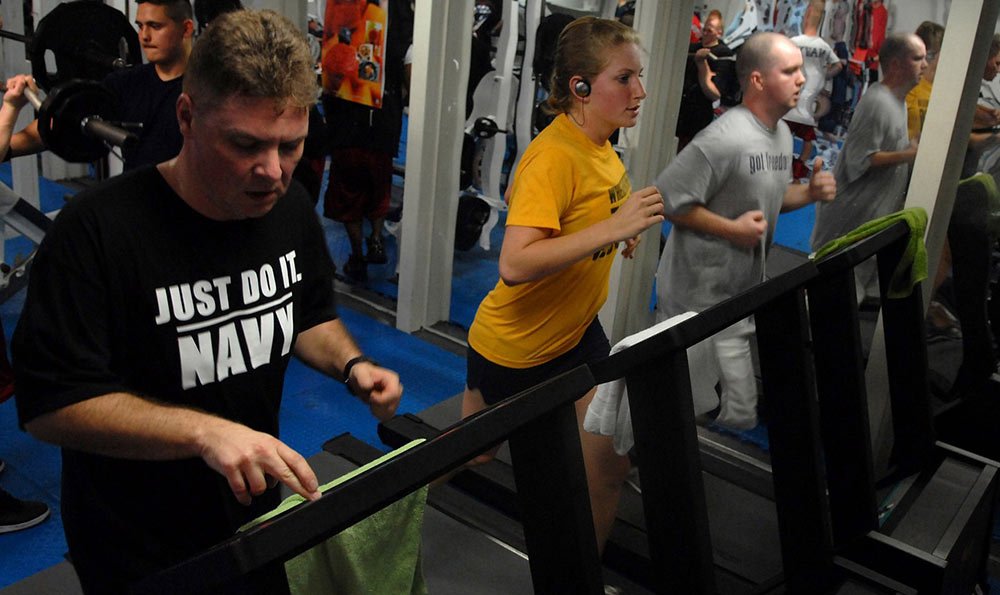
增加运动是恢复健康体重的关键。运动可以帮助消耗卡路里,并增强心肺功能和肌肉力量。推荐每天进行至少30分钟的有氧运动,如快走、跑步、游泳等。还可以进行力量训练来增加肌肉质量,提高基础代谢率,从而有助于减肥和保持健康体重。
要注意的是,暴食两天并不会导致长期的体重增加。身体需要一定的时间来消化和吸收所摄入的食物,而多余的卡路里会被存储为脂肪。当再次恢复正常饮食和运动后,身体会逐渐消耗掉这些多余的脂肪,从而恢复到原来的体重。
暴食两天多久能瘦回去没有一个固定的时间。但通过适当的饮食和运动,可以加快身体恢复正常的速度。每个人的身体和代谢过程都不相同,因此需要根据个人情况来制定合理的减肥计划。最重要的是保持对自己身体的关注和健康的生活方式,以达到理想的体重和身体状态。
暴食两天多久能瘦回去的相关信息和建议。希望这些内容能帮助到对此感兴趣的读者。健康和减肥需要时间和耐心,合理的饮食和适当的运动是保持身体健康的关键。
如何恢复体重 after 2 days of overeating
In order to recover from two days of overeating and restore your body weight, it is important to follow a step-by-step approach that focuses on balanced nutrition and healthy habits. This article will provide you with some objective and educational advice to help you achieve your goal.
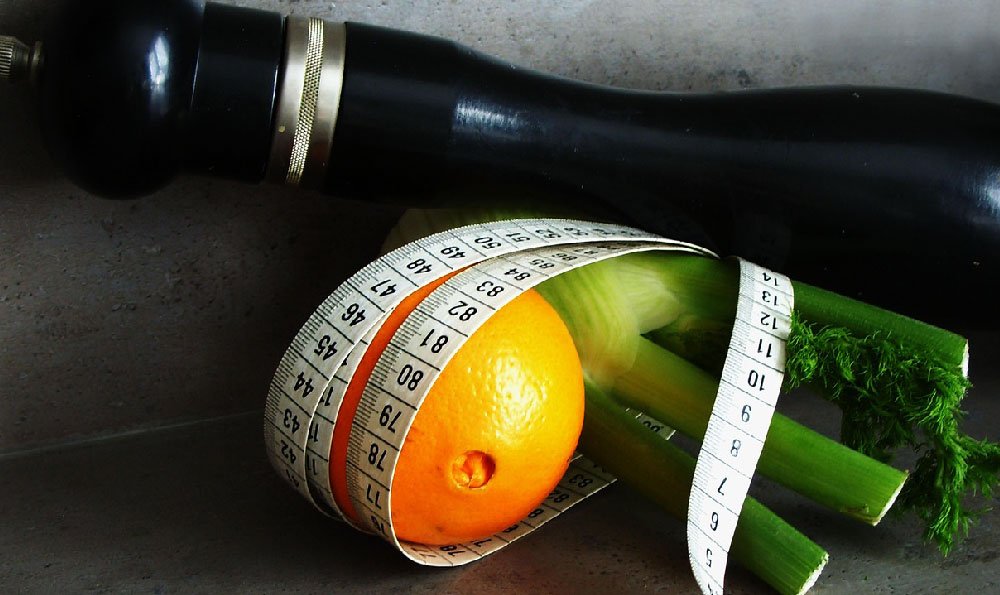
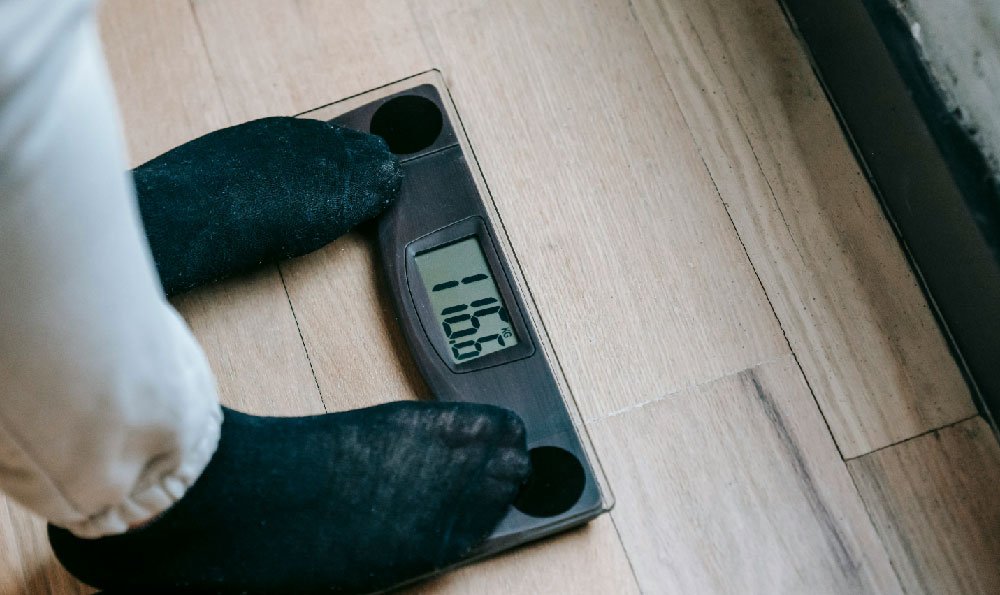
1. Assess your current weight: Start by weighing yourself in order to determine the amount of weight you have gained during the two days of overeating. This will provide you with an understanding of the extent of the problem and will serve as a benchmark for your progress.
2. Set realistic goals: Determine how much weight you want to lose and set achievable goals. It is important to approach weight loss in a healthy and sustainable manner. Rapid weight loss can have negative impacts on your overall health.
3. Create a calorie deficit: In order to lose weight, you need to create a calorie deficit. Calculate your daily calorie needs based on your age, gender, activity level, and weight loss goals. Aim to consume fewer calories than your body needs in order to encourage weight loss.
4. Eat a balanced diet: Focus on consuming a balanced diet that includes a variety of nutrient-rich foods. Include fruits, vegetables, whole grains, lean proteins, and healthy fats in your meals. Avoid or limit foods that are high in saturated fats, added sugars, and processed ingredients.
5. Practice portion control: Pay attention to the size of your meals and practice portion control. Use smaller plates and bowls to help control your portion sizes. Avoid eating large quantities of food in one sitting and aim to eat smaller, more frequent meals throughout the day.
6. Stay hydrated: Drink plenty of water throughout the day to stay hydrated. Water helps to keep your body functioning properly and can also help to control your appetite. Avoid sugary drinks and opt for water as your primary beverage.
7. Incorporate physical activity: Engage in regular physical activity to aid in weight loss and overall health. Find an activity that you enjoy and make it a part of your daily routine. This could include walking, jogging, swimming, cycling, or any other form of exercise that gets your heart rate up.
8. Monitor your progress: Keep track of your weight loss progress by weighing yourself regularly. This will help you to stay motivated and make necessary adjustments to your diet and exercise routine if needed.
9. Seek professional guidance if needed: If you are struggling with weight loss or have specific dietary needs, consider seeking the assistance of a registered dietitian or nutritionist. They can provide personalized guidance and support to help you reach your goals.
10. Stay committed and patient: Remember that weight loss takes time and commitment. Stay focused on your goals, stay consistent with your healthy habits, and be patient with your progress. It may take some time to see results, but with perseverance, you will achieve your desired weight.
In conclusion, recovering from two days of overeating and restoring your body weight requires a balanced approach that focuses on nutrition, portion control, physical activity, and patience. By following these steps and staying committed to your goals, you can successfully recover and achieve a healthy weight.