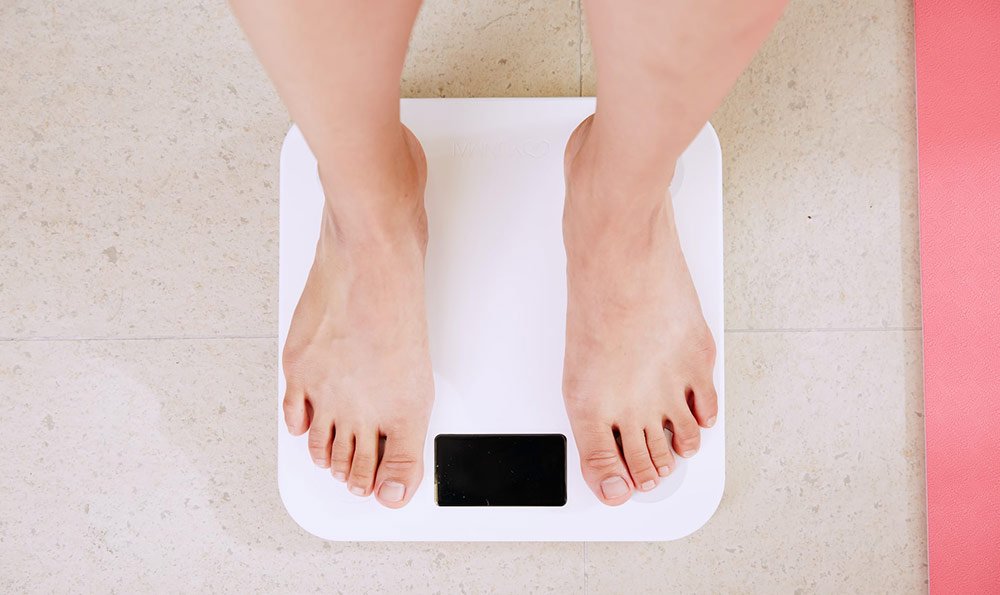

The feeling of hunger is often associated with weight loss efforts, as individuals often restrict their calorie intake to achieve their desired body weight. However, the impact of hunger on sleep quality and whether it is considered normal in the context of weight loss is a topic of interest. This article aims to explore the relationship between hunger, sleep, and weight loss, providing objective information supported by facts and data.
The Relationship between Hunger and Sleep
Hunger is a natural response of the body when it requires nourishment. During weight loss, individuals may experience increased hunger as a result of calorie restriction. However, the impact of hunger on sleep quality varies among individuals. Some people find it difficult to fall asleep when feeling hungry, while others may experience no significant disruptions to their sleep patterns.
Studies have shown that hunger can affect sleep in several ways. Firstly, hunger can interfere with the body's ability to relax and unwind before sleep, leading to difficulty falling asleep. Secondly, hunger can cause sleep disturbances through the release of stress hormones, such as cortisol, which can disrupt sleep cycles. Lastly, hunger can also lead to increased nocturnal awakenings, as the body signals the need for food during the night.
The Normalcy of Hunger-induced Sleep
While experiencing hunger-induced sleep difficulties during weight loss efforts is common, it is important to assess whether it is considered normal or not. In general, occasional sleep disturbances due to hunger during weight loss are considered normal and expected. However, persistent or severe sleep disruptions may be a sign of an unbalanced weight loss plan or an underlying health issue.
It is crucial to note that a healthy weight loss journey should not compromise sleep quality. Depriving the body of essential nutrients and calories for extended periods can disrupt various bodily functions, including sleep. Therefore, adopting a weight loss approach that includes a well-balanced diet, regular physical activity, and sufficient caloric intake is vital to promote successful weight loss while maintaining optimal sleep quality.
Conclusion
In conclusion, hunger-induced sleep difficulties are commonly experienced during weight loss efforts. Hunger can negatively impact sleep quality by interfering with the ability to fall asleep, releasing stress hormones that disrupt sleep cycles, and causing nocturnal awakenings. While occasional sleep disturbances due to hunger are considered normal, persistent or severe disruptions may signify an unbalanced weight loss plan or underlying health issues. Therefore, it is essential to prioritize both weight loss and sleep quality by adopting a well-rounded approach that includes a balanced diet, exercise, and adequate caloric intake.
减肥饥饿感入睡正常吗
饥饿感是减肥过程中常见的体验,因为减少热量摄入或进行剧烈运动会导致能量不足。而有人担心,减肥饥饿感是否会影响睡眠质量。本文将从多个角度剖析这个问题,旨在为读者提供客观、准确的信息。

饥饿感与睡眠之间是否存在联系?我们需要了解饥饿感和睡眠的生理机制。饥饿感通常是身体发出的信号,提示我们需要进食。身体正常的能量调节系统能够保持血糖稳定,即使在饥饿状态下,身体也可以通过代谢调节维持正常功能。
减肥过程中,长时间的饥饿感可能会对身体产生一些影响。一些研究表明,长期饥饿会影响人的情绪和注意力,从而对睡眠产生一定的干扰。由于能量摄入不足,身体会释放一些激素,如皮质醇和去甲肾上腺素,从而导致情绪波动和焦虑感,进而影响睡眠。
饥饿感还可能导致血糖下降。低血糖状态会引起身体的醒来反应,导致睡眠中断或难以入睡。而即使是轻微的血糖下降也会引发饥饿感,从而影响睡眠质量。
并非所有人都会在减肥过程中出现饥饿感影响睡眠的情况。每个人的身体反应不同,而且减肥的方法也有很多种。有些人通过合理减少热量摄入和增加运动量来控制体重,这样可以避免过度饥饿引起的睡眠问题。而其他人可能采取了极端的饮食措施,如长时间的禁食或低碳水化合物饮食,这样可能会导致饥饿感更加明显,从而更容易影响睡眠质量。
除了建议合理减肥外,如何缓解减肥饥饿感对睡眠的干扰也是值得关注的。可以选择合理的饮食结构,包括均衡的营养和适量的热量摄入,避免过于极端的饮食方式。可以调整进食时间,尽量避免在睡前过饱或过饿。通过适当的运动可以改善代谢和调节情绪,有助于缓解饥饿感带来的睡眠问题。
减肥饥饿感可能会对睡眠产生一定的干扰,但这并非绝对。每个人的身体反应不同,而减肥的方式也会影响饥饿感的程度。合理减肥和采取一些缓解措施可以降低饥饿感对睡眠的负面影响。对于想要减肥的人们来说,既要注意饥饿感带来的身体影响,也要关注睡眠的养护,确保身体和心理的健康。
减肥饥饿感入睡会瘦吗
一、饥饿感与减肥的关系

饥饿感是指由于长时间未进食导致的身体内部机制的一种反应。在减肥过程中,一些人选择通过忍受饥饿感来达到减轻体重的目标。入睡前感到饥饿会促使身体燃烧更多的脂肪储备以满足能量需求,从而达到减肥的效果。
饥饿感入睡并不会直接导致减肥。饥饿感只是一种信号,表示身体需要能量补充。身体在饥饿状态下会通过降低新陈代谢速率和保持脂肪储备来应对能量不足的情况,这实际上会减慢脂肪的燃烧过程。饥饿感入睡其实会对减肥效果产生负面影响。
二、入睡前饥饿感对睡眠质量的影响
饥饿感入睡对于睡眠质量来说也是不利的。饥饿感会导致血糖水平下降,使人感到不舒服。这会引发入睡困难、睡眠浅和多次醒来的情况。研究表明,饥饿状态下的入睡会导致睡眠结构的改变,减少深度睡眠和快速眼动睡眠(REM)的时间,从而影响恢复能力和新陈代谢的正常运作。
三、合理的饮食和睡眠对于减肥的重要性
相比于通过饥饿感入睡来减肥,更重要的是进行合理的饮食和睡眠安排。科学研究发现,定时进食和适当的热量摄入能够维持身体的新陈代谢正常,提供足够的能量,同时避免过度摄入导致的脂肪堆积。
在睡眠方面,充足而高质量的睡眠对于身体健康和减肥效果都至关重要。睡眠不足会导致代谢紊乱、激素失衡和食欲增加,从而增加体重。保持稳定的睡眠时间和睡眠质量,有助于身体的新陈代谢正常运作,提高减肥效果。
四、结论
饥饿感入睡并不会直接导致减肥。相反,饥饿感会减慢脂肪燃烧的速度,对减肥效果产生负面影响。饥饿感入睡也会影响睡眠质量,进一步阻碍减肥过程。
为了更好地减肥,我们应该遵循合理的饮食和睡眠规律。合理的饮食可以提供足够的能量,避免饥饿感的出现,同时控制热量摄入。充足的高质量睡眠有助于维持新陈代谢正常运作,提高减肥效果。减肥不是仅仅靠饥饿感入睡,而是通过合理的饮食和睡眠来实现的。