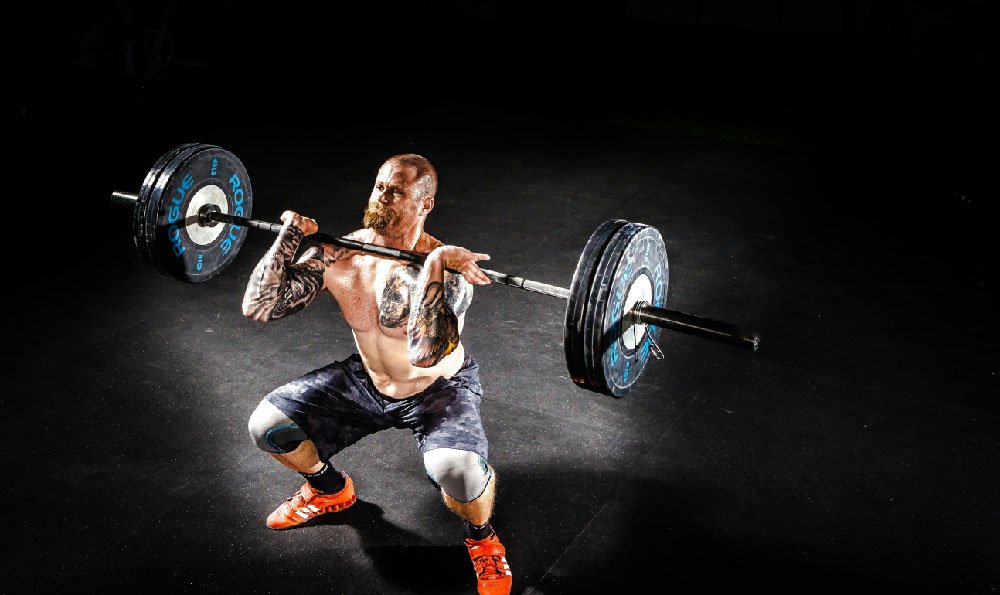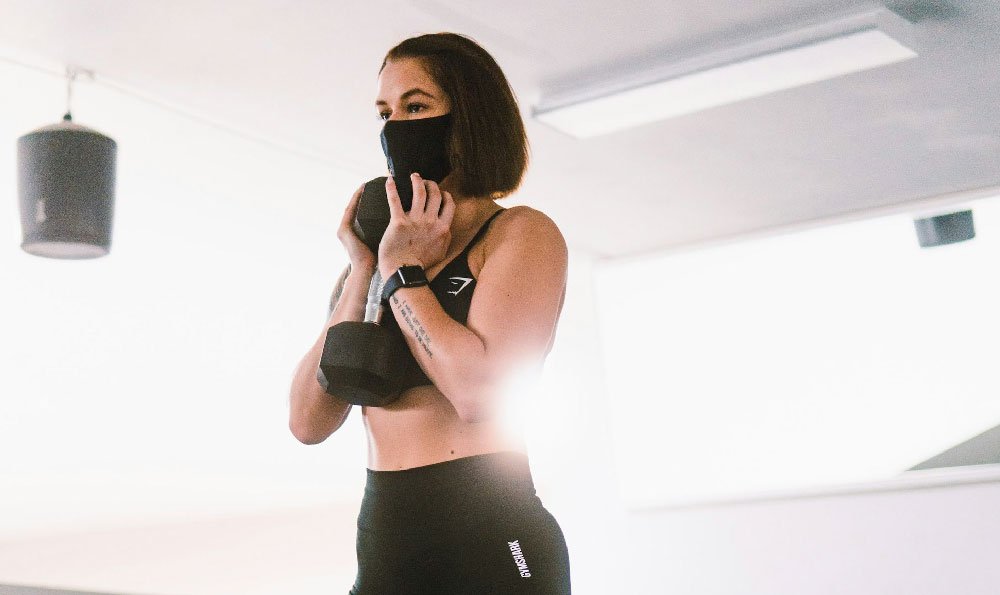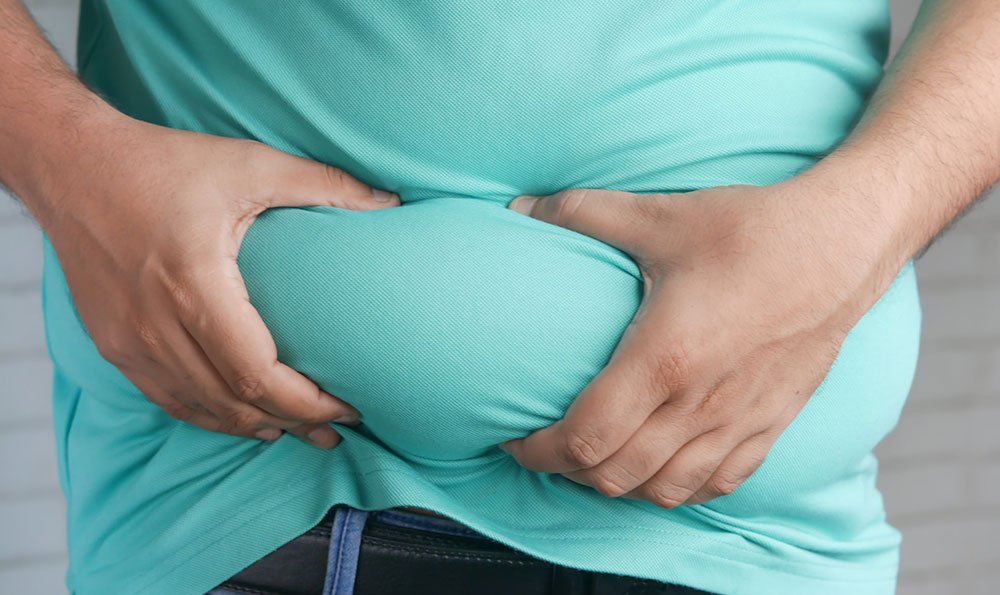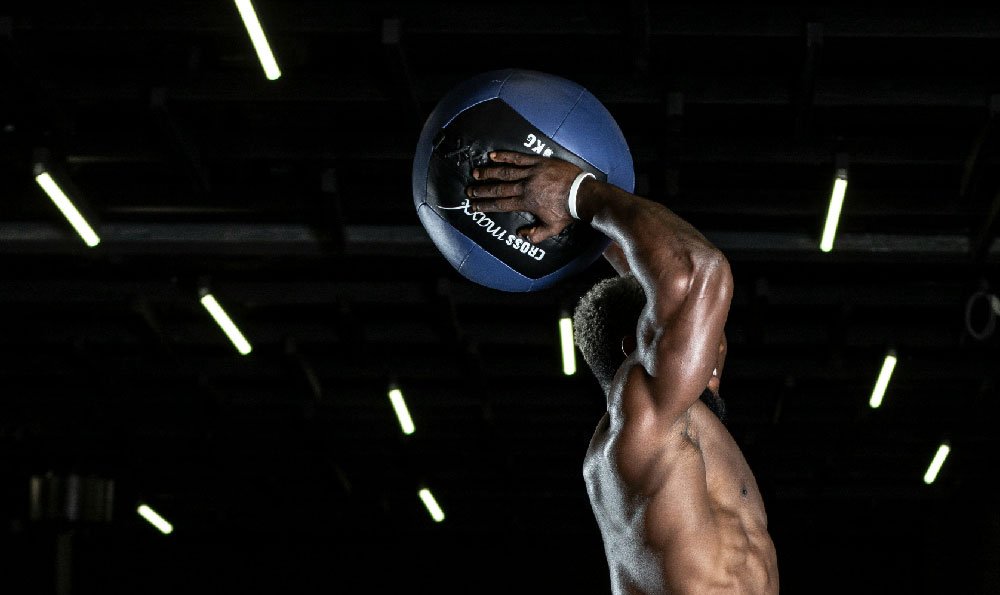
秦昊减肥法食物是指秦昊减肥法中推荐的食物,这些食物在帮助减肥的保持了身体所需的营养摄入。本文将通过定义、分类、举例和比较等方法,系统地介绍秦昊减肥法食物及其推荐的食物量。
一、定义
秦昊减肥法食物是指在秦昊减肥法中推荐的,对身体健康和减肥有益的食物。这些食物通常具有低热量、高纤维、丰富的维生素和矿物质等特点,有助于控制摄入热量,增加饱腹感,并提供身体所需的营养。
二、分类
根据秦昊减肥法的原则,秦昊减肥法食物可以分为以下几类:
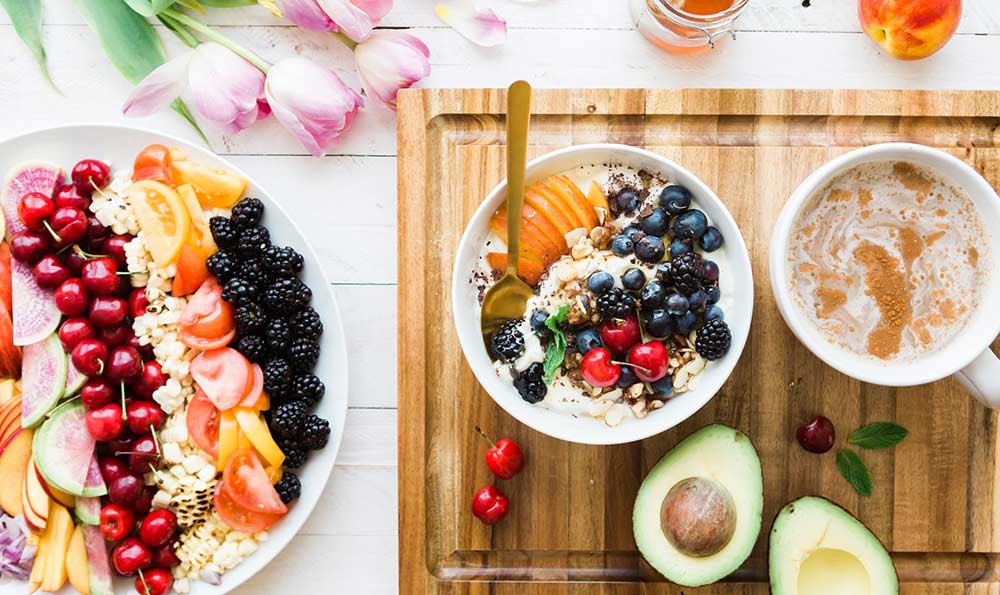
1. 蔬菜类:包括各类绿叶蔬菜(如菠菜、生菜、油菜等)、豆类蔬菜(如黄豆、绿豆等)和根茎类蔬菜(如胡萝卜、芹菜等)。这些蔬菜富含纤维和维生素,摄入后能够增加饱腹感,减少对高热量食物的摄入。
2. 果类:包括各类水果(如苹果、橙子、葡萄等)、浆果(如蓝莓、草莓等)和柑橘类水果(如柠檬、柚子等)。这些水果含有丰富的纤维和维生素,能够提供人体所需的营养,同时也具有较低的热量。
3. 粗粮类:包括糙米、全麦面粉、燕麦等。这些食物富含膳食纤维和维生素B群,有助于调节血糖和胆固醇水平,增加饱腹感,减少对高热量食物的摄入。
4. 蛋白质类:包括鸡蛋、鱼、豆制品等。这些食物提供高质量的蛋白质,能够维持肌肉质量并增加饱腹感,有助于减少摄入的热量。
三、举例
以下是秦昊减肥法中推荐的食物和食物量的一些具体例子:
1. 蔬菜类:每日推荐摄入量为500克,例如菠菜、生菜、黄豆等。
2. 果类:每日推荐摄入量为300-500克,例如苹果、橙子、蓝莓等。
3. 粗粮类:每日推荐摄入量为200-300克,例如糙米、全麦面粉、燕麦等。
4. 蛋白质类:每日推荐摄入量为每公斤体重0.8-1克,例如鸡蛋、鱼、豆制品等。
比较:
与其他减肥方法相比,秦昊减肥法食物注重均衡饮食和摄入适量的营养素。相较于单一食物限制或低碳水化合物饮食,秦昊减肥法食物提供的营养更全面,能够满足身体所需,减少减肥过程中的健康风险。
秦昊减肥法食物是一种客观、专业、清晰和系统的减肥方式,其推荐的食物和食物量能够帮助人们在减肥的过程中保持身体健康。通过合理地摄入蔬菜、水果、粗粮和蛋白质等食物,人们能够有效地控制摄入热量,增加饱腹感,并获得所需的营养。
秦昊减肥法食物量
引言

减肥一直是人们关注的话题之一,而秦昊减肥法食物量是一种有效的减肥方法。通过减少摄入的食物量来控制热量摄入,达到减肥的目的。本文将从定义、分类、举例和比较等角度来阐述秦昊减肥法食物量的相关知识。
正文
一、定义
秦昊减肥法食物量是指通过控制食物的摄入量来达到减肥的目的。与其他减肥方法相比,秦昊减肥法注重的是减少热量摄入,而不是完全限制某种类型的食物。通过科学的配比和合理的饮食组合来达到减肥效果。
二、分类
根据食物的种类和特点,秦昊减肥法食物量可以分为以下几类:
1. 粗粮类:包括糙米、全麦面包等,富含膳食纤维和营养成分,可以提供长时间的饱腹感,减少对其他高热量食物的摄入。
2. 蔬菜类:如西红柿、黄瓜、芹菜等,富含维生素和矿物质,摄入量较大可以增加饱腹感,同时提供丰富的营养。
3. 水果类:如苹果、橙子、葡萄等,可以满足口腹之欲,同时提供丰富的纤维和维生素。
4. 蛋白质类:包括瘦肉、鸡蛋、豆腐等,提供身体所需的蛋白质,同时具有饱腹感,减少对高热量食物的需求。
三、举例
为了更好地理解秦昊减肥法食物量的实际操作,以下是一些常见的秦昊减肥法食物量食谱示例:
早餐:一碗糙米粥,一片全麦面包,一份水煮蛋,适量的水果。
午餐:一份鸡胸肉沙拉,配以各种蔬菜和低脂沙拉酱。
晚餐:一份鱼肉炖豆腐,配以适量的蔬菜和米饭。
加餐:选择一些低热量的水果或酸奶。
四、比较
与其他减肥方法相比,秦昊减肥法食物量具有以下优点:
1. 不限制食物种类:秦昊减肥法注重的是食物量的控制,而不是限制某种食物的摄入。这样可以让人们在减肥的同时仍然享受各种食物的美味。
2. 科学合理:通过科学的配比和合理的饮食组合,可以保证身体所需的营养物质的摄入,减少减肥期间的健康问题。
3. 长期可持续:秦昊减肥法食物量不是一种临时性的减肥方法,而是一种可以长期持续的生活方式。通过控制食物量,人们可以逐渐调整自己的饮食习惯,从而保持健康的体重。
结尾
秦昊减肥法食物量是一种有效的减肥方法,通过控制食物的摄入量,人们可以达到减肥的目的。秦昊减肥法注重的是减少热量摄入,而不是完全限制某种类型的食物。通过科学的配比和合理的饮食组合,人们可以享受美食的同时保持健康的体重。
秦昊减肥法食物吃多少
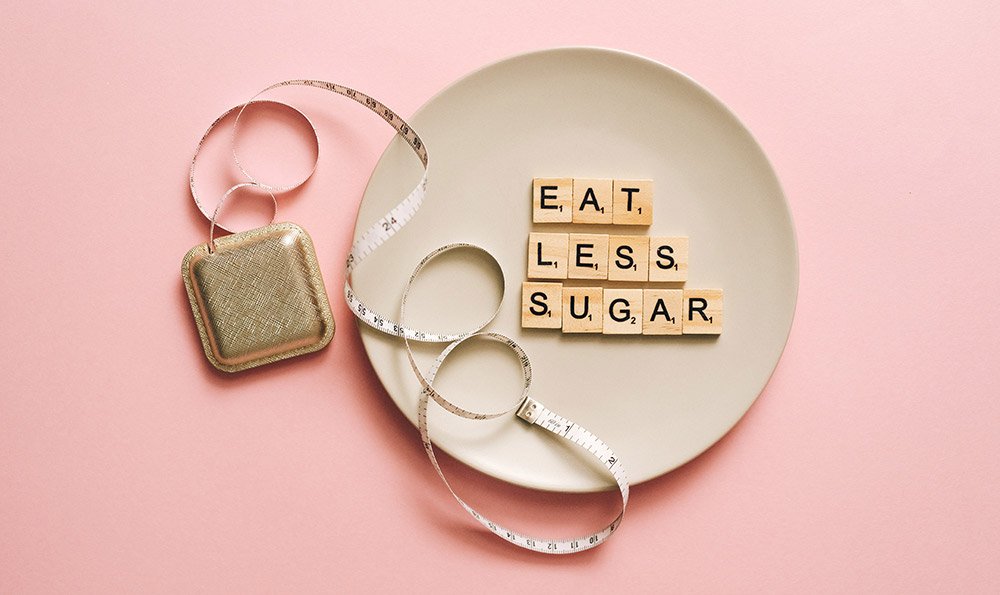
秦昊减肥法是一种有效的减肥方式,其特点是通过合理的饮食控制来达到减肥的目的。在秦昊减肥法中,食物的摄入量起着至关重要的作用。本文将就秦昊减肥法下食物的摄入量进行阐述,旨在帮助读者更好地理解并正确运用这种减肥方法。
一、定义
在秦昊减肥法中,食物的摄入量是指每餐所摄入的食物数量。减肥者需要根据自身的体重、身高、年龄、性别以及身体活动水平等因素,合理确定每餐所需摄入的能量和各类营养素的量。
二、分类
根据热量的摄入量,可以将食物的摄入量分为三类:少量、适量和多量。
1. 少量食物
少量食物指的是能量密度较低、体积较大但热量相对较低的食物。如大部分蔬菜和水果,其富含纤维和维生素,可以提供饱腹感而摄入热量较少。
2. 适量食物
适量食物是指能够提供适量能量和各种营养素的食物。如谷类、豆类、肉类、禽类、鱼类、奶类和蛋类等,这些食物可以提供身体所需的蛋白质、脂肪、碳水化合物等营养物质。
3. 多量食物
多量食物是指热量较高但不宜过量摄入的食物。如糖类、油脂类和高热量零食等,这些食物虽然提供能量,但过多摄入会导致热量超标,不利于减肥。
三、举例
下面以早餐、午餐和晚餐为例,介绍秦昊减肥法下食物的摄入量。
1. 早餐
早餐应包含适量的谷类、蛋白质食物和蔬菜水果。可以选择一碗燕麦粥(谷类)、一个鸡蛋(蛋白质食物)和一份蔬菜沙拉(蔬菜水果),这样既能满足能量需求,又能摄入多种营养素。
2. 午餐
午餐应该搭配适量的谷类、蔬菜、肉类或鱼类等。可以选择一碗米饭(谷类)、一份炒青菜(蔬菜)和一块鸡胸肉或鱼肉(蛋白质食物),这样可以提供所需的能量和营养。
3. 晚餐
晚餐的摄入量应适量,避免过多的碳水化合物摄入。可以选择一份蔬菜汤、一份蒸鱼或煮鸡胸肉,再加上适量的生菜沙拉,这样既能满足营养需求,又不会过多增加热量。
秦昊减肥法下的食物摄入量是根据个人情况而定的,包括体重、身高、年龄、性别和身体活动水平等因素。合理控制食物摄入量,选择适量、多样化的食物,是秦昊减肥法的关键。希望本文能够为读者提供一些减肥方面的参考和启示,帮助更多人健康减肥。
How Much Food to Eat in Qin Hao's Weight Loss Method
Introduction:
Qin Hao's weight loss method is an effective way to lose weight, characterized by controlling diet to achieve the goal of weight loss. In Qin Hao's weight loss method, the amount of food intake plays a crucial role. This article will elaborate on the amount of food intake in Qin Hao's weight loss method, aiming to help readers better understand and correctly apply this weight loss method.
Body:
I. Definition
In Qin Hao's weight loss method, the amount of food intake refers to the quantity of food consumed per meal. Weight loss enthusiasts need to determine the energy and nutrient intake per meal based on factors such as their weight, height, age, gender, and physical activity level.
II. Classification
Based on the calorie intake, the amount of food intake can be divided into three categories: small amount, moderate amount, and large amount.
1. Small amount of food
A small amount of food refers to foods with low energy density, which have a large volume but relatively low calorie content. Examples include most vegetables and fruits, which are rich in fiber and vitamins, providing a sense of fullness while consuming fewer calories.
2. Moderate amount of food
Moderate amount of food refers to foods that provide a moderate amount of energy and various nutrients. Examples include grains, legumes, meat, poultry, fish, dairy products, and eggs, which provide the body with necessary proteins, fats, carbohydrates, and other nutrients.
3. Large amount of food
Large amount of food refers to foods with higher calorie content but should not be consumed excessively. Examples include sugar, oil, and high-calorie snacks. While these foods provide energy, excessive intake can lead to calorie surplus, which is not conducive to weight loss.
III. Examples
Below are examples of food intake in Qin Hao's weight loss method for breakfast, lunch, and dinner.
1. Breakfast
Breakfast should include a moderate amount of grains, protein foods, and vegetables/fruits. For example, one can choose a bowl of oatmeal (grains), a boiled egg (protein food), and a serving of vegetable salad (vegetables/fruits). This can meet the energy requirements and provide a variety of nutrients.
2. Lunch
Lunch should be balanced with a moderate amount of grains, vegetables, and meat or fish. For example, one can choose a bowl of rice (grains), stir-fried vegetables (vegetables), and a piece of chicken breast or fish (protein food). This can provide the required energy and nutrients.
3. Dinner
Dinner should be consumed in moderation, avoiding excessive intake of carbohydrates. One can choose a serving of vegetable soup, steamed fish or boiled chicken breast, accompanied by an appropriate amount of lettuce salad. This can meet the nutritional needs without adding excessive calories.
Conclusion:
In summary, the amount of food intake in Qin Hao's weight loss method depends on individual circumstances, including weight, height, age, gender, and physical activity level. Properly controlling food intake, selecting a moderate and diverse range of foods, is the key to Qin Hao's weight loss method. It is hoped that this article can provide readers with some insights and references in terms of weight loss, helping more people achieve healthy weight loss.