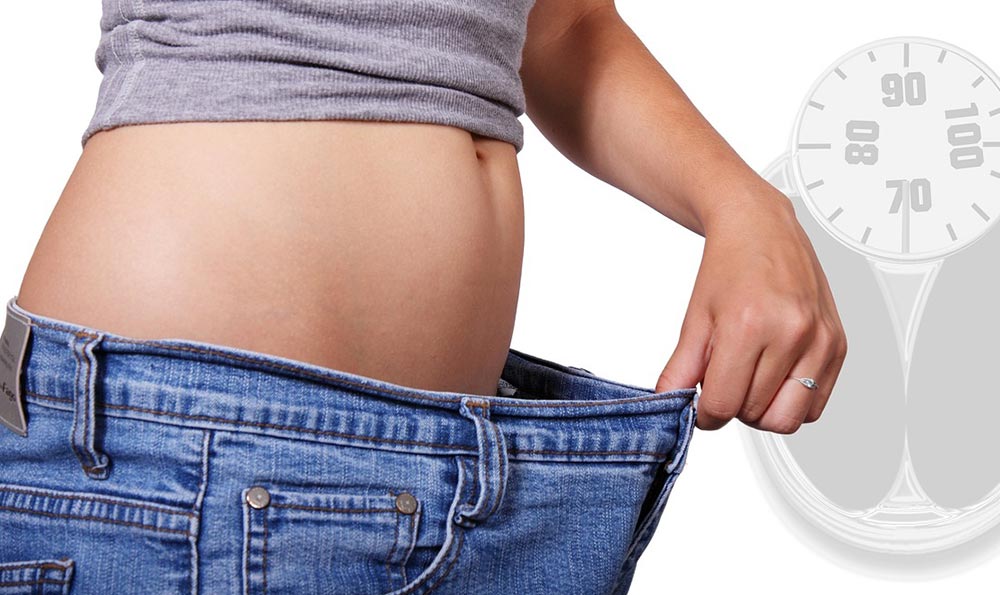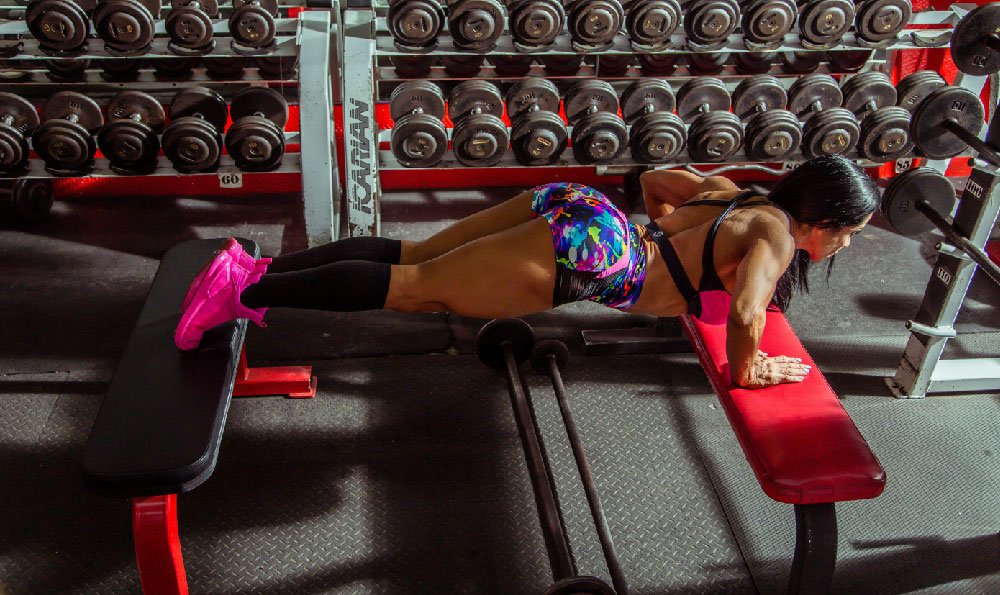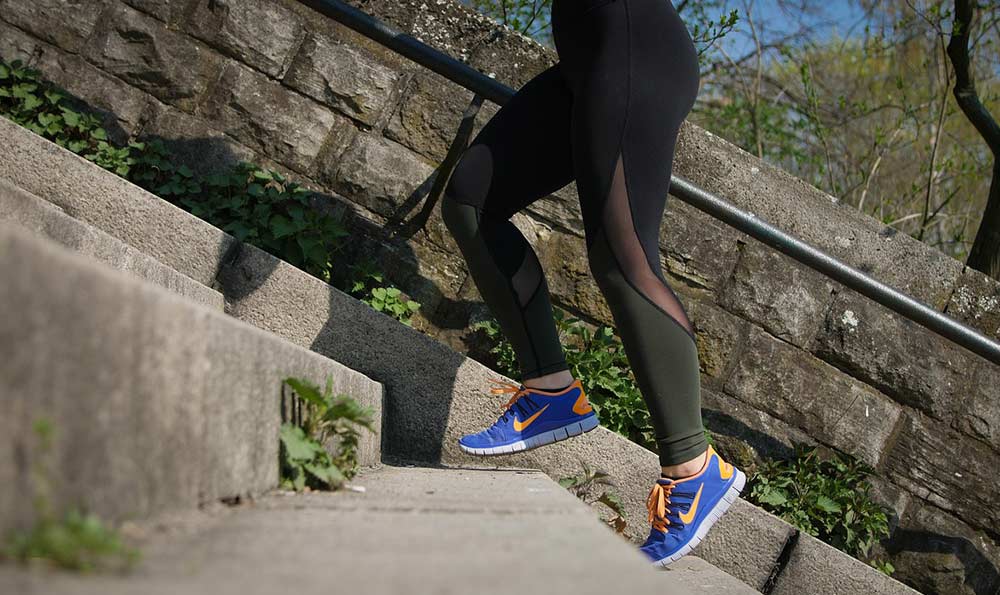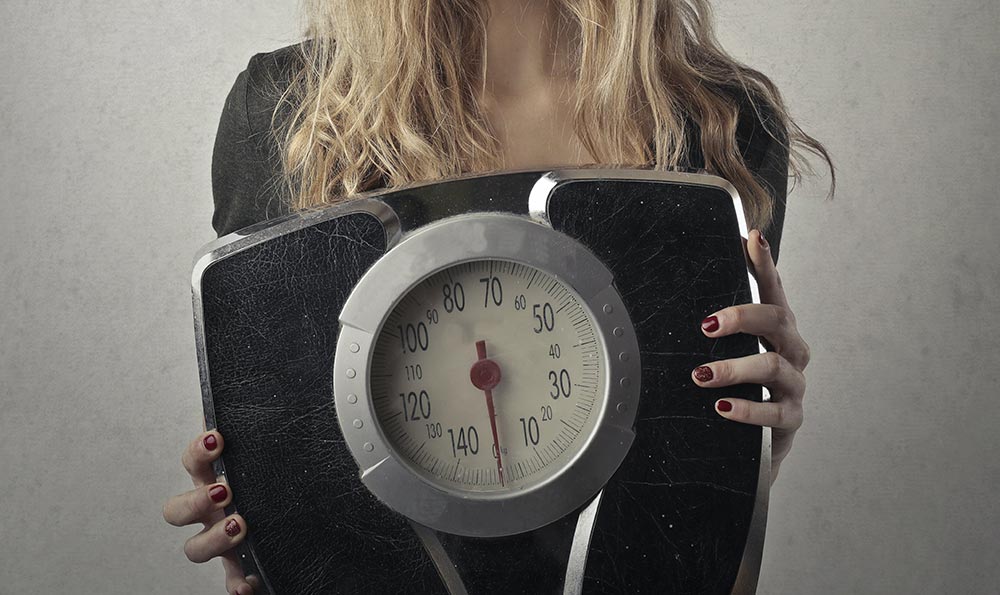
郑多燕减肥操(减肥)是一种通过特定的身体运动来达到减肥效果的方法。这种减肥操由著名健身教练郑多燕创造,经过多年的实践和改进,已经成为一种颇受欢迎和认可的减肥方式。在本文中,我们将从定义、分类、举例和比较等角度来阐述郑多燕减肥操的相关知识。
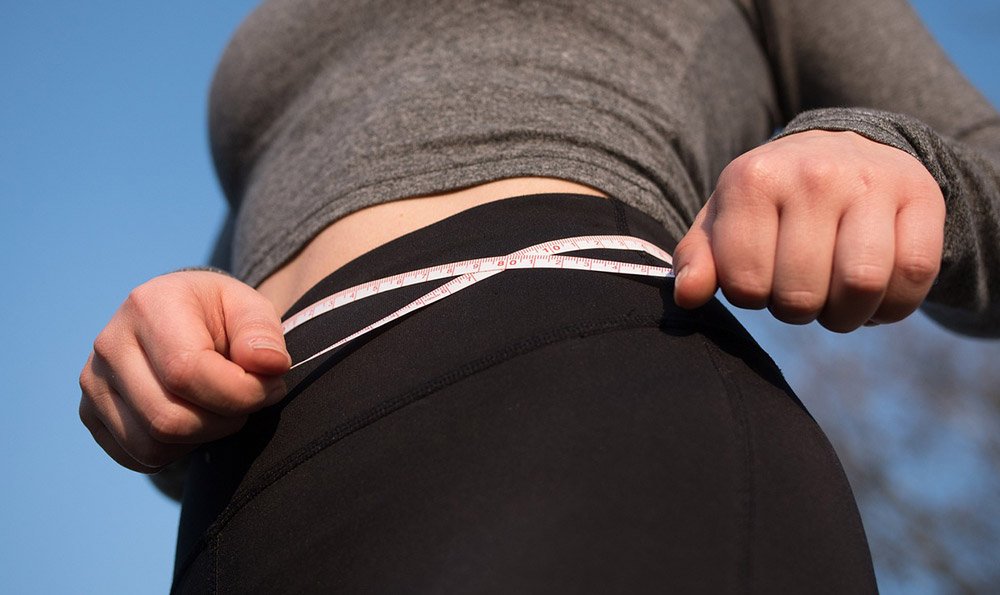
定义上,郑多燕减肥操是一种集合了有氧运动和力量训练的综合性减肥方法。它结合了舞蹈动作、拉伸训练和肌肉锻炼等多种运动方式,通过连贯的节奏和动作来提高身体的代谢率,达到减肥塑形的目的。
从分类上来看,郑多燕减肥操可以分为几个主要类型:基础操、进阶操和专业操。基础操适合初学者和减肥初期的人群,注重基本的动作和节奏感;进阶操则对身体的柔韧性和力量要求更高,主要通过加强难度和组合动作来挑战运动者;专业操则是为那些已经具备一定减肥基础和身体素质的人群准备的,更加复杂和高强度的动作组合和力量训练。
举例来说,郑多燕减肥操中的基础操可以包括一些简单的舞蹈动作,如摇摆、踢腿和扭动腰部等。这些动作通过连续的重复和合拍的音乐,可以有效地燃烧脂肪,加速新陈代谢。而进阶操则可能包括更复杂的动作组合,如跳跃、蹲起和转身等,旨在提高心肺功能和身体的爆发力。专业操则会加入一些器械训练,如哑铃、弹力带和瑜伽球等,以增加力量训练的效果。
比较起来,郑多燕减肥操具有一些明显的优势。它适用于不同年龄和体质的人群,无论是减肥初学者还是已经有一定基础的人士都可以选择合适的操练级别。郑多燕减肥操的动作简单明了,容易上手,无需太多的器械和场地,使得减肥变得更加便捷和实用。每天只需要花费30分钟左右的时间,就可以进行一次完整的操练,时间经济性非常高。
郑多燕减肥操作为一种有效的减肥方式,得到了广大减肥者的认可和喜爱。它的定义上包含了多种运动方式,分类上有基础操、进阶操和专业操等不同级别,举例上包括了简单的舞蹈动作和复杂的器械训练,而比较上具备了适用性广、简单易学和时间经济的优势。通过郑多燕减肥操的运动方式,人们可以更加轻松地在家中进行减肥训练,实现健康减肥的目标。
郑多燕燃烧脂肪瘦全身

郑多燕燃烧脂肪瘦全身是一种有效的健身方法,通过特定的动作和有氧运动,帮助人们减少脂肪并塑造理想的身材。本文将介绍郑多燕燃烧脂肪瘦全身的相关知识,包括定义、分类、举例和比较等方法。
正文:
郑多燕燃烧脂肪瘦全身是一种全身性的有氧运动,通过一系列动作,利用身体的自重和肌肉的协同运动,加强心肺功能,达到减脂和塑形的目的。郑多燕燃烧脂肪瘦全身通常包括一些基本动作,如踢腿、扩胸、转体等。这些动作可以刺激脂肪燃烧,同时还能锻炼到身体的各个部位,如臀部、腹部、腿部等。
在郑多燕燃烧脂肪瘦全身的运动中,可以根据动作的难度和强度分为不同的级别。初级级别适合初学者,动作简单易学,减少了运动带来的肌肉酸痛感。中级级别增加了动作的复杂性,更加注重协调性和力量的发挥。高级级别则是更加考验身体的灵活性和耐力,动作组合更为复杂,可以挑战更强的运动能力。
举例来说,我们可以看到初级级别的郑多燕燃烧脂肪瘦全身动作包括了踢腿、抬胳膊、扭腰等简单的动作。这些动作可以帮助初学者逐渐适应运动的强度,并逐渐提升身体的耐力和力量。中级级别的动作则在初级的基础上增加了难度,如双腿踢高、摆臂转体等。高级级别的动作则更加复杂,如开腿跳、身体螺旋等动作,需要身体的灵活性和耐力。
相较于其他减肥方法,郑多燕燃烧脂肪瘦全身的优势在于它可以全面锻炼身体的各个部位。通过动作的组合,可以让不同的肌肉群得到锻炼。郑多燕燃烧脂肪瘦全身也能够增强心血管功能,提高代谢水平,促进脂肪的燃烧。相比于传统的有氧运动,郑多燕燃烧脂肪瘦全身通过动作组合的方式,更能够激发身体的潜能,达到更好的减脂效果。
郑多燕燃烧脂肪瘦全身是一种客观、专业、清晰和系统的健身方法。不同级别的动作可以适应不同人群的运动需求,帮助人们减少脂肪并塑造理想的身材。通过全面锻炼身体的各个部位和提高心肺功能,郑多燕燃烧脂肪瘦全身成为了一种受欢迎的健身方式。
减肥
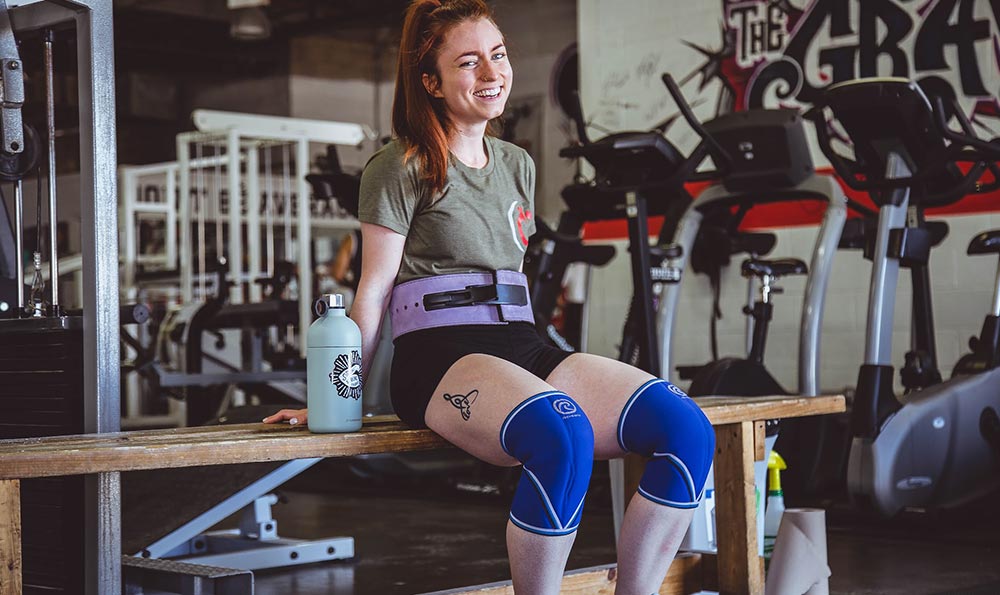
减肥是现代社会中备受关注的话题,越来越多的人在追求健康和美丽的也开始关注自身体重的管理。减肥行业因此迅速发展起来,各种减肥产品、减肥方法层出不穷。本文将客观、专业、清晰和系统地阐述减肥的相关知识,通过定义、分类、举例和比较等方法来呈现减肥行业的全貌。
一、减肥的定义与目的
减肥,顾名思义就是通过某种方式减少体内的脂肪和重量。其主要目的是改善身体状态,促进健康,并提升个人形象和自信心。减肥可以帮助人们预防和控制肥胖相关疾病,如心血管疾病、糖尿病等。
二、减肥的分类与方法
1. 饮食控制:减肥最基本的方法是通过合理的饮食控制实现。这包括控制热量摄入、合理安排膳食结构以及避免暴饮暴食等。节制摄入高热量、高脂肪食物,增加蔬菜水果和蛋白质的摄入量等。
2. 运动减肥:运动是减肥的重要手段之一。适当的运动可以增加能量消耗,加速脂肪燃烧。常见的运动减肥方式包括有氧运动、力量训练和瑜伽等。举个例子,晨跑、游泳和打篮球都是常见的运动减肥方式。
3. 药物减肥:部分人采用药物来辅助减肥,如食欲抑制剂、脂肪吸收抑制剂等。药物减肥存在一定风险,需在医生指导下使用,并且副作用需引起重视。
4. 医疗减肥:对于病态肥胖者,医疗减肥是一种有效的方式,如通过手术减肥或使用胃肠道装置等。这样的干预可以帮助病人迅速减重,减少相关疾病的风险。
三、不同减肥方法的比较
1. 饮食控制与运动减肥:饮食控制是减肥的基础,而运动减肥可以帮助增加能量消耗。综合两种方法可以取得更好的减肥效果。控制膳食的每天进行适量的运动。
2. 药物减肥与医疗减肥:药物减肥可以快速减重,但存在一定的风险和副作用。对于病态肥胖者,医疗减肥可能是更可靠的选择,但需在医生的指导下进行。
减肥行业的快速发展表明人们越来越关注健康和美丽,同时也意识到减肥对于预防和控制疾病的重要性。通过饮食控制、运动减肥、药物减肥和医疗减肥等多种方法,人们可以根据自身情况选择适合的减肥方式。在追求瘦身之余,我们也应该注重健康和科学减肥,从而实现身体的平衡与美丽。
Reducing Body Weight: A Comprehensive Insight into the Weight Loss Industry
Introduction:
Weight loss has become an increasingly popular topic in modern society. More and more people are not only concerned about their health and well-being but also pay attention to managing their body weight. Consequently, the weight loss industry has seen rapid growth, with various products and methods flooding the market. This article aims to provide an objective, professional, clear, and systematic examination of weight loss by utilizing definitions, classifications, examples, and comparisons.
Body:
1. Definition and Purpose of Weight Loss
Weight loss, as its name implies, refers to the process of reducing body fat and weight through various means. Its primary purpose is to improve overall physical well-being, promote health, and enhance personal image and self-confidence. Weight loss also aids in the prevention and control of obesity-related illnesses such as cardiovascular diseases and diabetes.
2. Classification and Methods of Weight Loss
1) Dietary Control: The most fundamental way to lose weight is through proper dietary control. This includes managing calorie intake, arranging a balanced diet, and avoiding binge eating. Examples of dietary control measures include limiting the consumption of high-calorie and high-fat foods while increasing intake of vegetables, fruits, and proteins.
2) Exercise for Weight Loss: Exercise is a crucial component of weight loss. Engaging in appropriate physical activities can increase energy expenditure and accelerate fat burning. Common exercise methods for weight loss include aerobic exercises, strength training, and yoga. Examples of these exercises include jogging in the morning, swimming, and playing basketball.
3) Pharmaceutical Approaches: Some individuals opt to use medications as an adjunct to weight loss, such as appetite suppressants and fat absorption inhibitors. However, pharmaceutical weight loss methods carry certain risks and should be used under the guidance of a medical professional, with side effects requiring careful consideration.
4) Medical Interventions: Medical interventions, such as weight loss surgeries or the use of gastrointestinal devices, are effective measures for individuals with pathological obesity. These interventions facilitate rapid weight loss and reduce the risk of obesity-related illnesses.
Comparison of Different Weight Loss Methods
1) Dietary Control versus Exercise for Weight Loss: Dietary control forms the foundation of weight loss, while exercise aids in increasing energy expenditure. Combining both methods can achieve better weight loss results. For instance, one can control their diet while engaging in moderate daily exercise.
2) Pharmaceutical Approaches versus Medical Interventions: Pharmaceutical weight loss methods may lead to rapid weight loss but come with certain risks and side effects. For individuals with pathological obesity, medical interventions might be the more reliable option which should be conducted under the supervision of a medical professional.
Conclusion:
The rapid growth of the weight loss industry demonstrates society's increasing concern about health and beauty, as well as the acknowledgment of the importance of weight loss in preventing and controlling diseases. Through dietary control, exercise, pharmaceutical approaches, and medical interventions, individuals can choose the weight loss methods that suit them best. Although striving for a slender figure, it is important to prioritize healthy and scientific weight loss, achieving a balance between physical well-being and beauty.