
虾仁作为一种常见的海鲜食材,不仅味道鲜美,而且蛋白质含量丰富,是许多人减肥时的首选。虾仁的热量到底高不高?它能否成为减肥饮食中的良好选择?本文将客观、专业、清晰和系统地阐述虾仁的减肥做法以及其热量问题。
虾仁的减肥做法:
虾仁是一种低脂、高蛋白质的食材,对于减肥来说非常理想。在进行虾仁的减肥做法时,有几个关键点需要注意。
选择新鲜的虾仁非常重要。新鲜的虾仁口感更佳,而且营养价值更高。可以选择在市场上直接购买新鲜的虾仁,或者购买速冻虾仁。无论是哪种选择,都需要确保虾仁没有变质或者过期。
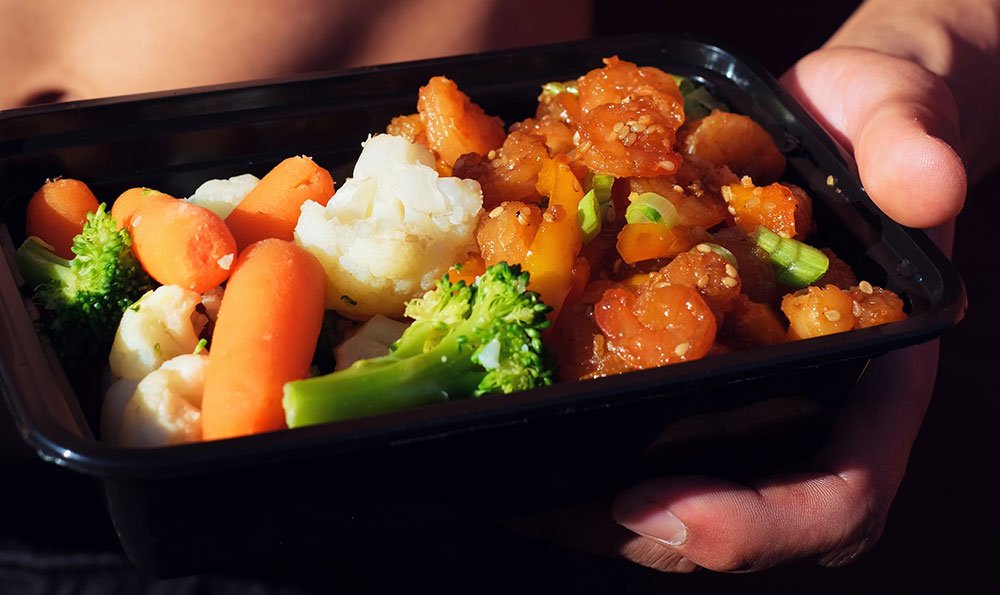
减肥时烹饪虾仁的方式也非常重要。虾仁可以用沸水焯水煮熟,这样可以去除多余的油脂,保持虾仁的原味。也可以将虾仁拌入凉拌菜或者沙拉中,增加饱腹感。避免使用过多的油脂和淀粉类食材,以免增加热量摄入。
控制虾仁的食用量也是减肥的关键。虾仁的热量虽然相对较低,但过量食用仍然会增加热量摄入,逆反减肥效果。建议每次食用虾仁的量控制在适量范围内,同时搭配其他蔬菜和粗粮,以保证均衡饮食。
虾仁的热量高不高:
虾仁的热量与其食用量和烹饪方式有关。虾仁的热量较低,适宜减肥时食用。
以100克生虾仁为例,其热量约为84千卡。相比之下,同样重量的猪肉的热量大约是250千卡。虾仁中的蛋白质含量相对较高,可以提供饱腹感,同时不会过多增加热量摄入。
虾仁的热量也与烹饪方式有关。如果使用过多的油脂或者淀粉类食材进行炒制或者油炸,虾仁的热量就会增加。在减肥时建议选择低热量的烹饪方式,如清蒸、水煮或者拌入沙拉中食用。
虾仁作为一种低脂、高蛋白质的食材,适合减肥时的食用。通过选择新鲜的虾仁、注意烹饪方式以及控制食用量,可以最大限度地享受虾仁的美味,同时达到减肥的目的。虾仁的热量较低,在适量食用的前提下,不会给减肥带来太大的负担。相信通过本文的介绍,读者对于虾仁的减肥做法和热量问题有了更清晰的了解。
晚上吃虾仁会发胖吗
晚餐是一天中最后一顿正餐,许多人常常担心晚上摄入的食物会导致体重增加。虾仁作为一种低热量高蛋白的食物,其是否会引起发胖成为了人们关注的话题。本文将以客观和专业的角度,通过定义、分类、举例和比较等方法,详细阐述晚上吃虾仁是否会发胖。
定义虾仁:
虾仁是指从虾身上取下的肉块,富含丰富的蛋白质和维生素,同时也含有一定的脂肪和胆固醇。虾仁的热量相对较低,每100克虾仁的热量约为90-100卡路里,非常适合作为低热量的食物摄入。
虾仁的分类:
根据不同的加工和烹饪方法,虾仁可以分为鲜虾仁、冻虾仁、糖醋虾仁、蒜香虾仁等多种种类。无论是鲜虾仁还是经过加工的虾仁,其营养成分变化不大,主要差异在于烹饪过程中所添加的调味料和食用量。
晚上吃虾仁的影响:
对于晚上吃虾仁是否会发胖的疑问,首先体重的增加与摄入的总热量有关,而不仅仅是某种食物的摄入。虾仁作为低热量食物,如果在晚餐中适量食用并合理搭配其他食物,不会增加太多的热量摄入。虾仁富含蛋白质,可以提供饱腹感,减少进食其他高热量食物的欲望,因此在一定程度上有助于控制晚餐总热量。
比较虾仁与其他食物:
相对于一些高热量的晚餐食物,如米饭、面食等淀粉类食物,虾仁的热量更低。以每100克的摄入量计算,虾仁的热量远远低于同等重量的米饭。如果在晚餐中选择虾仁作为主要蛋白质来源,可以有效降低摄入的总热量,有利于控制体重。
举例说明晚上吃虾仁的结果:
以一个晚餐菜肴为例,如果选择一道糖醋虾仁,其中含有约100克虾仁,糖醋酱汁约20克,蔬菜约200克。总热量计算下来大约为250-300卡路里。相对于其他高热量的晚餐菜肴,如红烧肉,其热量往往超过500卡路里。晚上食用虾仁在控制热量和减肥方面是一个更好的选择。
晚上吃虾仁不会直接导致发胖。虾仁作为低热量高蛋白的食物,可以提供丰富的营养,并在晚餐中提供饱腹感。合理搭配其他食物,适量摄入虾仁有助于控制摄入的总热量,从而有助于减肥和保持健康体重。选择虾仁作为晚餐的主要蛋白质来源,是一个明智的选择。
虾仁热量高不高
虾仁作为一种常见的海鲜食材,受到了广大消费者的喜爱。对于关注健康的人群来说,虾仁的热量成为了一个较为重要的问题。虾仁的热量究竟高不高呢?本文将通过定义、分类、举例和比较等方法,客观、专业地阐述虾仁的热量问题。
正文:
1. 定义虾仁的热量
虾仁热量是指单位重量虾仁所含的能量。在食品学中,热量往往以卡(calorie)为单位进行表示。虾仁中的热量主要来源于其所含的蛋白质、脂肪和碳水化合物。
2. 分类虾仁的热量高低
虾仁的热量可以根据其种类和加工方式进行分类。按照种类来看,常见的虾仁有明虾、对虾、基围虾等。不同种类的虾仁在体型和养殖环境等方面存在差异,因此其热量也有所不同。虾仁的加工方式也会对其热量产生影响,如鲜虾、蒸虾、煮虾和炒虾等不同的烹饪方法会导致虾仁热量的变化。
3. 举例说明虾仁的热量水平
以常见的大明虾为例,每100克大明虾的热量约为90千卡,其中蛋白质占比较高,脂肪和碳水化合物含量相对较低。与之相比,同样是海鲜食材的三文鱼每100克的热量约为200千卡,而牛肉每100克的热量约为250千卡。这一比较可以看出,相对于其他肉类食材,虾仁的热量较低。
4. 比较虾仁和其他食材的热量
虾仁与其他肉类食材相比,热量相对较低。以相同重量的肉类食材来对比,虾仁的热量明显更低。与一些常见的主食和零食相比,虾仁的热量也相对较低。相同重量的白米饭热量约为140千卡,而虾仁的热量仅为其一半左右。这种比较可以帮助人们更好地了解虾仁的热量水平。
本文通过定义、分类、举例和比较等方法,客观、专业地阐述了虾仁热量的相关知识。虾仁相对于其他肉类食材其热量较低,可以作为健康饮食的一种选择。对于需要低热量摄入的人群来说,虾仁的摄入量仍需适度。对于控制热量摄入的人群来说,了解食材的热量水平是十分重要的。
参考译文:
Is Shrimp High or Low in Calories?
Introduction:
Shrimp, as a common seafood ingredient, is loved by many consumers. However, for people who pay attention to health, shrimp's calorie content becomes an important issue. So, is shrimp high or low in calories? This article will objectively and professionally explain the calorie content of shrimp using methods such as definition, classification, examples, and comparison.
Body:
1. Defining the calorie content of shrimp:
The calorie content of shrimp refers to the energy contained in a unit weight of shrimp. In food science, calories are often expressed in units of calories (cal). The calorie content in shrimp mainly comes from its protein, fat, and carbohydrates.
2. Classifying the calorie content of shrimp:
The calorie content of shrimp can be classified based on its variety and processing method. In terms of variety, common types of shrimp include Pacific white shrimp, tiger prawn, and king prawn. Different types of shrimp have differences in body size and farming conditions, leading to variations in their calorie content. In addition, the cooking method used for shrimp also affects its calorie content. Different cooking methods such as fresh shrimp, steamed shrimp, boiled shrimp, and fried shrimp can result in changes in the calorie content of shrimp.
3. Providing examples to illustrate the calorie levels of shrimp:
Taking the common Pacific white shrimp as an example, the calorie content is approximately 90 kcal per 100 grams. Protein accounts for a relatively high proportion, while the fat and carbohydrate content are relatively low. Compared to other seafood ingredients, salmon has a calorie content of approximately 200 kcal per 100 grams, and beef has a calorie content of approximately 250 kcal per 100 grams. This comparison shows that shrimp has a lower calorie content compared to other meat ingredients.
4. Comparing the calorie content of shrimp with other ingredients:
Compared to other meat ingredients, shrimp has a relatively low calorie content. Comparing shrimp with an equal weight of meat ingredients, shrimp has significantly lower calorie content. In addition, compared to some common staple foods and snacks, shrimp also has a relatively low calorie content. For example, the calorie content of an equal weight of white rice is approximately 140 kcal, while shrimp has only about half the calorie content. This comparison helps people have a better understanding of the calorie level of shrimp.
Conclusion:
This article objectively and professionally explains the knowledge related to the calorie content of shrimp using methods such as definition, classification, examples, and comparison. Shrimp has a lower calorie content compared to other meat ingredients and can be considered a healthy dietary choice. However, for individuals who need to control their calorie intake, the consumption of shrimp should still be moderate. Understanding the calorie content of ingredients is essential for those who aim to control their calorie intake.