
在现代社会中,小学生肥胖问题日益严重,给他们的身心健康带来了许多负面影响。针对这一问题,小学生食谱减肥和小学生营养早餐店应运而生。本文将通过定义、分类、举例和比较等方法来系统阐述这一新兴行业的相关知识。
一、小学生食谱减肥的定义和分类
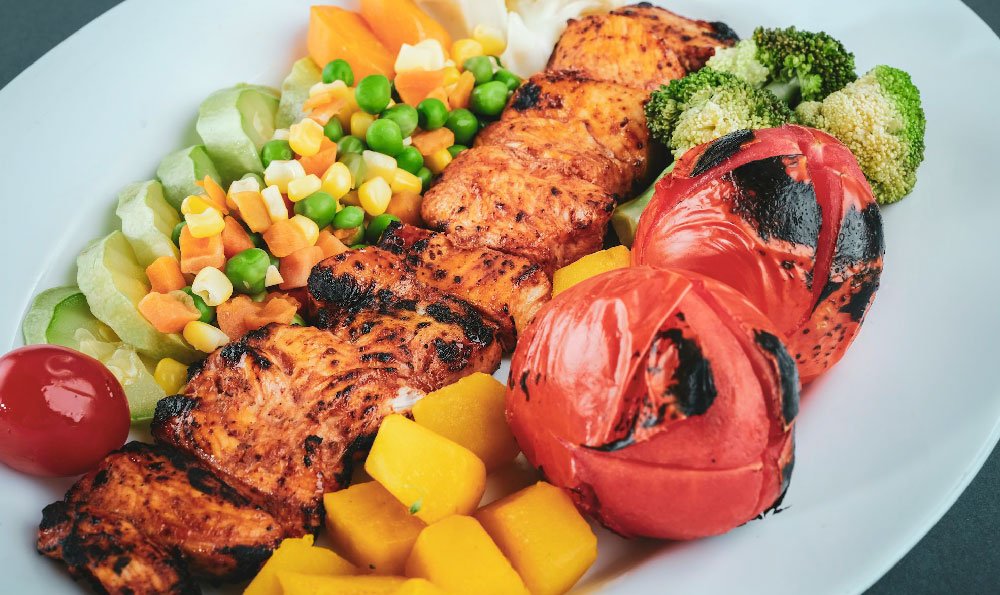
小学生食谱减肥是指为小学生制定合理、科学的饮食方案,以达到减肥和保持健康的目的。根据不同的减肥方式,可以将小学生食谱减肥分为低碳水化合物、低脂肪、低糖等不同类型。对于体重超标的小学生可采用低脂肪饮食,控制脂肪的摄入量,以达到减肥的效果。
二、小学生营养早餐店的定义和特点
小学生营养早餐店是专门为小学生提供营养丰富、均衡的早餐的餐饮场所。其特点是根据小学生的身体发育特点和膳食需求,科学搭配食材,提供包含蛋白质、脂肪、碳水化合物、维生素和矿物质等各类营养素的早餐。小学生营养早餐店还注重食物的口感和色彩,以吸引小学生的食欲,促进他们的健康成长。
三、小学生食谱减肥与小学生营养早餐店的关系
小学生食谱减肥和小学生营养早餐店是相辅相成的。小学生食谱减肥为小学生制定了科学合理的饮食方案,而小学生营养早餐店则为小学生提供了符合食谱要求的早餐选择。小学生可以在早餐店选择适合他们减肥需求的食物,保证早餐的营养均衡并满足减肥目标。
四、小学生食谱减肥和小学生营养早餐店的实施效果
小学生食谱减肥和小学生营养早餐店的实施对小学生的健康发展具有积极影响。经过科学合理的食谱减肥和营养早餐的摄入,小学生的体重可以得到控制,身体健康得到改善。均衡的营养摄入还可以提高小学生的学习能力和免疫力,促进他们全面发展。
小学生食谱减肥和小学生营养早餐店为小学生提供了科学、合理的减肥和营养方案。通过减肥和营养早餐的实施,小学生可以更好地管理自己的体重和健康,促进全面发展。这一新兴行业的发展为解决小学生肥胖问题提供了有效的途径和方法。希望未来能有越来越多的小学生食谱减肥和小学生营养早餐店出现,为小学生的健康成长保驾护航。
小学生营养早餐店

小学生营养早餐店是为满足小学生营养需求而专门提供早餐的店铺。它注重提供营养均衡、口感丰富的食物,以满足小学生早餐摄取的需要。本文将通过定义、分类、举例和比较等方法来进一步阐述小学生营养早餐店的相关知识。
一、定义
小学生营养早餐店是一种专门为小学生提供早餐的食品店铺,其主要目的是为了满足小学生在学校或家庭无法得到充足营养的需求。这种店铺通常提供多样化的食物选择,包括早餐主食、蔬菜水果、奶制品等,以满足小学生所需的各种营养元素。
二、分类
小学生营养早餐店可根据提供的食物种类进行分类。有些店铺专门提供传统的早餐主食,如米粉、稀饭、包子等;有些店铺则注重提供蔬菜水果,如鲜果沙拉、蔬菜汤等;还有些店铺则提供奶制品,如酸奶、牛奶等。这样的分类可以满足不同小学生对早餐口味和食物种类的需求。
三、举例
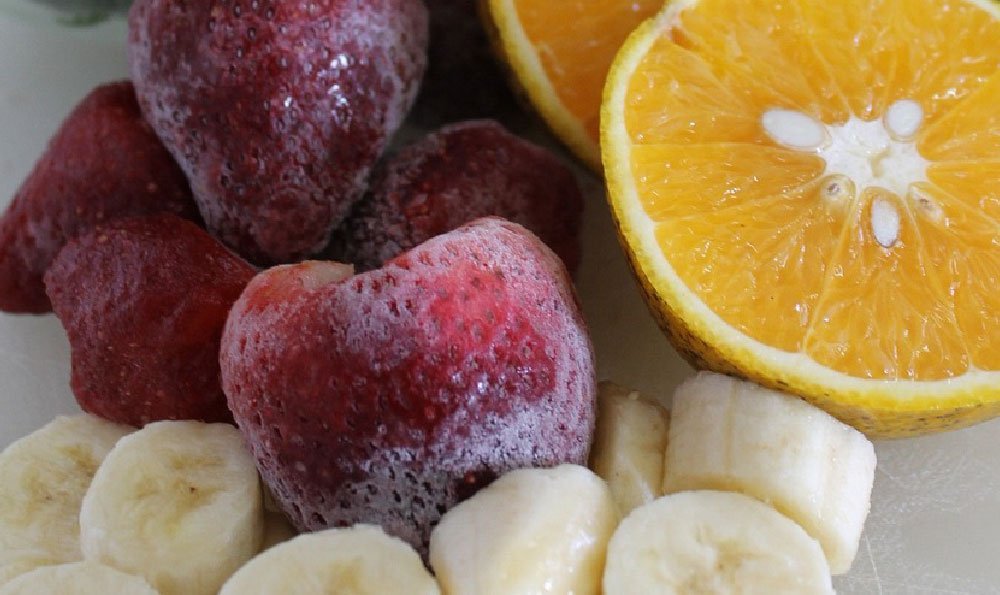
小学生营养早餐店的食物种类多样,下面将通过几个例子来具体说明。有些店铺提供的早餐主食丰富多样,例如小笼包、馄饨、饼类等,这些食物可以为小学生提供所需的碳水化合物。还有一些店铺专注于提供蔬菜水果,例如水果沙拉、蔬菜汤等,这些食物富含维生素和纤维素,有助于小学生的健康发育。一些小学生营养早餐店还提供奶制品,例如酸奶、牛奶等,这些食物富含蛋白质和钙,有助于小学生的骨骼生长。
四、比较
小学生营养早餐店与普通早餐店相比,更注重提供营养均衡的食物。普通早餐店的食物种类繁多,但往往偏重于油腻和高热量食物,如油条、煎饼等。而小学生营养早餐店则更加注重提供健康、营养的食物选择,如蔬菜水果、奶制品等。小学生营养早餐店在制作过程中也更加注重食品的卫生和安全,以保证小学生食用的健康和安全。
小学生营养早餐店通过提供多样化的食物选择,满足小学生在学校或家庭无法得到充足营养的需求。这些店铺不仅提供传统的早餐主食,还注重提供蔬菜水果和奶制品,以满足小学生对各种营养元素的需求。相比普通早餐店,小学生营养早餐店更注重提供健康、营养的食物选择,让小学生在早上开始一天的学习和生活之前就能摄取到充足的营养。
学生补脑食谱100样

学生是社会的他们的学习效果直接关系到国家的未来发展。很多学生出现了注意力不集中、思维迟钝等问题,影响了他们的学习成绩和学习效果。为了提高学生的学习能力,科学家和教育专家们研究出了一系列的学生补脑食谱。本文将为您介绍100种学生补脑食谱,并通过定义、分类、举例和比较等方法,全面阐述相关知识。
正文:
一、进食全谷类食物
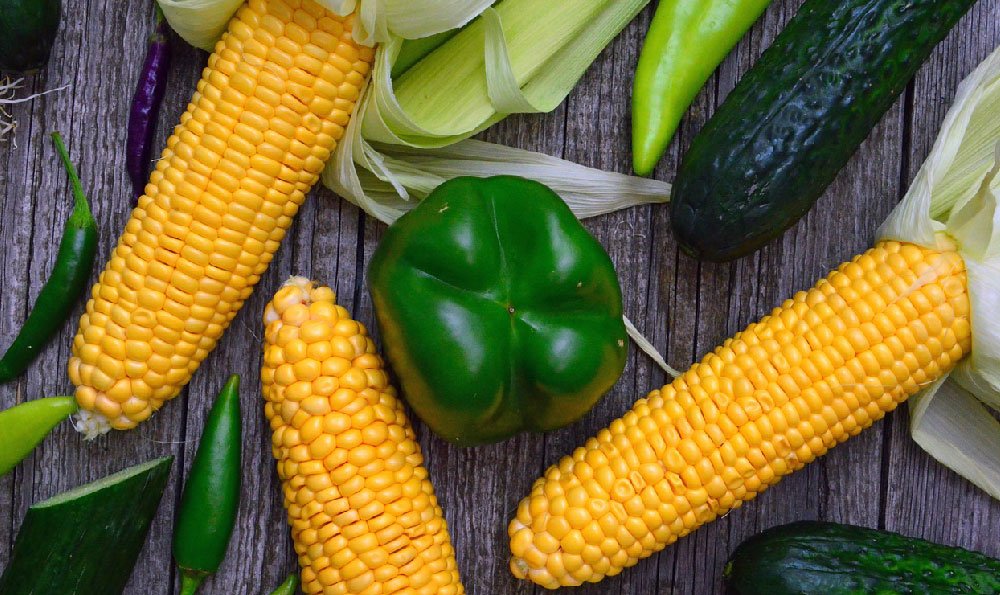
全谷类食物含有丰富的蛋白质、维生素和矿物质,对学生的大脑发育和学习能力有着重要的影响。全谷类食物可以分为小麦类、杂粮类和米类。燕麦、玉米、大米等都是优质的全谷类食物,可以为学生提供丰富的营养。
二、摄入富含脂肪的食物
脂肪是大脑重要的能量来源,也是神经细胞膜的构成成分。学生可以选择富含不饱和脂肪酸的食物,如鱼、坚果和橄榄油等。这些食物不仅可以提供大脑所需的营养,还有助于改善学生的情绪和注意力。
三、摄入富含蛋白质的食物
蛋白质是学生大脑发育所必需的重要营养素。鸡蛋、鱼类、豆类等富含蛋白质的食物可以提供所需的氨基酸,促进脑部神经细胞的生长发育,改善学生的智力和记忆力。
四、补充维生素和矿物质
维生素和矿物质对学生的大脑发育和学习效果有着重要的影响。学生可以摄入富含维生素C的食物,如柑橘类水果,以增强免疫力和提高学习能力。含锌、铁、钙等矿物质丰富的食物也是学生所需。
五、适量摄入低脂奶制品
适量摄入低脂奶制品有助于学生获得所需的蛋白质、钙和维生素D。牛奶、酸奶等产品可以为学生提供充足的营养,促进学生骨骼的发育和大脑功能的提高。
六、合理搭配多样化的食物
学生应该根据自身需求,合理搭配多样化的食物。每天摄入五谷杂粮、蔬菜水果、优质蛋白质和奶制品等,才能保证学生获得全面的营养,提高学习能力和学习效果。
学生补脑食谱涉及到多个方面的知识,包括全谷类食物、脂肪、蛋白质、维生素和矿物质等。合理摄入这些食物可以为学生提供营养,改善学习能力和学习效果。学生和家长应该注意食物的选择和搭配,切实改善学生的饮食结构,为学生的健康和学习成果提供保障。
参考译文:
Student Brain-Boosting Recipes: 100 Varieties
Introduction:
Students are the future of society, and their academic performance directly impacts the future development of a country. However, in recent years, many students have experienced problems such as lack of concentration and slow thinking, which have affected their academic achievements and learning outcomes. In order to improve students' learning abilities, scientists and educational experts have researched a series of student brain-boosting recipes. This article will introduce 100 varieties of student brain-boosting recipes and use methods such as definition, classification, examples, and comparisons to comprehensively explain the relevant knowledge.
Body:
1. Consuming Whole Grain Foods
Whole grain foods contain abundant proteins, vitamins, and minerals that are crucial for brain development and learning abilities. Whole grains can be categorized into wheat, miscellaneous grains, and rice. For example, oats, corn, and rice are quality whole grain foods that provide students with rich nutrition.
2. Including Foods Rich in Fats
Fats are an important energy source for the brain and are also components of nerve cell membranes. Students can choose foods rich in unsaturated fatty acids, such as fish, nuts, and olive oil. These foods not only provide the necessary nutrition for the brain but also help improve students' mood and attention.
3. Consuming Foods Rich in Protein
Protein is a vital nutrient necessary for students' brain development. Protein-rich foods such as eggs, fish, and beans provide the required amino acids, promoting the growth and development of brain neurons, improving students' intelligence and memory.
4. Supplementing with Vitamins and Minerals
Vitamins and minerals have a significant impact on brain development and learning outcomes. Students can consume foods rich in vitamin C, such as citrus fruits, to enhance their immune system and improve learning abilities. Additionally, foods rich in minerals such as zinc, iron, and calcium are essential for students' needs.
5. Moderate Intake of Low-Fat Dairy Products
Moderate intake of low-fat dairy products helps students obtain the necessary protein, calcium, and vitamin D. Milk, yogurt, and other dairy products provide students with sufficient nutrition, promoting bone development and brain function improvement.
6. Properly Combining Diverse Foods
Students should make proper food combinations based on their needs. Consuming a variety of foods such as whole grains, vegetables, fruits, high-quality proteins, and dairy products daily ensures students receive comprehensive nutrition, enhancing their learning abilities and outcomes.
Conclusion:
Student brain-boosting recipes involve various aspects of knowledge, including whole grain foods, fats, proteins, vitamins, and minerals. Proper intake of these foods provides students with nutrition, improving their learning abilities and outcomes. Therefore, students and parents should pay attention to food selection and combinations, effectively improving students' dietary structure and ensuring their health and academic achievements.