脑梗塞是一种常见的神经系统疾病,严重影响人们的身体健康和生活质量。随着现代生活方式的改变和饮食结构的不断变化,脑梗塞越来越成为我们需要关注和预防的疾病之一。在脑梗塞的饮食减肥法中,选择正确的食物对预防和缓解脑梗塞起着重要作用。本文将从饮食的角度探讨哪些食物对脑梗塞有帮助。

脑梗塞饮食减肥法中,含有丰富纤维的食物对脑梗塞具有促进作用。纤维是一种不被人体消化吸收的食物成分,主要存在于植物食物中,如水果、蔬菜、全谷类食物等。纤维能够增加饱腹感,降低饮食能量密度,有助于减肥。纤维还能减少胆固醇的吸收,预防动脉硬化,间接预防脑梗塞的发生。
饮食中富含omega-3脂肪酸的食物也对脑梗塞有帮助。omega-3脂肪酸是一种不饱和脂肪酸,能够降低血液中的甘油三酯和胆固醇水平,减少血液黏稠度,改善血液循环,预防血栓形成。富含omega-3脂肪酸的食物主要有鱼类、坚果和亚麻籽等。适量摄入这些食物可以帮助降低脑梗塞的风险。
含有丰富维生素和矿物质的食物也在脑梗塞饮食减肥法中起到重要的作用。维生素和矿物质是维持人体正常生理功能的重要营养素,对预防脑梗塞有重要贡献。维生素C和维生素E具有抗氧化作用,能够降低脑梗塞的风险。含有维生素C的食物包括柑橘类水果,含有维生素E的食物包括坚果和种子。矿物质如钾、镁和钙也对预防脑梗塞发挥重要作用,合理补充含有这些营养素的食物可以维持血压稳定,预防脑梗塞的发生。
脑梗塞饮食减肥法中的合理食物选择对预防和缓解脑梗塞具有重要意义。纤维、omega-3脂肪酸以及富含维生素和矿物质的食物都是脑梗塞饮食减肥法中的理想选择。通过科学合理的饮食结构,我们可以更好地预防脑梗塞的发生,维护自己的健康和幸福生活。
吃什么对脑梗塞有帮助
在当今高速发展的社会中,脑梗塞已成为一种常见而严重的健康问题。脑梗塞是由于脑血管的阻塞导致脑部缺血而引起的。我们应该通过饮食来预防和改善脑梗塞呢?本文将从食物的角度探讨吃什么对脑梗塞有帮助。
正文:
一、富含纤维的食物
纤维是一种对心脏健康和预防脑梗塞有益的重要营养物质。高纤维食物可以降低胆固醇水平,减少动脉硬化的风险,从而预防脑梗塞的发生。水果、蔬菜、全谷物食品和豆类都是富含纤维的良好选择。饮食中适量的水分摄入也有助于纤维的吸收和排泄。
二、含有omega-3脂肪酸的食物
omega-3脂肪酸是一种对心脑血管健康有益的重要脂类。它们可以减少血液的凝结性,降低血液黏稠度,从而预防脑梗塞的发生。鱼类(如鲑鱼、金枪鱼)和植物油(如亚麻籽油、橄榄油)都富含omega-3脂肪酸,可作为饮食中的良好来源。
三、富含抗氧化物的食物
抗氧化物可以中和自由基,减少脑细胞受损的风险,从而提高脑血管的健康性。含有抗氧化物的食物包括蔬菜(如菠菜、胡萝卜)、水果(如紫葡萄、蓝莓)、坚果(如核桃、杏仁)和某些草药(如姜黄、薄荷)。通过增加这些食物的摄入,有助于减少脑梗塞的风险。
四、低盐饮食
高盐饮食容易导致高血压,从而增加脑梗塞的风险。控制饮食中钠的摄入量是预防脑梗塞的重要措施之一。可以选择新鲜食材,并尽量避免食品中的过量盐分,如加工肉类、咸菜等。注意饮食中钾的摄入也有助于维持血压的平衡,如香蕉、菠菜等食物富含钾。
五、避免高饱和脂肪酸和胆固醇的食物
高饱和脂肪酸和胆固醇是增加动脉硬化风险的主要因素之一,也与脑梗塞的发生密切相关。建议减少饮食中来自动物脂肪的摄入,如肉类、黄油等;选择低脂或非脂制品并合理摄入不饱和脂肪酸(如橄榄油、坚果)。
通过合理的饮食安排,我们可以降低脑梗塞的风险。富含纤维、omega-3脂肪酸和抗氧化物的食物,以及低盐、低饱和脂肪酸和胆固醇的饮食模式,都对脑血管健康有积极作用。需要强调的是,饮食只是预防和改善脑梗塞的一部分,生活方式的改变和规律的运动同样重要。只有综合多种因素,才能有效地预防脑梗塞的发生。
参考译文:
What to Eat for Stroke Prevention
Introduction:
Stroke has become a common and serious health problem in today's fast-paced society. Stroke is caused by the blockage of blood vessels in the brain, leading to cerebral ischemia. Should we prevent and improve strokes through diet? This article will explore what to eat for stroke prevention.
Body:
1. Foods high in fiber
Fiber is an important nutrient that benefits cardiovascular health and prevents stroke. High-fiber foods can lower cholesterol levels and reduce the risk of atherosclerosis, thus preventing strokes. For example, fruits, vegetables, whole grains, and legumes are all good choices for fiber-rich foods. In addition, adequate water intake aids in the absorption and excretion of fiber.
2. Foods rich in omega-3 fatty acids
Omega-3 fatty acids are important lipids that benefit cardiovascular health. They can reduce blood coagulation and lower blood viscosity, thereby preventing strokes. Fish (such as salmon and tuna) and plant oils (such as flaxseed oil and olive oil) are rich sources of omega-3 fatty acids and can be incorporated into the diet.
3. Foods rich in antioxidants
Antioxidants neutralize free radicals and reduce the risk of brain cell damage, thereby improving cerebrovascular health. Foods rich in antioxidants include vegetables (such as spinach and carrots), fruits (such as purple grapes and blueberries), nuts (such as walnuts and almonds), and certain herbs (such as turmeric and peppermint). Increasing the intake of these foods helps reduce the risk of strokes.
4. Low-sodium diet
A high-sodium diet can lead to hypertension, increasing the risk of strokes. Therefore, controlling the intake of sodium in the diet is an important measure for stroke prevention. Fresh ingredients should be chosen, and excess salt in foods such as processed meats and pickles should be avoided. At the same time, attention should be paid to the intake of potassium, which helps maintain blood pressure balance. Potassium-rich foods include bananas and spinach.
5. Avoiding high saturated fat and cholesterol foods
High saturated fat and cholesterol are major factors contributing to the risk of atherosclerosis, which is closely associated with strokes. Therefore, it is recommended to reduce the intake of animal fats such as meat and butter, and choose low-fat or non-fat products while incorporating reasonable amounts of unsaturated fatty acids (such as olive oil and nuts) into the diet.
Conclusion:
In conclusion, we can reduce the risk of strokes through a well-balanced diet. Foods rich in fiber, omega-3 fatty acids, and antioxidants, as well as a low-sodium, low-saturated fat, and cholesterol diet, all contribute to cerebrovascular health. However, it is important to emphasize that diet is only part of stroke prevention and improvement. Lifestyle changes and regular exercise are equally important. Only by considering multiple factors can strokes be effectively prevented.
脑梗食谱大全一日三餐
脑梗是一种常见的脑血管疾病,影响着人们的健康和生活质量。合理的膳食选择对于预防和缓解脑梗具有重要作用。本文将介绍一日三餐的脑梗食谱大全,通过定义、分类、举例和比较等方法,帮助读者了解如何合理搭配食物,保护自己的脑健康。

一、早餐
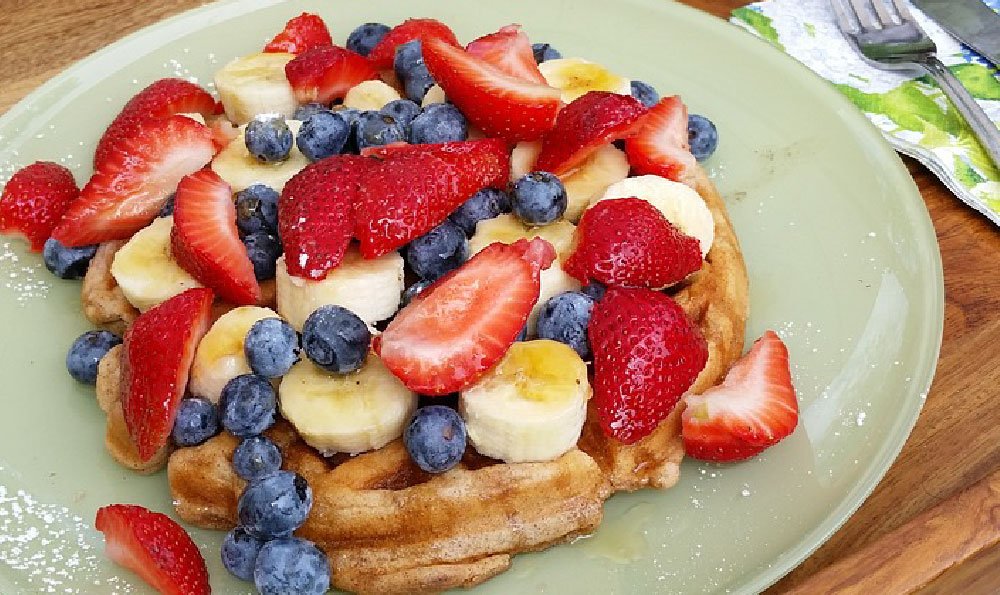
早餐是一天中最重要的一餐,对于预防脑梗尤为重要。合理搭配食物,既能提供营养,又能避免高热量和高脂肪的摄入。对于脑梗患者来说,推荐的早餐食物包括:全麦面包、蔬菜水果沙拉、低脂奶制品和富含欧米茄-3脂肪酸的食物等。这些食物富含纤维、维生素、矿物质和抗氧化剂,有助于降低胆固醇,促进血液循环,保护脑血管健康。
二、午餐
午餐是一天中的重要能量补充,也是脑梗患者保持精力和注意力的关键。在午餐中,脑梗患者应选择低盐、低脂、高纤维的食物。推荐的午餐食物包括:瘦肉、鱼类、豆类和海产品等。这些食物富含优质蛋白质、低脂肪和多种维生素矿物质,有助于维持饱腹感,提供持久能量,预防血液凝固和动脉硬化。
三、晚餐
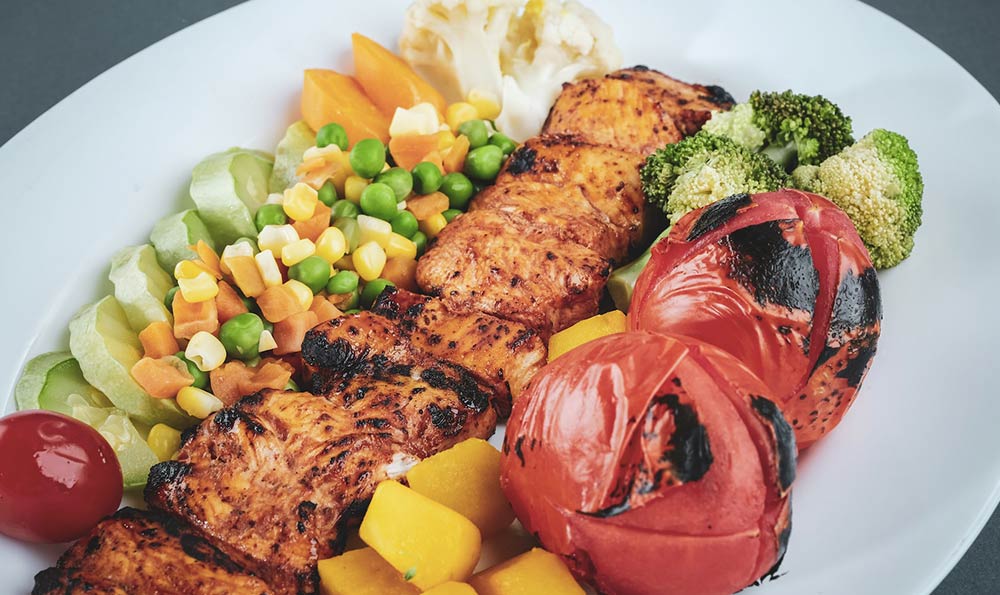
晚餐是一天中最后一餐,也是恢复机体功能和调整代谢的关键。晚餐的食物选择应以低脂、高纤维为主,尽量避免过多的油腻食物。推荐的晚餐食物包括:鸡胸肉、鱼肉、豆类和蔬菜等。这些食物富含蛋白质、膳食纤维和多种微量元素,有助于促进睡眠质量,降低胆固醇,控制体重和血压。
脑梗食谱大全一日三餐对于脑梗患者的康复至关重要。通过合理搭配食物,我们可以提供所需的营养,降低高脂肪和高热量的摄入,促进血液循环,保护脑血管健康。希望本文能为读者提供有益的信息,提醒大家重视脑梗预防与健康饮食。