
减肥是很多人都会选择的一种健康方式,但有时候在减肥的过程中会出现胸闷气短的情况,这给人们带来了不小的困扰。为什么减肥会导致胸闷气短呢?当出现气短胸闷时,我们又应该如何进行快速缓解呢?
减肥减的胸闷气短的原因可以归纳为两类:生理性原因和心理性原因。生理性原因主要是由于减肥过程中能量摄入减少,导致机体代谢紊乱,使得氧气供应不足;而心理性原因则是因为减肥引起的焦虑和紧张情绪,进而影响到呼吸系统的正常功能。针对这两类原因,我们可以采取相应的方法来解决问题。
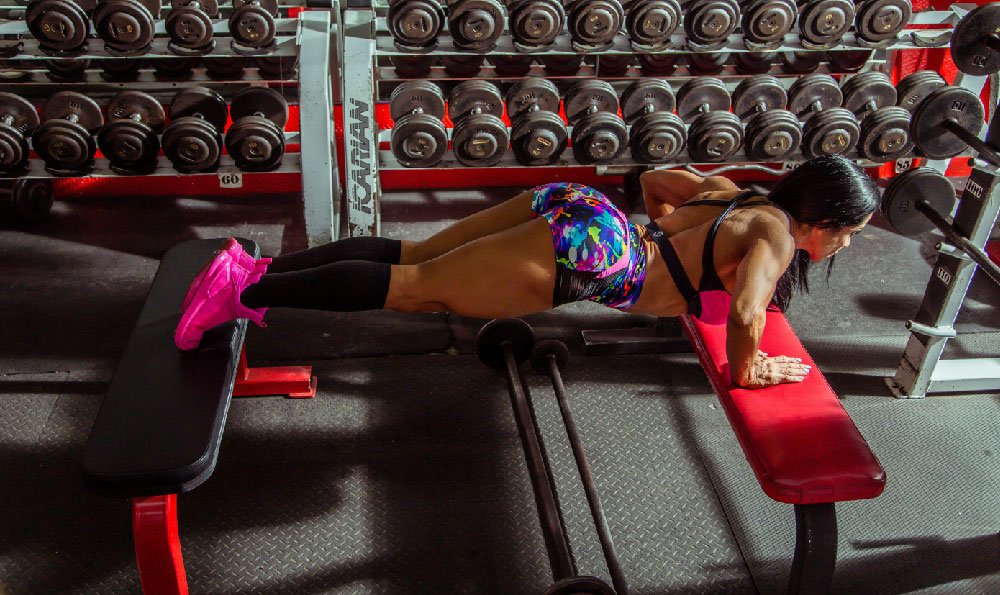
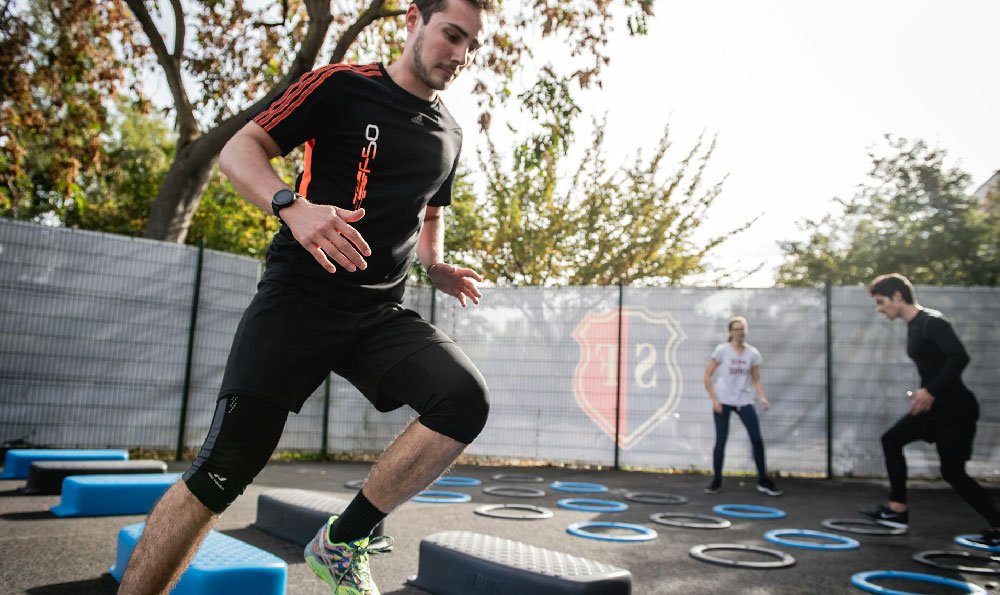
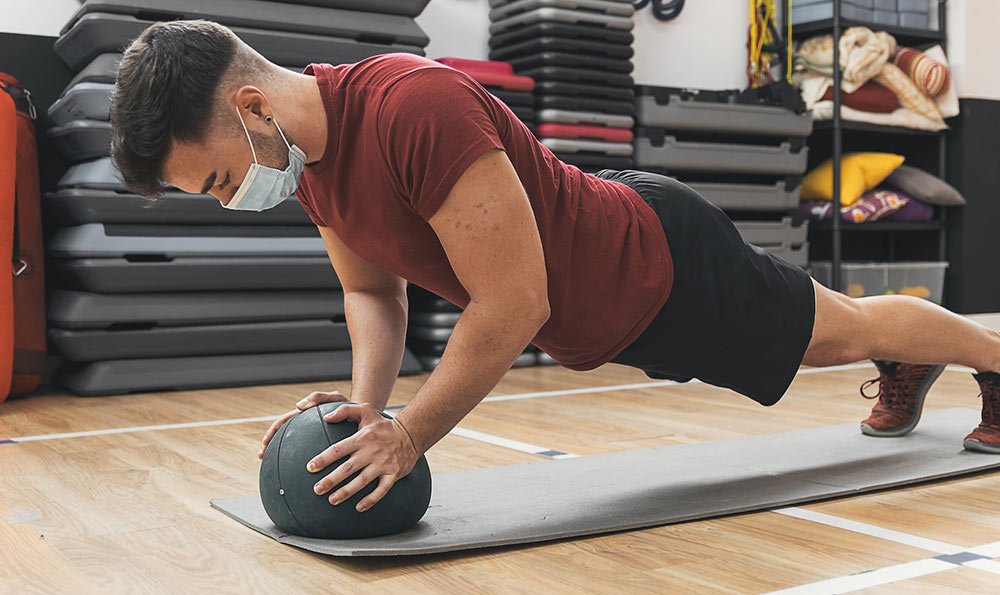
针对生理性原因,我们可以通过合理的饮食搭配来缓解胸闷气短。减肥过程中,我们应该保证摄入足够的蛋白质和维生素,同时控制碳水化合物和脂肪的摄入量,以保证身体的正常代谢和氧气供应。我们还可以通过适量的运动来提高心肺功能,增加肺活量,从而减轻气短的感觉。
针对心理性原因,我们可以通过放松心情来缓解胸闷气短。减肥过程中,人们往往会因为体重的波动、饮食的限制等原因而感到焦虑和紧张。此时,我们可以通过适当的放松活动,如听音乐、散步等,来舒缓压力,改善心理状态,从而减轻气短的症状。还可以通过学习正确认知和积极应对的方法来调整自己的心理状态,从而减少焦虑和紧张情绪。
当出现气短胸闷的情况时,我们可以采取一些快速缓解的方法。可以进行深呼吸练习,通过深吸气和缓慢呼气来恢复正常的呼吸节奏,从而减轻胸闷感;也可以通过按摩胸部和颈部,促进血液循环和气流畅通,缓解气短的症状。还可以找到一个舒适的姿势,如坐下或躺下,以减少胸腔的压迫,从而缓解气短。
减肥减的胸闷气短的问题是很多人在减肥过程中都会面临的,但通过合理的饮食搭配、放松心情以及快速缓解的方法,我们可以有效地缓解这种症状。在减肥的过程中,我们也要注意合理控制减肥的速度和方法,以避免出现胸闷气短等健康问题的发生。通过正确的减肥方式和科学的调节,我们可以健康地减肥,同时保持良好的呼吸功能和心理状态。
Reduced breath and chest tightness caused by weight loss: How to quickly alleviate breathlessness and chest tightness?
Introduction:
Weight loss is a popular health method chosen by many people. However, during the process of weight loss, some individuals may experience breathlessness and chest tightness, which can be quite distressing. So why does weight loss lead to these symptoms? And how can we quickly alleviate breathlessness and chest tightness when they occur?
Main Body:
The causes of reduced breath and chest tightness during weight loss can be classified into two categories: physiological reasons and psychological reasons. Physiological reasons mainly arise from the reduced energy intake during weight loss, which disrupts the body's metabolism and results in insufficient oxygen supply. On the other hand, psychological reasons are related to anxiety and tension caused by weight loss, which affect the normal function of the respiratory system. To address these two categories of causes, corresponding methods can be employed.
Firstly, for physiological reasons, we can alleviate breathlessness and chest tightness by maintaining a proper diet. During weight loss, it is important to ensure sufficient intake of protein and vitamins, while controlling the intake of carbohydrates and fats, in order to maintain normal metabolism and oxygen supply. Additionally, engaging in moderate exercise can improve cardiac and pulmonary function, increase lung capacity, and alleviate the sensation of breathlessness.
Secondly, for psychological reasons, relaxation techniques can be employed to alleviate breathlessness and chest tightness. Weight loss often induces anxiety and tension due to fluctuating weight and dietary restrictions. In such situations, engaging in activities that promote relaxation, such as listening to music or going for a walk, can help alleviate stress and improve psychological state, thereby reducing feelings of breathlessness. Furthermore, adopting a positive mindset through cognitive restructuring and adopting coping strategies can also improve psychological state, leading to less anxiety and tension.
Finally, when breathlessness and chest tightness occur, there are quick relief methods that can be applied. For example, deep breathing exercises can restore normal breathing rhythm by inhaling deeply and exhaling slowly, thus reducing the sensation of chest tightness. Massaging the chest and neck can also promote blood circulation and clear airways, alleviating breathlessness. Additionally, finding a comfortable position, such as sitting or lying down, can reduce pressure on the chest cavity and relieve breathlessness.
Conclusion:
Reduced breath and chest tightness during weight loss are common problems that many individuals face. However, by maintaining a proper diet, relaxing the mind, and applying quick relief methods, these symptoms can be effectively alleviated. It is important to note that during weight loss, it is necessary to control the speed and method to avoid health problems such as breathlessness and chest tightness. By adopting a correct weight loss approach and employing scientific adjustments, weight loss can be achieved in a healthy manner while maintaining good respiratory function and psychological state.
减肥后感觉有时候喘不上来气
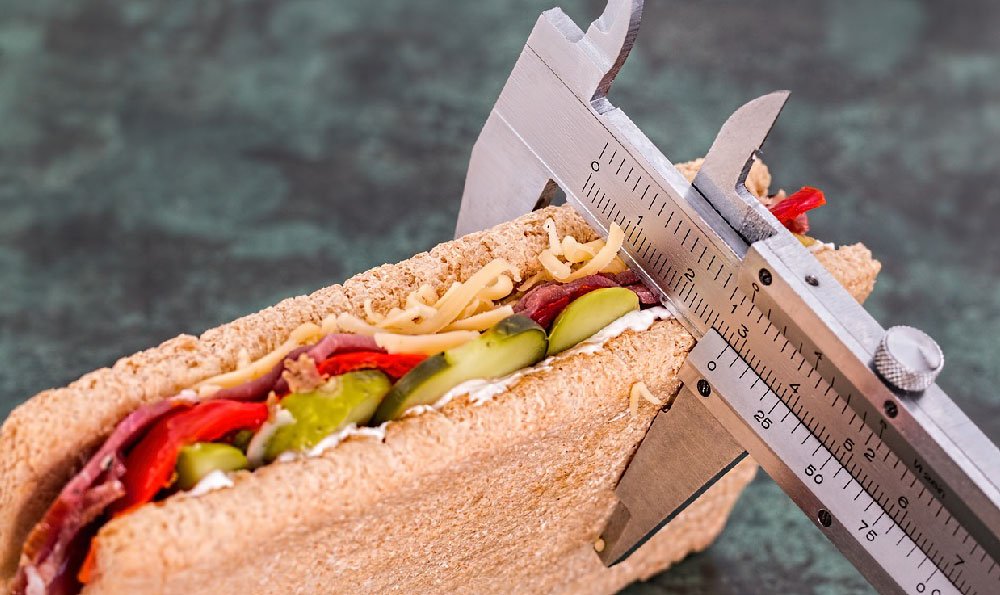
减肥是现代社会中广泛关注的话题,人们为了追求健康和理想的身材,积极进行减肥运动和饮食控制。一些人在成功减肥后却发现自己有时会感觉喘不上来气。这种现象究竟是怎么回事呢?本文将从客观、专业、清晰和系统的角度,通过定义、分类、举例和比较等方法,来阐述减肥后喘不上来气的相关知识。
一、定义喘不上来气:
喘不上来气,也称为呼吸困难,是指在运动或日常活动中,感到呼吸不畅或气短,无法顺畅地吸入足够的氧气。减肥后感觉喘不上来气,是指在减肥过程中或减肥成功后,出现呼吸困难的情况。
举例:减肥后运动时感觉喘不上来气是其中一种情况。
二、分类减肥后喘不上来气的原因:
1.体重减少导致身体适应性变化:
减肥成功后,身体的体重和构造都发生了变化,这可能影响到呼吸系统的正常功能。身体适应性变化会导致肌肉力量的减弱,肺活量的减少,从而导致感觉喘不上来气。
举例:体重减少后,膈肌和肺部的相互作用可能发生变化,导致呼吸困难。
2.运动强度增加引发的呼吸困难:
在减肥过程中,为了减少脂肪和增加肌肉,往往会进行高强度的运动。这种运动会增加身体对氧气的需求,导致呼吸困难。
举例:长时间高强度有氧运动,如慢跑或游泳,会增加呼吸负担,使人感觉喘不上来气。
3.心血管系统负荷增加导致的呼吸困难:
减肥过程中,体重的减少可以减轻心血管系统的负荷。一些人在减肥过程中可能过度追求快速减重,导致心脏不适应突然的负荷减轻,进而引发呼吸困难。
举例:快速减肥导致体重下降过快,心脏无法适应引发呼吸困难。
比较:与运动引起的呼吸困难相比,心血管负荷的增加导致的呼吸困难更加严重且持续。
通过对减肥后喘不上来气的相关知识的阐述,我们可以了解到喘不上来气的原因多种多样,涉及到体重减少、运动强度增加和心血管系统负荷等方面。了解这些原因有助于我们采取适当的措施来缓解呼吸困难。在进行减肥过程中,应当注意合理减重,避免过于激烈的运动,以及要根据个人情况灵活调整减肥计划,从而保证身体健康。
气短胸闷如何快速缓解
气短胸闷是一种常见的身体不适症状,给人带来不适和困扰。许多人对于如何快速缓解气短胸闷并不了解。本文将以客观、专业、清晰和系统的方式,通过定义、分类、举例和比较等方法,阐述气短胸闷的相关知识,帮助人们快速缓解这一不适症状。
气短胸闷是一种不适症状,常常伴随着呼吸困难、胸闷、无力等感觉。它可能由多种因素引起,如心脏病、肺病、焦虑、过度运动等。了解如何快速缓解气短胸闷对于提高生活质量和健康状况至关重要。下面将从不同方面介绍几种有效的缓解方法。
一、调整呼吸方式
呼吸是缓解气短胸闷的一种重要方法。通过深呼吸可以增加肺活量,提高氧气供给,从而缓解胸闷感。通过鼻子吸气、口腔呼气可以增加氧气的交换,减少二氧化碳的积累,从而改善气短的感觉。可以尝试练习腹式呼吸,即通过膈肌向下运动来吸气,缓解胸闷感。
二、改变姿势
改变身体姿势也是一种有效的缓解气短胸闷的方法。当出现气短胸闷时,可以尝试坐下或站立,保持身体的直立姿势。这样可以减轻胸腔和脊柱的压力,增加肺部容量,改善呼吸困难的感觉。如果有条件,可以尝试躺平或半躺着的姿势,以减少对胸腔的压迫,有助于呼吸畅通。
三、应对焦虑情绪
焦虑情绪是导致气短胸闷的一个常见原因。当人们感到紧张或恐惧时,呼吸往往变得急促,导致气短胸闷的感觉。应对焦虑情绪是缓解气短胸闷的重要环节。可以通过深呼吸、冥想、放松训练等方法来缓解焦虑,改善呼吸困难的感觉。
四、适度运动
适度运动是缓解气短胸闷的一种有效方式。适当的运动可以增强心肺功能,提高氧气供给,改善呼吸困难的感觉。可以选择适合自己的运动方式,如散步、慢跑、游泳等,每天坚持一定的运动时间,以加强心肺功能,并缓解气短胸闷症状。
快速缓解气短胸闷是提高生活质量和健康状况的关键。通过调整呼吸方式、改变姿势、应对焦虑情绪和适度运动等方法,可以有效地缓解气短胸闷的不适感,并提高呼吸质量。希望本文介绍的方法能对您有所帮助,使您更好地应对气短胸闷的困扰。