在减肥的过程中,很多人都面临一个共同的问题,那就是晚饭后还想吃东西。这种情况究竟是正常的生理反应还是病态的表现呢?本文将以客观、中立、准确的方式探讨这一话题,引用观点和数据,帮助读者更好地理解这一现象。
【夜晚的食欲】
晚饭后产生食欲的现象,并非只有少数人经历。数据显示,超过80%的人在晚饭后会产生一定程度的饥饿感。这是因为在白天的工作和活动中,身体消耗了大量的能量,晚餐后的饥饿感是身体向我们发出的正常信号。并不是每个人都需要晚上进食,但想吃东西并不意味着身体有病态问题。
【饮食结构的影响】
晚上是否想吃东西与日常的饮食结构也有一定的关系。长期不吃早餐或午餐不吃饱的人,更容易在晚上产生食欲。因为身体内的血糖水平下降,会提醒我们进食以获得能量。高盐、高脂肪和高糖的饮食结构也会刺激食欲,导致晚饭后还想吃东西。
【情绪和环境的影响】
情绪和环境也会对晚饭后的食欲产生影响。工作压力大、情绪低落的人更倾向于找食物来舒缓情绪。家里放着美食、电视中播放着美食广告等环境因素也会增加晚饭后进食的欲望。
【生理和心理的平衡】
晚饭后想吃东西的情况需要我们去平衡生理和心理的需求。如果长期晚饭后进食过多,不仅会影响减肥计划,还可能加重身体负担。我们可以通过调整饮食结构、控制食量以及培养良好的情绪和环境习惯来达到平衡的目标。
【专家建议】
专家表示,如果晚饭后产生食欲是暂时的、不频繁的,那么并无大碍。但如果频繁出现、持续时间长且明显影响正常生活,那可能需要寻求医疗帮助。专家建议,可以通过咨询心理医生或进行相关检查来了解是否存在潜在的心理或生理问题。
【结论】
晚饭后还想吃东西并不一定是病态的表现,更多是身体的正常反应和需求。我们应该通过合理的饮食结构和调整环境、情绪来达到身心健康的平衡。在减肥过程中,理解自己的身体需求,并与专业人士交流,是更好地掌控自己减肥计划的关键。
【总结】
晚饭后还想吃东西,并非是病态的表现,而是身体在向我们传递正常的饥饿信号。通过了解饮食结构、情绪和环境等因素的影响并采取相应的措施,我们可以更好地管理晚饭后的食欲,保持身体的健康和减肥计划的顺利进行。
What Do You Want to Eat for Dinner
Part 1: The Importance of Dinner Choices

Dinner is an essential meal of the day, and it plays a crucial role in our overall health and well-being. The food we consume during dinner provides us with the necessary nutrients and energy to replenish our bodies after a long day. Therefore, it is important to carefully consider our dinner choices. So, what do you want to eat for dinner?
Part 2: The Diversity of Cuisine Options
The world is filled with a myriad of delicious cuisines, each with its own unique flavors and ingredients. From Chinese to Italian, Mexican to Indian, the possibilities are endless. Whether you prefer a spicy Sichuan dish or a comforting bowl of pasta, the choice is yours. The rich diversity of cuisine options allows us to explore different flavors and expand our culinary horizons.
Part 3: Health-Conscious Dinner Choices
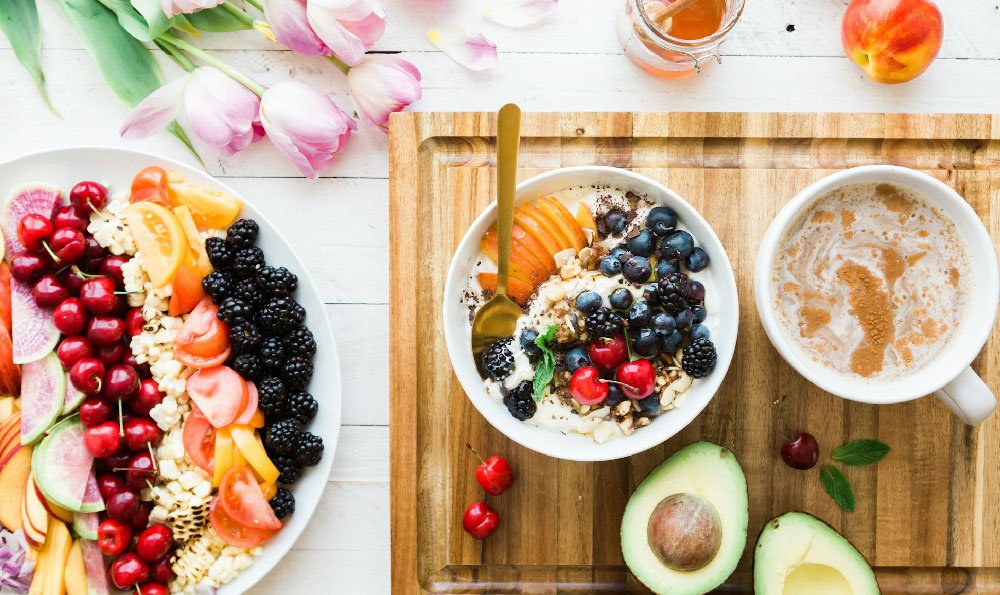
In recent years, there has been a growing trend of individuals adopting healthier lifestyles. As a result, many people are more conscious of their dinner choices and opt for nutritious meals. Salads, grilled vegetables, lean proteins, and whole grains are all popular options for those seeking a healthy dinner. By making informed choices, we can ensure that our dinner not only satisfies our taste buds but also nourishes our bodies.
Part 4: The Convenience of Takeout and Delivery
With the fast-paced nature of modern life, many individuals find it challenging to prepare dinner from scratch. This has led to the rise of takeout and delivery services, offering a wide range of cuisines at our fingertips. From the comfort of our homes, we can order anything from pizza to sushi, satisfying our cravings without the hassle of cooking. The convenience and variety of takeout options make it an attractive choice for many.
Part 5: Family and Cultural Traditions
For some, dinner is not just about satisfying hunger but also about honoring family and cultural traditions. Whether it's a Sunday roast, a traditional Chinese hot pot, or a Thanksgiving feast, these meals hold deep significance and bring people together. The act of preparing and sharing a meal with loved ones fosters bonds and creates lasting memories. Therefore, for many, the question of what to eat for dinner is tied to the preservation of their heritage.
In conclusion, dinner choices play a significant role in our lives. From exploring diverse cuisines to making health-conscious decisions, and honoring traditions, the options are endless. So, when contemplating the question of what to eat for dinner, consider not only your preferences but also the impact it has on your overall well-being.
晚饭后还想吃东西是病吗?
**引言**
晚饭后还想吃东西是一种常见的现象,很多人在晚饭结束后仍然感到饥饿。这种情况引发了一些有关健康问题的讨论。究竟晚饭后还想吃东西是病吗?本文将从多个角度探讨这一话题。
**生理反应**
人体的生理机制对于晚饭后还想吃东西有一定的解释。消化过程需要时间,一顿晚饭的消化通常需要几个小时。在这段时间内,身体会释放一些化学物质,例如胃酸和胰岛素,以帮助消化和吸收食物。这些物质的作用可能会导致饥饿感。
**心理因素**
除了生理因素外,心理因素也可能影响晚饭后的食欲。晚饭是一天中最后一顿正餐,人们常常会觉得晚上是个放松的时间段,因此会有更多的欲望来享受食物。一些人将吃东西与情绪相关联,他们在情绪低落或压力大的时候更容易产生食欲。
**饮食结构**
晚饭后还想吃东西还可能与饮食结构有关。如果一顿晚饭缺乏足够的蛋白质、膳食纤维和健康脂肪,身体会感到不满足,导致晚饭后的饥饿感。一些高糖和高脂肪的食物容易消化,这也会导致更快的胃排空和饥饿感。
**饮食习惯**
个人的饮食习惯也可能影响晚饭后的食欲。一些人可能习惯于在晚饭后吃点心或零食,这样容易形成习惯性的饥饿感。如果人们通常吃得过饱或吃得不规律,身体就会调整自己的饥饿信号,导致晚饭后的食欲增加。
**应对方法**
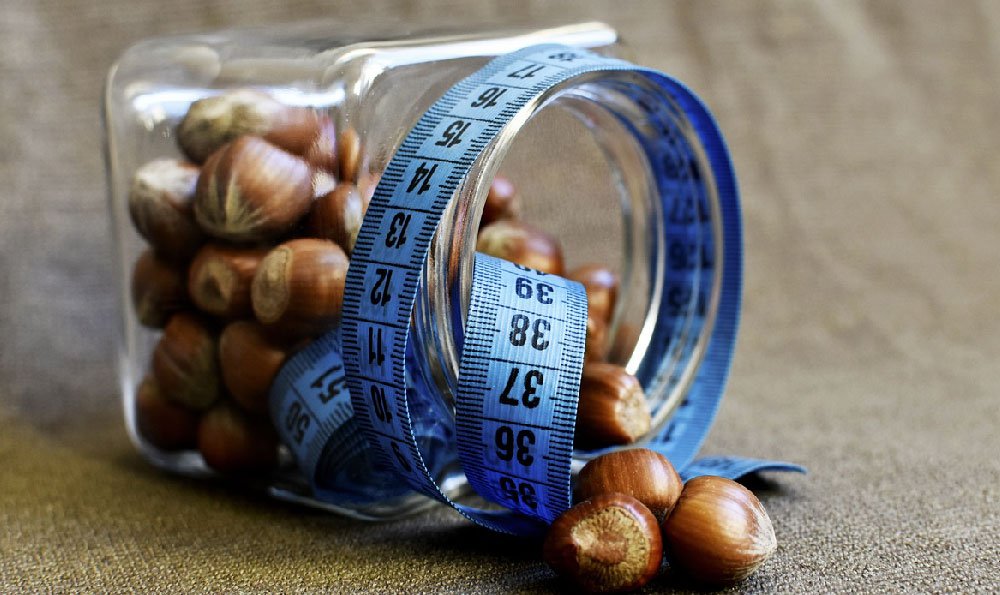
对于晚饭后还想吃东西的问题,有一些方法可以尝试。要确保晚饭是均衡营养的,含有足够的蛋白质、膳食纤维和健康脂肪。这样可以帮助身体感到满足,减少晚饭后的饥饿感。可以尝试规律的饮食时间表,以便身体适应固定的进食时间。可以选择一些低热量的零食,例如水果或坚果,以满足一些食欲但不增加额外的热量。
**结论**
晚饭后还想吃东西通常并不是一种病,而是一种正常的生理和心理反应。如果这种情况严重影响了正常的饮食或身体健康,建议咨询医生或营养师的建议,以找到更合适的解决方案。最重要的是要保持合理的饮食结构和良好的饮食习惯,以保持身体健康和适当的食欲。