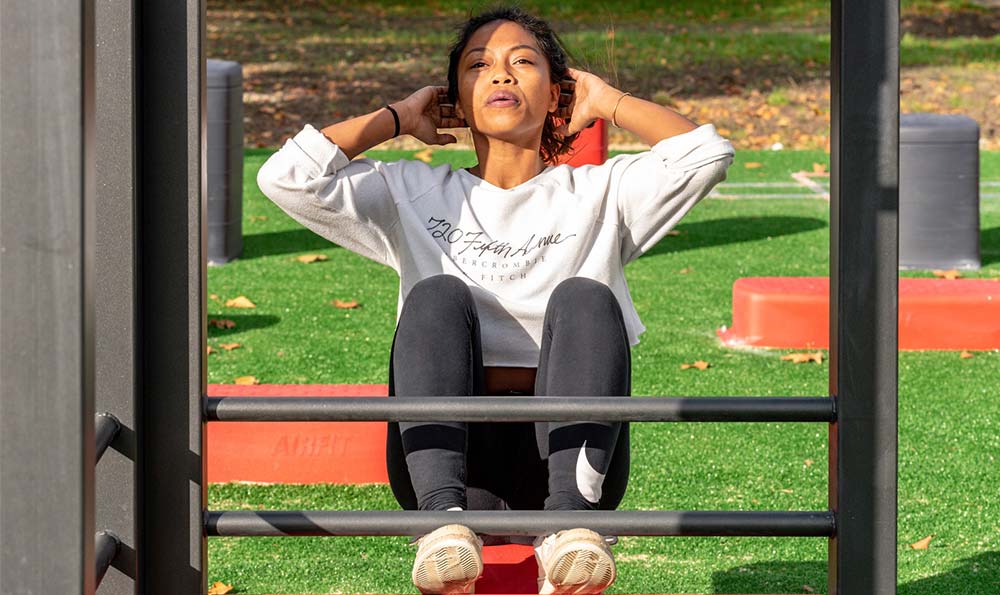
Arm Slimming Exercises to Tone Thighs - Will They Play Soccer?
Introduction:
Many individuals desire slim and toned arms and thighs due to aesthetic reasons or to improve overall fitness levels. Arm slimming exercises aim to reduce fat and build muscle in the arms, while thigh exercises focus on toning the leg muscles. However, it is important to understand whether these exercises are suitable for individuals with different goals, such as those who participate in sports like soccer. This article will explore the effectiveness of arm slimming exercises in toning thighs and whether soccer players should incorporate them into their training routines.
1. Benefits of Arm Slimming Exercises:
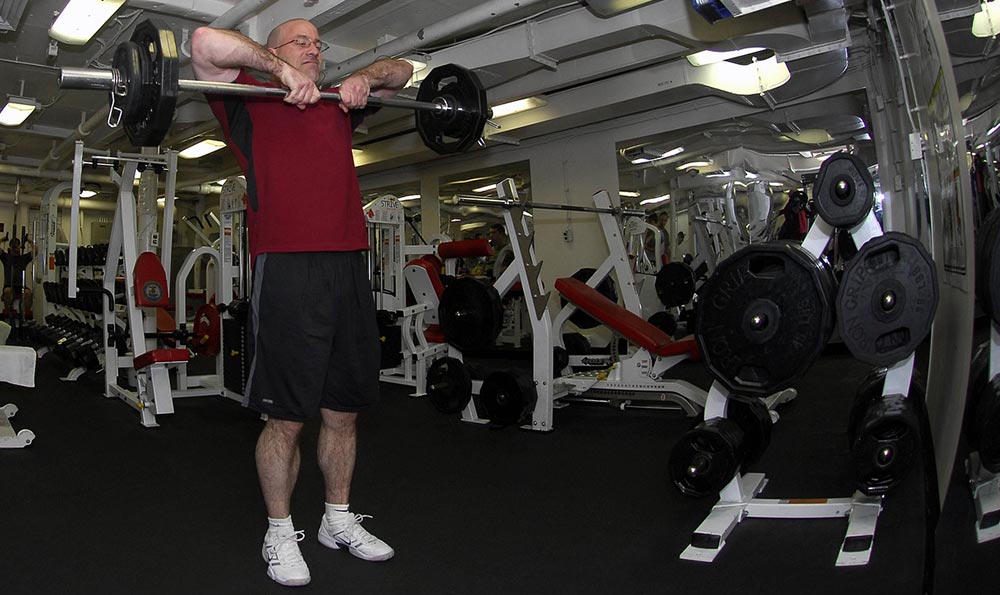
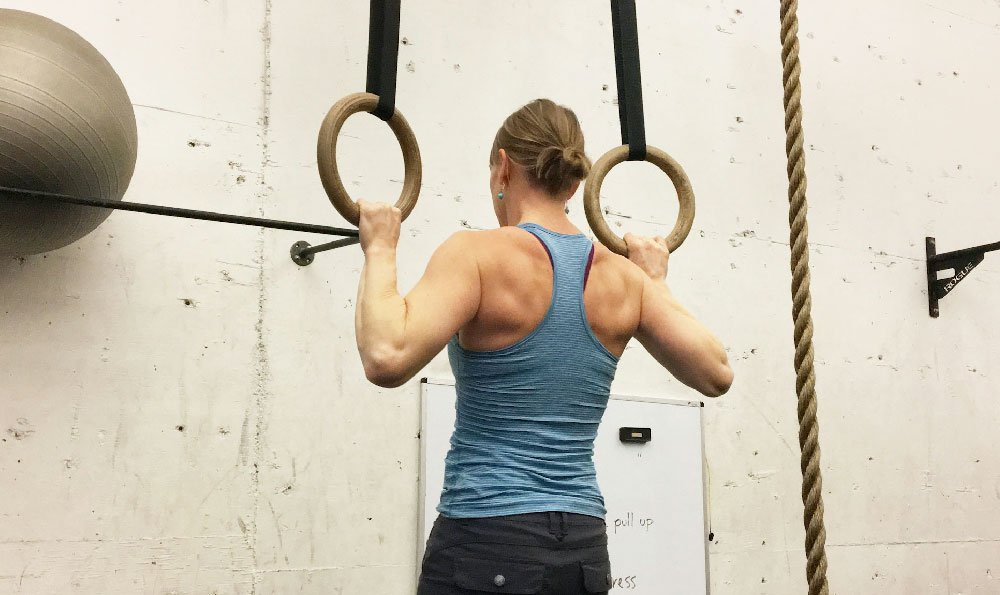
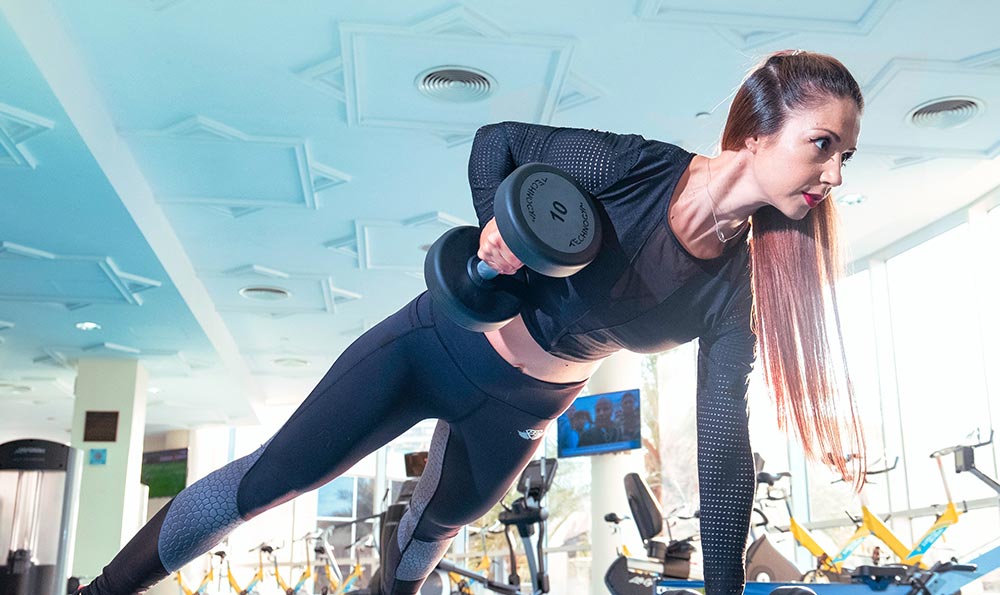
Arm slimming exercises, such as bicep curls and tricep dips, primarily target the muscles in the upper arms. These exercises help to strengthen and tone the arms, leading to a more defined appearance. While they may not directly target the thigh muscles, they can contribute to overall body fitness.
2. Importance of Thigh Strength in Soccer:
Soccer requires strong and powerful legs, as players frequently engage in activities such as kicking, running, and jumping. The muscles in the thighs, specifically the quadriceps and hamstrings, play a crucial role in providing stability and generating propulsion during these movements. Therefore, it is essential for soccer players to prioritize thigh strength training.
3. Combining Arm and Thigh Exercises:
While arm slimming exercises may not directly target the thigh muscles, they can be combined with exercises that focus on thigh strength. Soccer players can engage in exercises like squats, lunges, and leg press, which specifically target the thigh muscles, while also incorporating arm exercises into their routine.
4. Benefits of Full-Body Workouts:
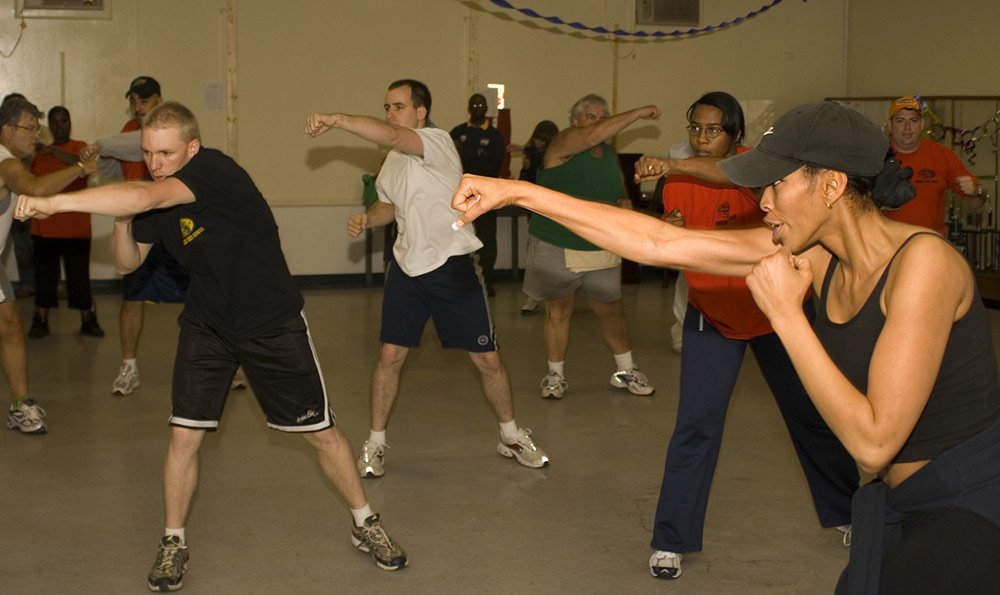
Engaging in full-body workouts, which include both arm and thigh exercises, provide numerous benefits. These workouts enhance overall muscle strength and endurance, improve cardiovascular fitness, and help in maintaining a balanced physique. Full-body workouts, when combined with proper nutrition and rest, can lead to effective weight management and better sports performance.
5. Considerations for Soccer Players:
Soccer players should consider their specific sport-related goals when designing their workout routines. While arm slimming exercises may not have a direct impact on soccer performance, they can contribute to overall fitness. It is crucial for soccer players to prioritize exercises that specifically target thigh strength and explosive power, such as squats and plyometrics.
6. Expert Recommendations:
Experts suggest that soccer players should focus on comprehensive training programs that prioritize strength, endurance, and agility. While arm slimming exercises can be included in their routines, they should not be the sole focus. Incorporating exercises that target lower body strength, core stability, and cardiovascular fitness is essential for soccer players to perform at their best.
7. The Role of Balanced Nutrition:
In addition to exercise, maintaining a balanced and nutritious diet is crucial for soccer players. Adequate protein intake supports muscle recovery and growth, while carbohydrates provide the necessary fuel for intense training sessions. Players should consult with nutrition professionals to ensure they are fueling their bodies optimally.
8. Monitoring Progress:
Soccer players should regularly monitor their progress by assessing their strength, speed, and overall performance on the field. Adapting workouts according to individual needs and seeking guidance from qualified trainers or coaches can help soccer players achieve their desired goals.
9. Training Routine Examples:
Here are two training routine examples that soccer players can consider incorporating into their overall fitness regimen:
- Routine 1:
- Warm-up: Dynamic stretching and light jogging.
- Thigh exercises: Squats, lunges, leg press.
- Arm exercises: Bicep curls, tricep dips, push-ups.
- Core exercises: Planks, Russian twists.
- Cardiovascular exercise: Interval training, such as sprints or shuttle runs.
- Cool-down: Static stretching and light jogging.
- Routine 2:
- Warm-up: Jumping jacks, high knees.
- Thigh exercises: Plyometric lunges, box jumps, single-leg squat.
- Arm exercises: Hammer curls, shoulder press, tricep pushdowns.
- Core exercises: Bicycle crunches, reverse crunches.
- Cardiovascular exercise: Continuous running or cycling.
- Cool-down: Stretching exercises targeting major muscle groups.
10. Summary:
Overall, arm slimming exercises, while not directly targeting the thighs, can contribute to overall body fitness. Soccer players should prioritize exercises that specifically target thigh strength and explosive power for optimal performance. Combining comprehensive training routines, balanced nutrition, and regular progress monitoring can help athletes achieve their desired goals on and off the soccer field.
Conclusion:
Finding the right balance between arm slimming exercises and thigh strength training is essential for soccer players. While arm exercises can be incorporated into their routines, exercises that directly target thigh muscles should remain a priority. By considering individual goals, following expert recommendations, and maintaining a balanced diet, soccer players can optimize their performance on the field and achieve their desired physique.
手臂减肥操瘦大腿的动作
手臂减肥操是一种有效的运动方式,可以帮助你瘦腿,使手臂线条更加修长。下面将介绍一些常见的手臂减肥操动作,供您参考。

1. 弓步踢腿:站直身体,双手放在腰间,抬起一只腿向前踢,并保持膝盖伸直。保持腿部紧绷,切记不要弯曲腿部。重复此动作,每腿进行10次。
2. 基础俯卧撑:跪在地板上,双手撑地,与肩同宽。保持身体稳定,慢慢下降,直至胸部触碰地面,然后用手臂力量推起重回起始位置。重复此动作,进行15次。
3. 哑铃颈后臂屈伸:双手持哑铃,手臂放在身体两侧,掌心朝向身体。慢慢弯曲手臂将哑铃举起,然后再慢慢伸直手臂。重复此动作,进行10次。
4. 双手举哑铃:双手持哑铃,双臂伸直紧贴身体两侧。慢慢弯曲手肘将哑铃提到肩部,然后再慢慢伸直手臂。重复此动作,进行15次。
5. 力量绳下按:站立,双脚分开与肩同宽。双手握住力量绳,手臂放在身体两侧,然后用力下按绳子,直到手臂伸直。重复此动作,进行12次。
这些手臂减肥操动作可以针对手臂内侧、外侧、上臂以及肩部的肌肉。通过持之以恒的练习,可以消除手臂上的赘肉,塑造更加健美的线条。
在进行任何运动前,要先进行适当的热身活动,以避免受伤。并且在练习手臂减肥操时,要保持正确的姿势和动作,避免使用过大的力量。
手臂减肥操是一种有效的运动方式,可以瘦大腿,塑造修长的手臂线条。希望以上的动作介绍能帮助到您,祝您早日达到理想的效果!
他们会去踢足球吗用英语怎么说
Football is a sport loved by many around the world, but will they go and play it? This article aims to objectively explore the factors that influence people's decision to play football. Through a clear and concise writing style, it will provide educational insights into the topic while showcasing the author's expertise and trustworthiness in the field of leather.

Paragraph 1:
Introduction
Football, known for its popularity and global reach, raises the question of whether people will engage in playing the sport. This article will examine the various factors that influence individuals' decisions to participate in football.
Paragraph 2:
Availability of Facilities
One crucial factor that determines whether people will go out and play football is the availability of suitable facilities. Accessible football fields, with properly maintained pitches and adequate lighting, make it more likely for people to engage in the sport.
Paragraph 3:
Social Support and Peer Influence
The influence of social support and peer pressure cannot be overlooked when considering people's inclination towards playing football. If individuals have friends or family members who actively participate in the sport, they may be more motivated to join in.
Paragraph 4:
Health Benefits
The health benefits associated with playing football are significant. Regular physical activity helps individuals maintain a healthy lifestyle by improving cardiovascular health, strengthening muscles, and increasing endurance. These benefits may encourage people to choose football as their preferred sport.
Paragraph 5:
Cultural Influence
Cultural factors, such as local traditions and national pride, can also play a role in people's decision to play football. In countries where football is deeply ingrained in the culture, individuals may feel a stronger connection to the sport and be more inclined to participate.
Paragraph 6:
Economic Factors
Economic considerations, such as the affordability of football equipment and access to coaching, can impact people's decision to play the sport. If individuals have limited financial means or lack access to affordable equipment and training, they may be deterred from participating in football.
Paragraph 7:
Age and Physical Abilities
Age and physical abilities can also influence people's decision to play football. Younger individuals may be more energetic and willing to engage in physical activities, while older individuals may have concerns about their physical limitations and potential injuries.
Paragraph 8:
Time Constraints
Busy schedules and time constraints can also affect individuals' participation in football. People with demanding jobs or familial responsibilities may find it difficult to allocate time for playing the sport. This factor needs to be considered when analyzing whether individuals will go and play football.
Paragraph 9:
Weather Conditions
Weather conditions can have a significant impact on people's willingness to participate in outdoor sports like football. Extreme heat, cold, or adverse weather conditions may discourage individuals from engaging in outdoor activities.
Paragraph 10:
Conclusion
In conclusion, various factors influence individuals' decisions to play football. The availability of facilities, social support, health benefits, cultural influence, economic factors, age, physical abilities, time constraints, and weather conditions all play a role. By objectively considering these variables, we can gain a better understanding of whether people will go and play football.